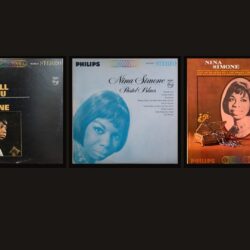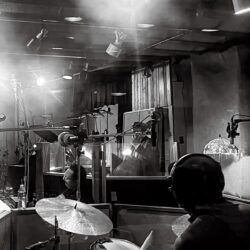


Bossa nova arrived in the United States as an import, and for a few years in the early sixties it was everywhere — on television, in elevators, on the radio between pop singles. The records that did that work were mostly made by Americans, or by Brazilians working with Americans, in studios in New York.
Then there is the other version of the same music: the composers and singers who wrote it, recording it in their own language and their own time.
On Tuesday, August 25 and Wednesday, August 26 we are playing both. One night each. Doors at 5:30 with bossa nova on all evening, and the featured records start at 7. Free and open to anyone who wanders in. It is a listening series, so there is no band and no DJ — just the records, in order, on a system built to play them.
One arranger, forty-six years apart
Here is the detail that made this program cohere. Claus Ogerman — a German arranger who became one of the architects of how bossa nova sounded to American ears — wrote the orchestral arrangements for The Composer of Desafinado, Plays, Jobim’s first American album as a leader, in 1963.
He also wrote them for Quiet Nights, recorded in 2009. Not reused charts: Ogerman was alive and working, and he conducted the orchestra himself at Capitol Studios. The arrangement of the title track won a Grammy the following year.
The Crossover
The records that carried bossa nova into American living rooms.
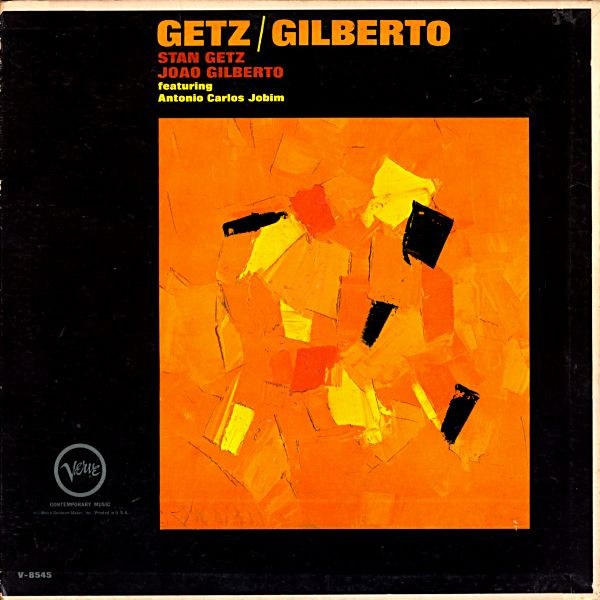
The record that did it. Recorded over two days in March 1963 at A&R Studios in New York, produced by Creed Taylor and engineered by Phil Ramone. It won Album of the Year at the 1965 Grammys, and “The Girl from Ipanema” won Record of the Year — the vocal sung by Astrud Gilberto, who was not a professional singer and was at the session because she was married to João. She was not credited by name on the original jacket. Several people later claimed credit for the idea of putting her on the record, and her own account of it does not match theirs.
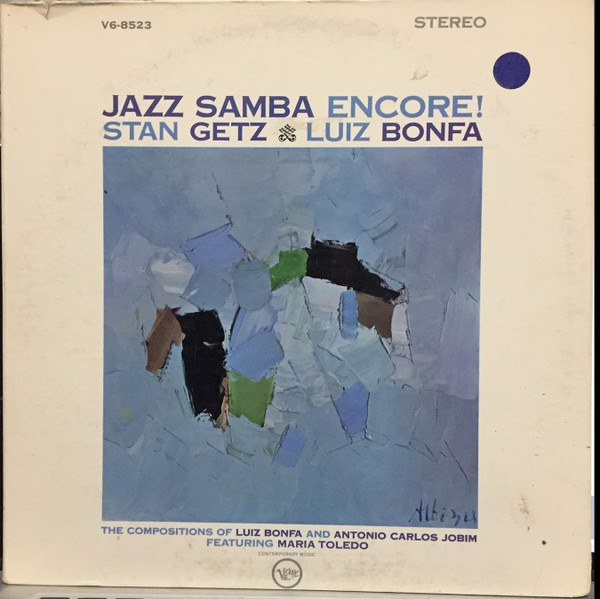
The follow-up to the 1962 record that started the run, this time pairing Stan Getz with the Brazilian guitarist and composer Luiz Bonfá rather than Charlie Byrd. Jobim plays on it too. Less of a commercial phenomenon than what came after, and a warmer record for it.
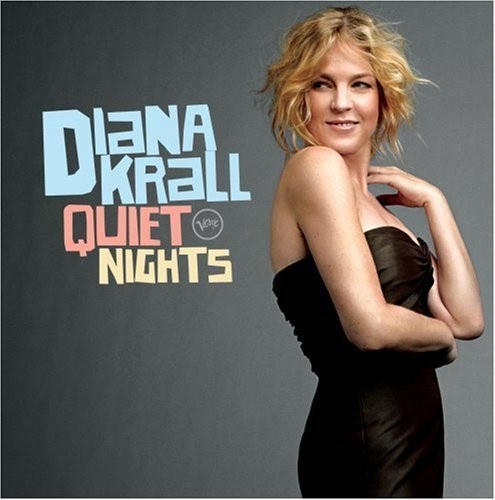
The modern one, and deliberately so. Krall’s bossa record, recorded at Capitol with a full orchestra. It sits here rather than on night two because it belongs to the same lineage as the Getz sides — a North American singer reaching for this music — and because of who wrote the strings.
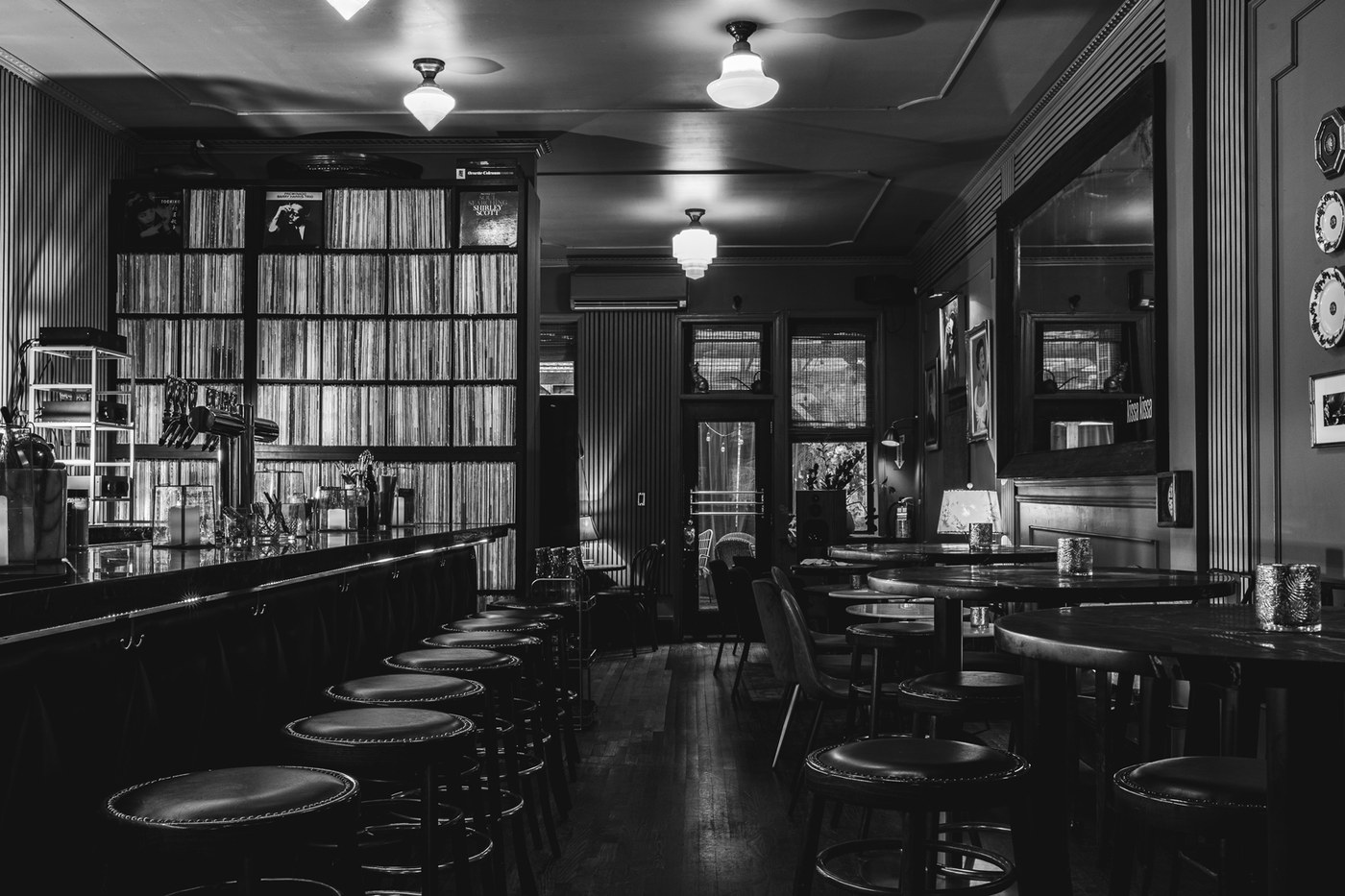
Brazil in Its Own Voice
The same music, made by the people who wrote it.
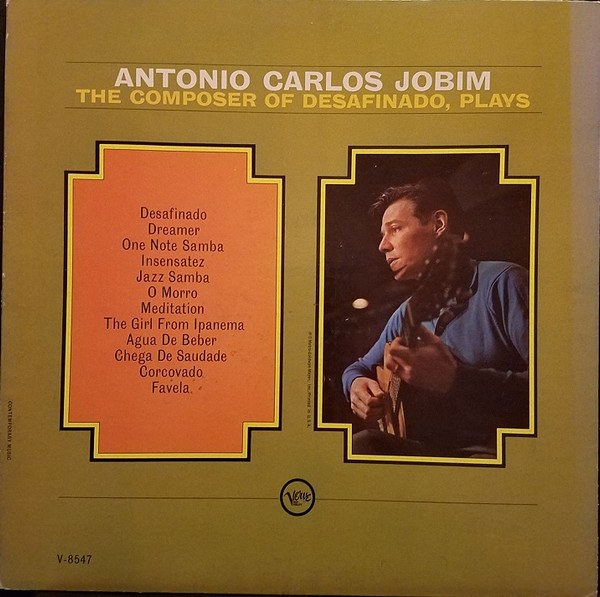
Antônio Carlos Jobim‘s first American album under his own name, recorded in May 1963 — instrumental readings of his own songbook, including “Desafinado,” “Corcovado” and “One Note Samba.” Ogerman arranged and conducted. It began a working relationship between the two men that lasted decades.
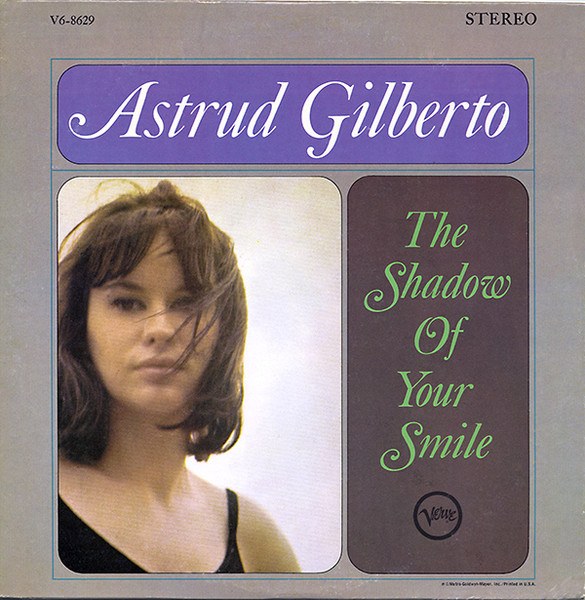
Her first album billed as a leader, after the Getz/Gilberto breakout made her famous. The arranging is split between Ogerman, Don Sebesky and João Donato, which tells you something about how carefully Verve was building her records.
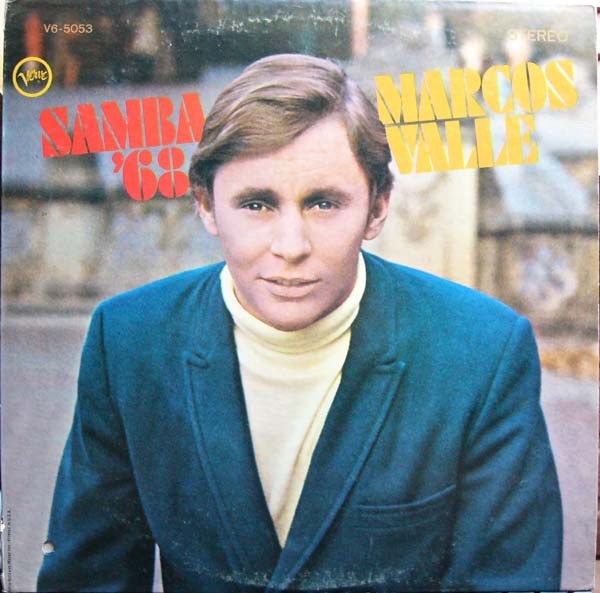
The youngest voice on either night. Marcos Valle was in his mid-twenties, writing songs that were already being covered around the world, and this was the album that introduced him to an English-speaking audience. It closes night two.
Where the name comes from
Marcos Valle wrote “Samba de Verão” in 1964, with Portuguese words by his brother Paulo Sérgio Valle. Norman Gimbel wrote the English lyric, and it became “So Nice (Summer Samba)”. It has been recorded many times over — the version most Americans would recognize is Walter Wanderley’s organ instrumental from 1966 — but Valle sings his own on Samba ’68, which is what you will hear on night two.
That is where the series takes its name, and the cocktail with it.
So Nice
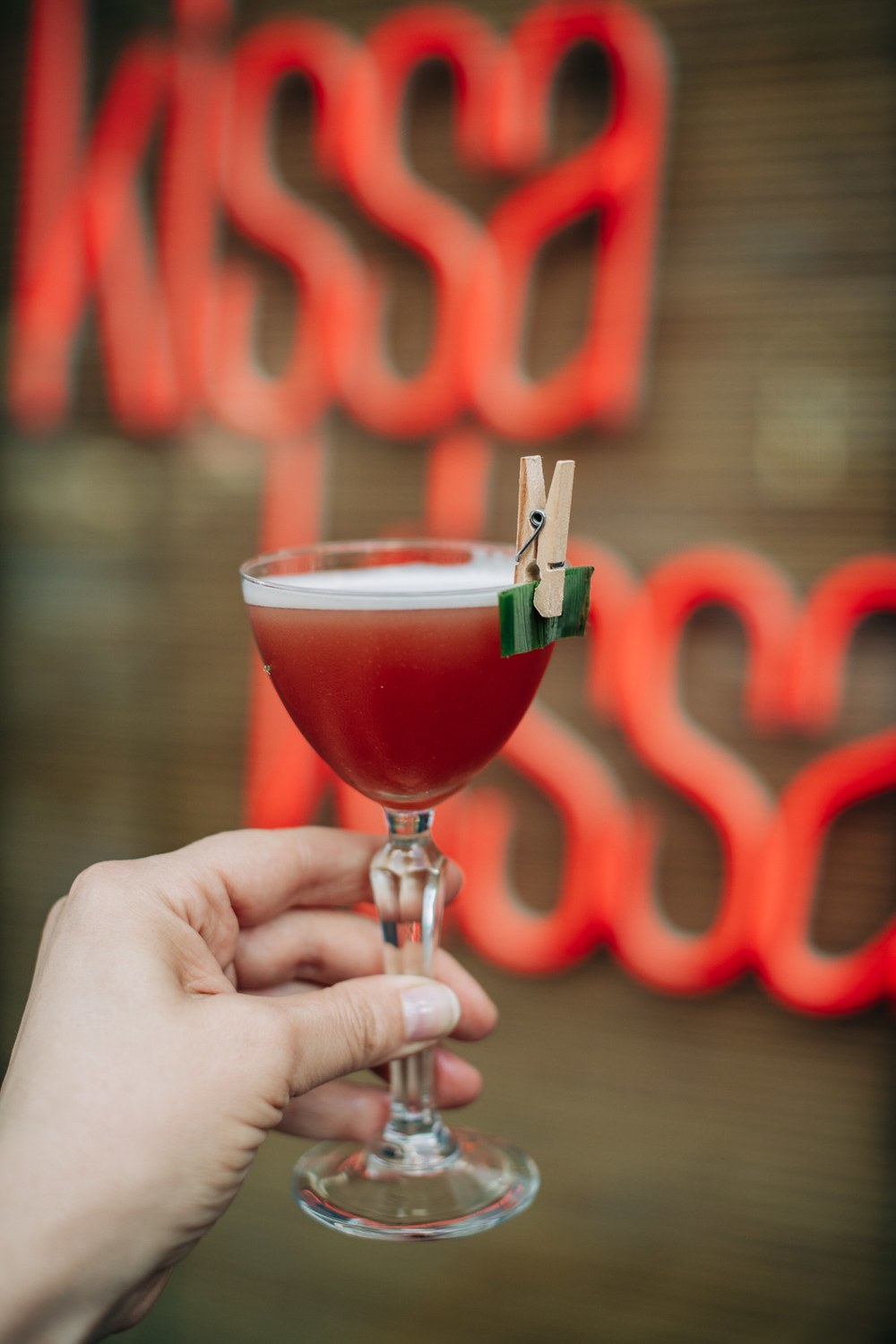
Our globetrotting pisco punch — pandan-infused pisco, barley shochu, Lillet Rouge, pineapple gum, lemon and pandan syrup. It is poured both evenings.
The drink takes its name from the song the series takes its name from, and that song travelled about as far as this glass does. What carried it into American ears was Walter Wanderley’s organ instrumental, cut for Verve in 1966 on Rain Forest and produced by Creed Taylor, who had produced Getz/Gilberto two years earlier. It reached No. 3 on Billboard’s easy listening chart and No. 26 on the Hot 100. Not bad for a samba written in Rio.
Both nights, doors at 5:30
Tuesday, August 25 and Wednesday, August 26. Doors at 5:30, with bossa nova playing all night and the featured records starting at 7. Free and open to the public, no cover and no ticket. Walk in, or reserve a table for night one or night two.
Presented with Verve Records. If this is your speed, our Verve Mondays series runs every week.
Come listen
667 Franklin Avenue · Crown Heights, Brooklyn
No cover. No reservations required but always encouraged.