

In June 1963, Medgar Evers was shot in his driveway in Jackson, Mississippi. Three months later a bomb went off in a church basement in Birmingham, Alabama, and four girls were killed. Nina Simone sat down and wrote “Mississippi Goddam” in under an hour. She later described the moment it arrived as “a rush of fury, hatred, and determination.”
The story usually told about Simone is that she found her voice when she left Colpix for Philips in 1964. That is not quite what happened. Colpix had already given her control over what she recorded. What changed was not her freedom — it was what she decided to do with it. Starting in 1964, she pointed everything she had at the country she was living in.
Over the next three years she made seven albums for Philips. On Tuesday, August 11 and Wednesday, August 12, we are playing all seven of them, front to back, on the house system.
Seven albums, one box
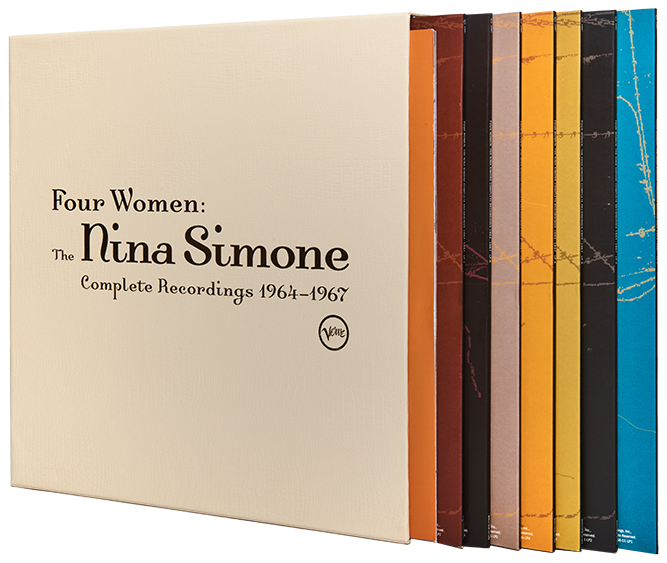
Four Women: The Nina Simone Complete Recordings, 1964-1967 collects the entire Philips run in one place — seven LPs, newly remastered and cut from the original analog tapes, with an eighteen-page booklet and liner notes by the music historian Ashley Kahn.
The Philips years, 1964–65
The first evening moves through the four records she made as the writing turned outward.
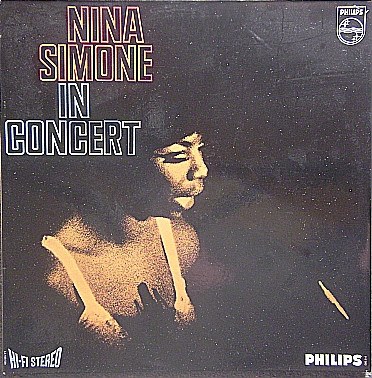
Recorded at Carnegie Hall in March 1964, and the first place “Mississippi Goddam” appears on record. She introduces it to the audience as a show tune, the room laughs, and then she sings it and the laughing stops. Southern radio would not touch it. Promotional copies sent to stations below the Mason-Dixon line came back to the label snapped in half.
“This is a show tune, but the show hasn’t been written for it yet.”Nina Simone, introducing “Mississippi Goddam” on the record
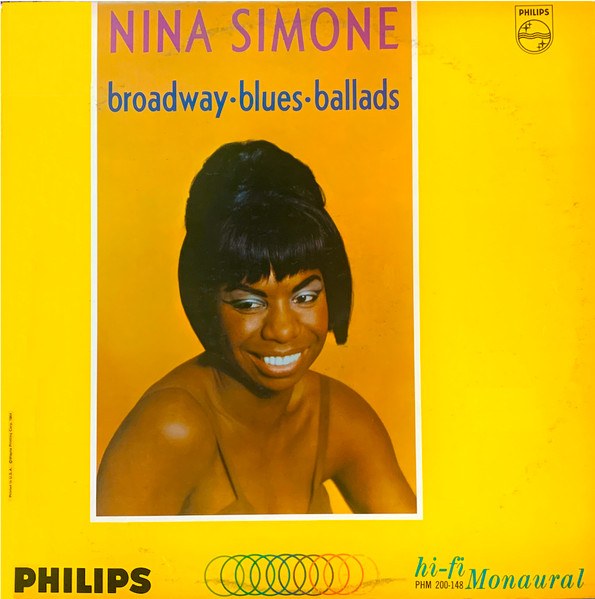
Looser and more eclectic, and the home of her original “Don’t Let Me Be Misunderstood” — a song most people know through the Animals’ cover, recorded within a year of hers.
“…the great “SeeLine Woman,” a percolating call-and-response number that ranks as one of her best tracks.”Richie Unterberger, AllMusic
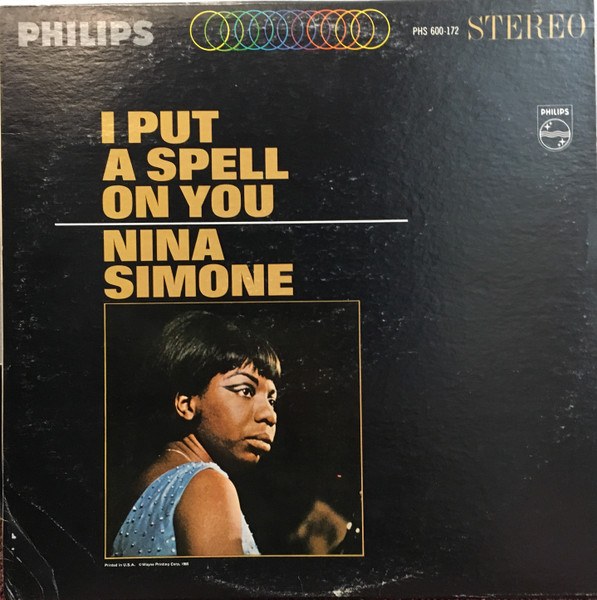
Her most commercially successful record for the label, built on large-band orchestration, and holding both “Feeling Good” and a reading of Jacques Brel’s “Ne Me Quitte Pas” that she sings in French. The title track’s phrasing, per AllMusic, gave the Beatles the idea for the bridge of “Michelle.”
“One of her most pop-oriented albums, but also one of her best and most consistent.”Richie Unterberger, AllMusic
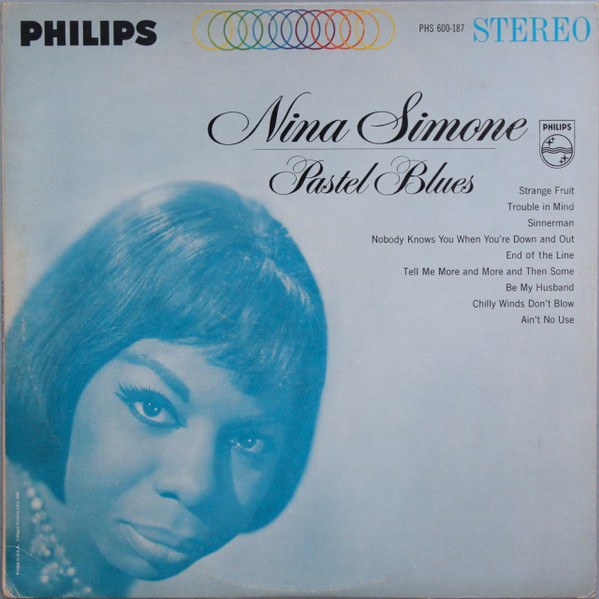
The starkest record of the four. It holds “Strange Fruit,” and it ends with “Sinnerman,” ten minutes of piano and hand claps and mounting panic.
“If this is blues, it’s blues in the Billie Holiday sense, not the Muddy Waters one.”Richie Unterberger, AllMusic
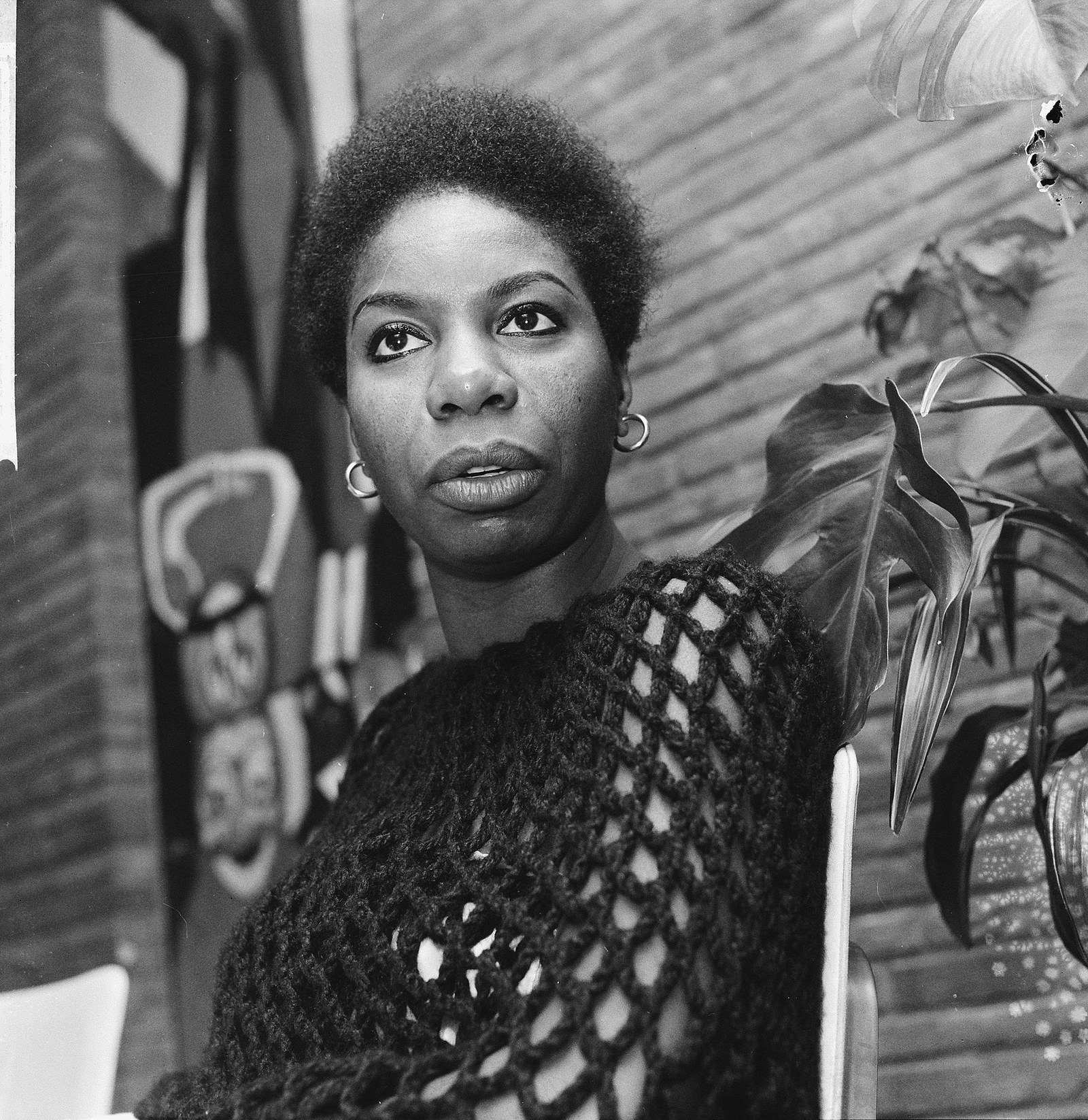
1965–67
Two of the three records on the second evening were not conceived as albums at all. Philips assembled Let It All Out and Wild Is the Wind from sessions left over from 1964 and 1965. That is not a knock on them. It explains something real about how they play — why a protest song can sit directly beside a straight pop cover, with no transition and no apology.
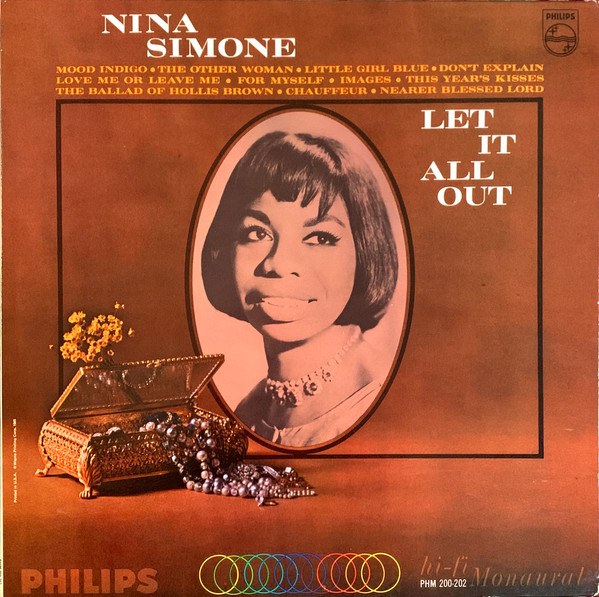
An odds-and-ends collection that ranges from Ellington to Dylan to a gospel hymn. “Images” is an a cappella setting of a Waring Cuney poem about the beauty of blackness. It also holds her reading of Duke Ellington’s “Mood Indigo,” which is where the cocktail below comes from.
“All of Simone’s Philips albums are solid, and this is no exception.”Richie Unterberger, AllMusic
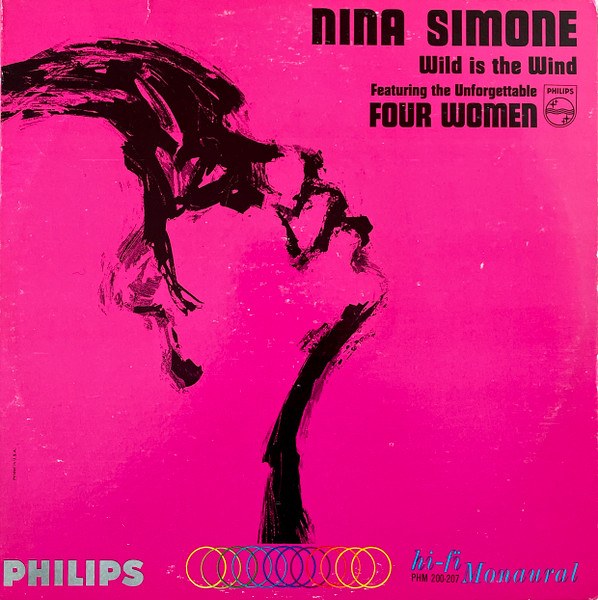
The record that gives these nights their name. The original jacket advertises it on the front: featuring the unforgettable “Four Women.” It also holds “Lilac Wine” and the title track, later taken up by Jeff Buckley and David Bowie respectively.
“…among her most enthralling and eclectic.”Rolling Stone, The 500 Greatest Albums of All Time
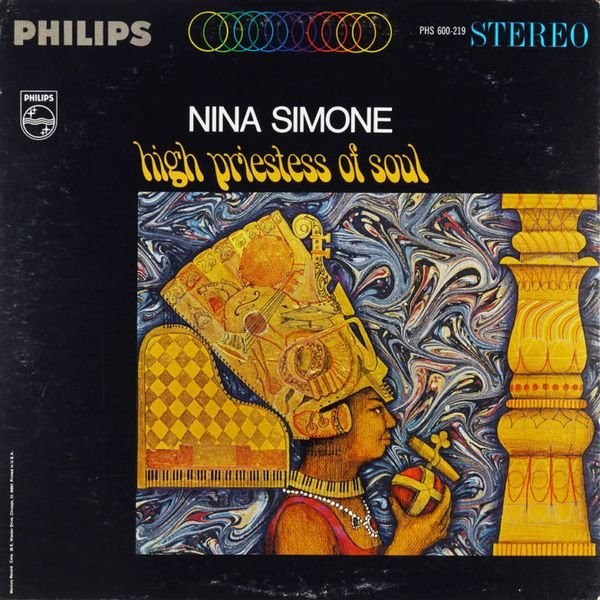
Her last record for Philips, arranged and conducted by Hal Mooney. The title is worth a footnote: Simone did not coin it. Philips did, as a way to sell her to a wider audience. There is something fitting about ending on a record whose cover is essentially a marketing department trying to put a crown on a woman who kept refusing to hold still.
“There is nothing superficial about Nina Simone. There is no fakery.”Del Shields, from the album’s original liner notes
“Four Women” introduces four Black women in turn — Aunt Sarah, whose back is strong enough to take pain she was never meant to carry; Saffronia, whose father was rich and white and whose mother was neither; Sweet Thing, whose body belongs to whoever has money; and Peaches, who is bitter and says so. It is a song about colorism, about sexual exploitation, and about what slavery did to the way Black women were allowed to see themselves. It caused enough of a storm in 1966 that the New York Post ran a piece on the protest it provoked. The critic Thulani Davis later called it “an instantly accessible analysis of the damning legacy of slavery.”
One clarification, because it circulates widely and is worth getting right: “Four Women” is not about the four girls killed in Birmingham. The two are often linked, and a 2016 stage play tied them together directly, but the song is its own thing. It is about four archetypes, not four victims.
The arc only exists in order
A playlist gives you the singles. Seven albums in sequence gives you the three years — the momentum, the detours, the sound of someone changing in public. You hear how quickly she moved from Carnegie Hall to “Sinnerman,” and how much ground sits between Broadway-Blues-Ballads and “Four Women.” That arc only exists if you let the records run in order.
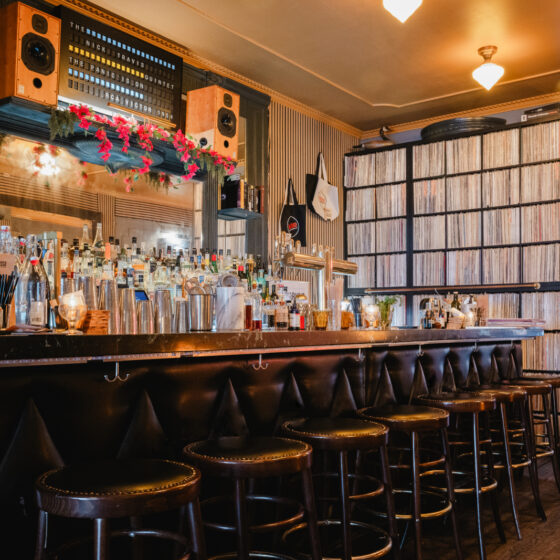
That is what this room is for. Our sound system was built for exactly this kind of listening, and a jazz kissa is a room where the music is the event rather than the backdrop. Both nights we will play the sides in order, with the volume where it should be, and let the box do what it was assembled to do. Ask to see the accompanying booklet if you’d like to flip through the notes.
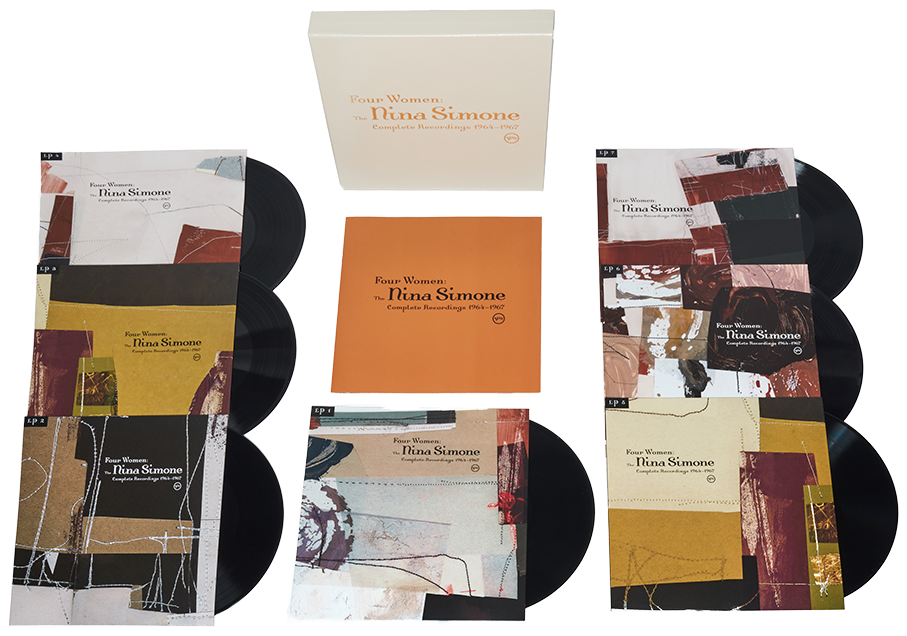
All seven Philips albums, newly remastered from the original analog tapes.
Mood Indigo
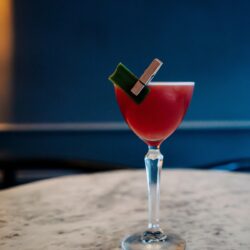
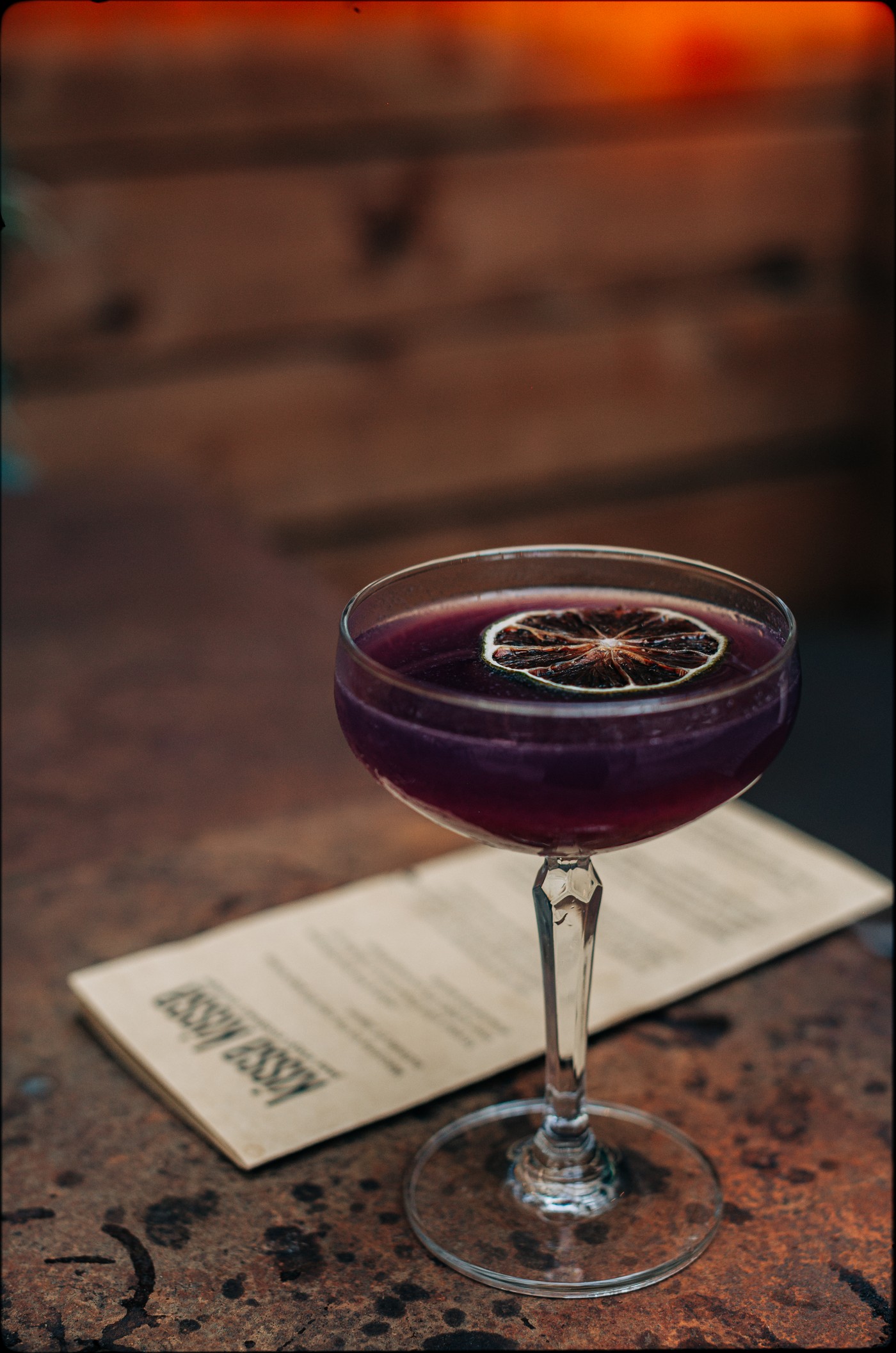
Our featured cocktail across both evenings is the Mood Indigo — aged rum, pineapple liqueur, butterfly pea flower, and fresh lemon, served up in a coupe. It pours a deep indigo and then blooms violet as the citrus hits.
Named for the Ellington standard that Simone so lovingly reinterpreted, we’ve taken this occasion to bring back this Kissa Kissa classic. Enjoy a glass while savoring these landmark recordings.
Both nights, 7 to 11 PM
Tuesday, August 11 and Wednesday, August 12, from 7:00 to 11:00 PM both nights. Free and open to the public, no cover, no ticket. Come for one night or both — the programming is different each evening, and night two does not require night one.
Thanks to Verve Label Group for the box set and the collaboration. If these nights are your speed, our Verve Mondays series runs every week.
Come listen
667 Franklin Avenue · Crown Heights, Brooklyn
No cover. No reservations required but always encouraged.