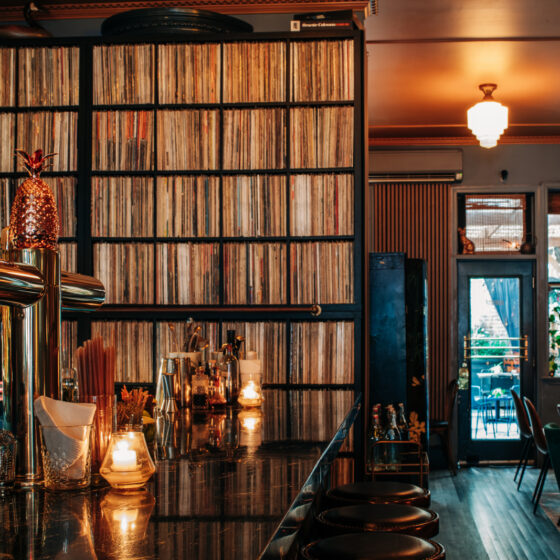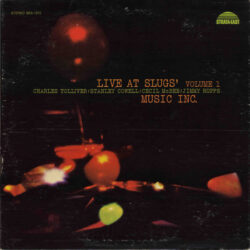
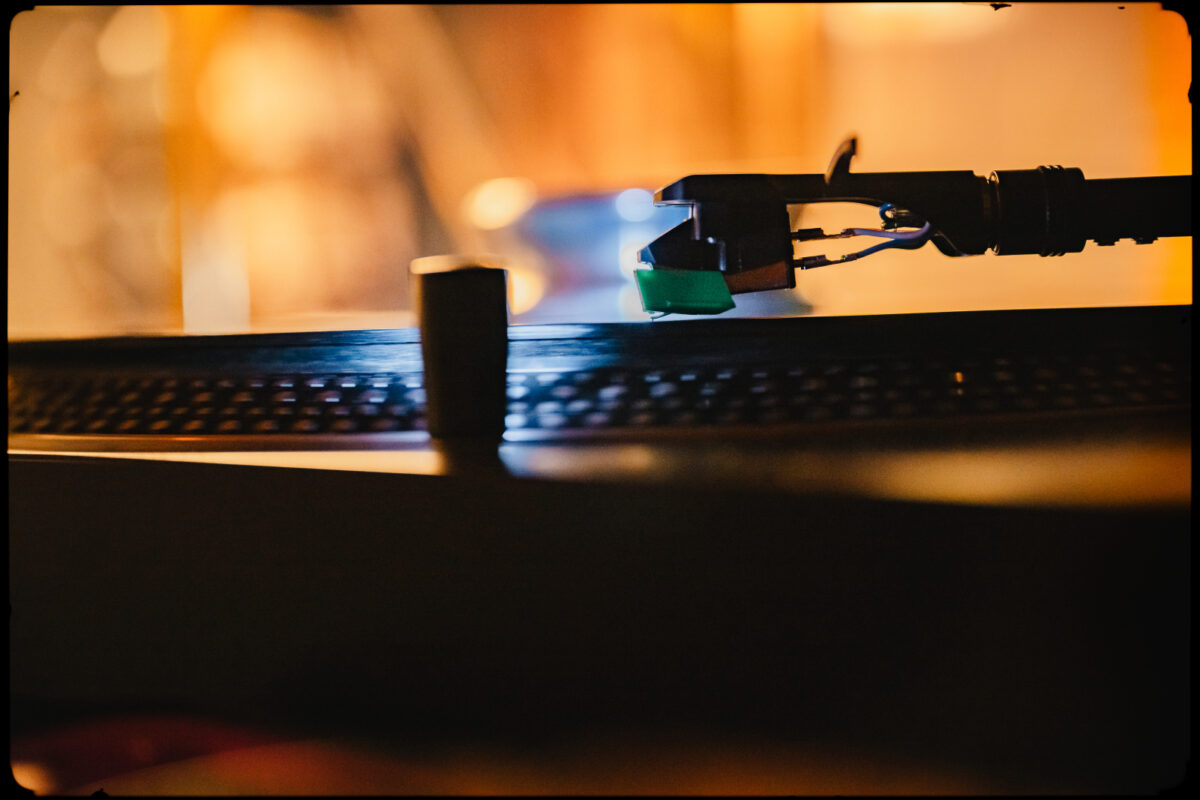
There is a moment — just after the needle drops and before the first note sounds — when the room changes. A faint crackle, a breath of surface noise, and then the music begins. Not a track. Not a single. An album: a sequence of songs arranged in a deliberate order by artists who spent weeks or months deciding what should come first, what should come last, and what should happen in between.
Most of us don’t listen to full albums anymore. (No judgment — we do it too.) Streaming platforms have made it effortless to skip, shuffle, and curate our own micro-playlists from fragments of other people’s work. An album — a forty-minute commitment to a single artist’s vision — has become a radical act. At Kissa Kissa, it is the only act.
Albums Are Arguments
A great album is not a collection of songs. It is an argument. It has a thesis, a structure, and a conclusion. The opening track sets the terms. The middle tracks develop and complicate them. The closing track resolves — or deliberately refuses to resolve — the tension that has been building.
Consider the difference between hearing a single track from a classic album and hearing the entire record in sequence. The individual track might be beautiful on its own. But in context — preceded by the tracks that set it up and followed by the tracks that respond to it — it becomes something larger. It gains meaning from its position in the sequence, the way a chapter gains meaning from its place in a book.
When you shuffle, you lose this. You hear the words but miss the sentences. You get the notes but lose the composition.

The Physicality of Vinyl Enforces the Ritual
Vinyl is a stubbornly physical medium. You cannot skip a track without physically lifting the needle and placing it somewhere else — an act that feels deliberate and slightly wrong, like dog-earing a page in a first edition. The format wants you to listen in order, from the first groove to the last, and then to stand up, walk over, flip the record, and commit to the second half.
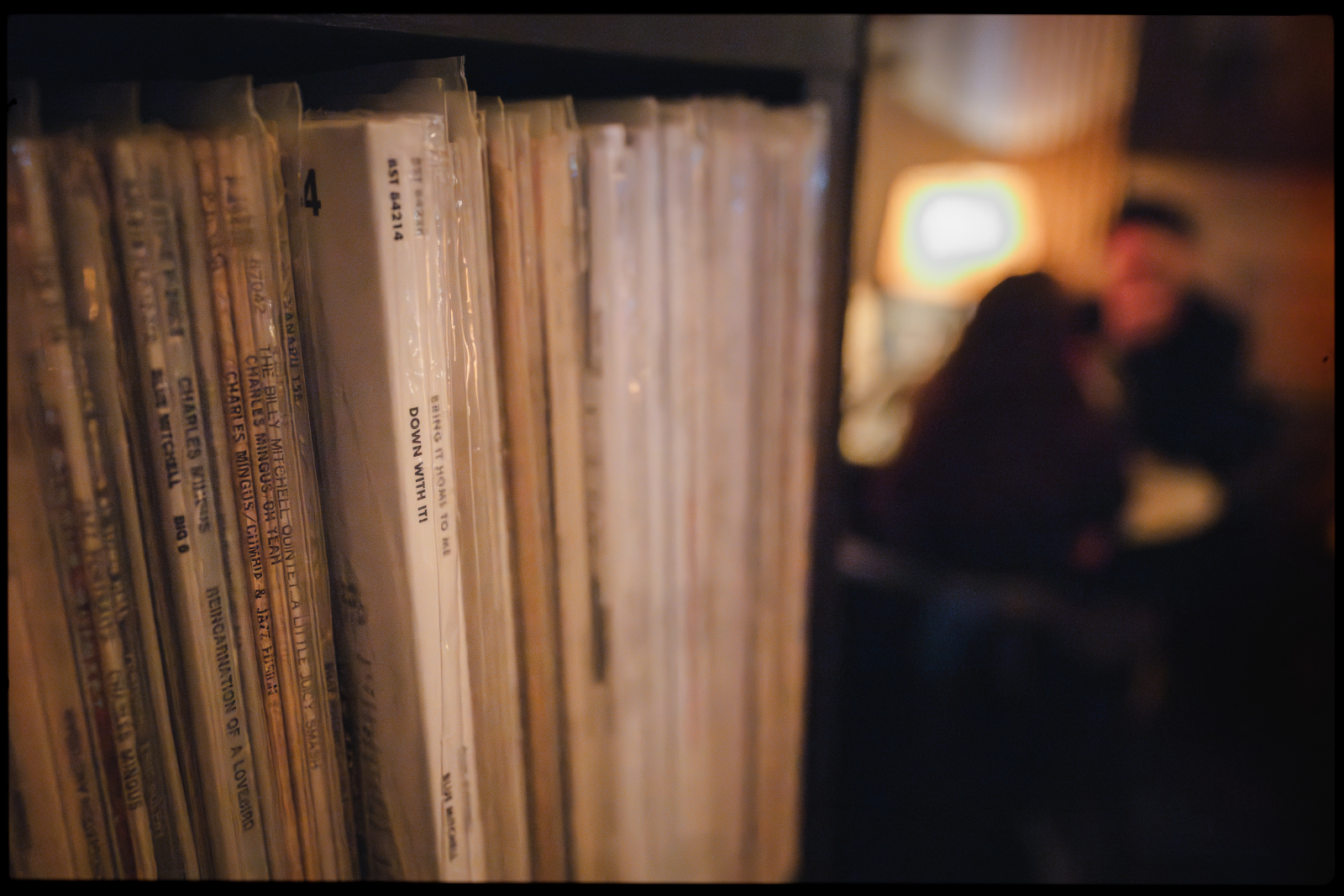
Every record at Kissa Kissa is played from start to finish — the way the artist intended.
This physicality is not a limitation. It is a feature. In a world optimized for frictionless consumption, vinyl reintroduces just enough friction to change your relationship with the music. The act of flipping a record is a tiny ceremony — a moment of silence between sides that gives you space to absorb what you have heard before the next movement begins.
Attention as a Practice
Listening to a full album is an exercise in sustained attention — something that most of us are losing the capacity for. A jazz kissa is designed to support exactly this kind of attention. The room is acoustically treated to reward close listening. The lighting is warm and non-distracting. The sound system reveals details that headphones and bluetooth speakers cannot — the breath before a saxophone solo, the resonance of a piano’s sustain pedal, the way a drummer’s brushes move across a snare head.
Paying attention to these details is not work. It is pleasure — the kind of pleasure that only comes from giving something your full focus. And like any practice, it gets easier and more rewarding the more you do it.
What Gets Lost When We Skip
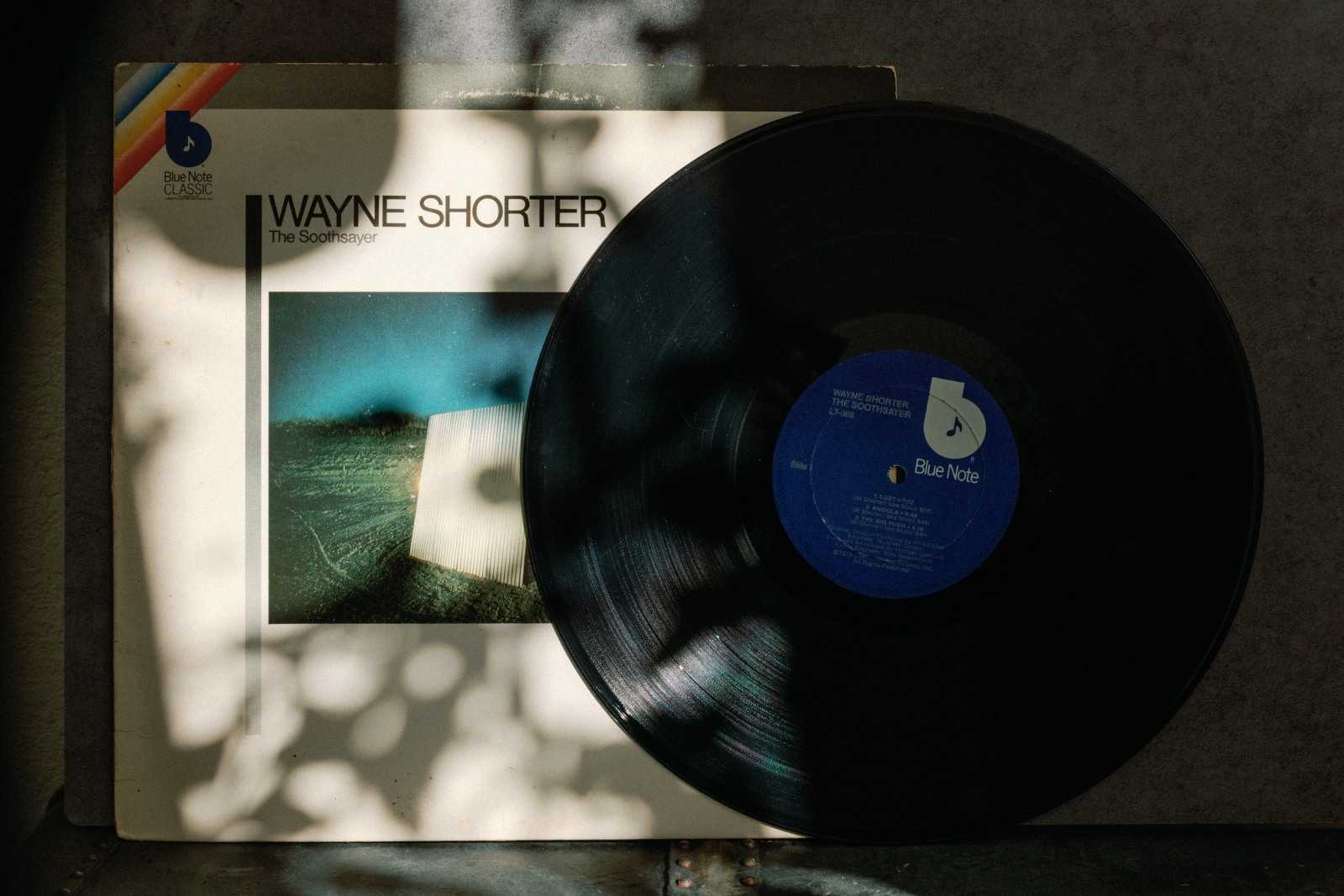
When you can skip freely, you optimize for immediate gratification. You hear only the peaks — the hooks, the familiar parts, the moments that grab you in the first five seconds. What you lose is everything else: the slow builds, the quiet passages, the unexpected turns, the moments that only pay off because of what came before them.
Jazz is particularly vulnerable to this kind of listening. A jazz solo might take two or three minutes to develop an idea. A ballad might spend its first minute establishing a mood that the rest of the track subverts. None of this survives a shuffle. The Impulse! Records catalog, for instance, is full of albums that demand this kind of committed listening.
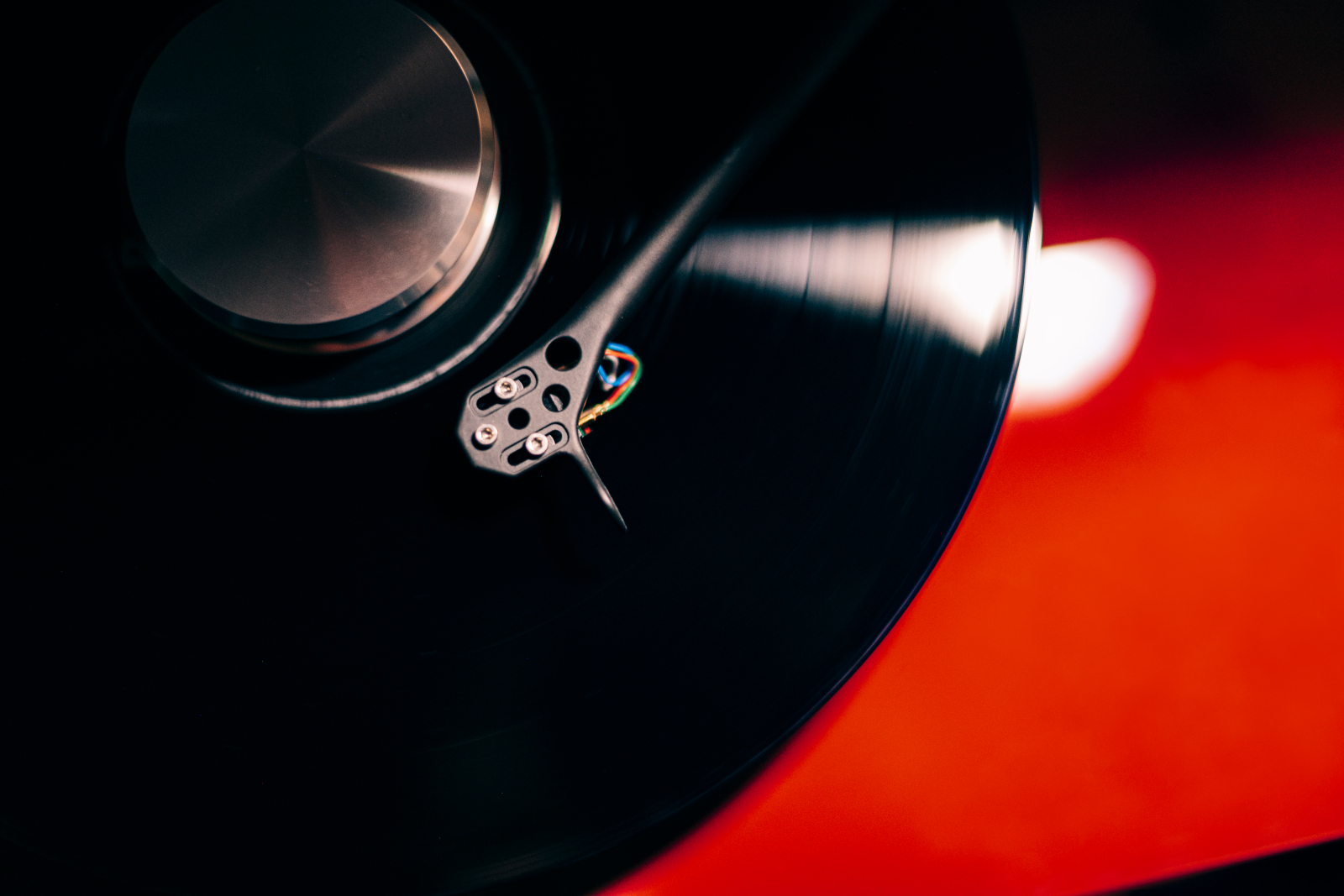
The ritual of the record is not nostalgia. It is a practice — one that listening bars exist to preserve, and one that rewards you every time you show up for it.
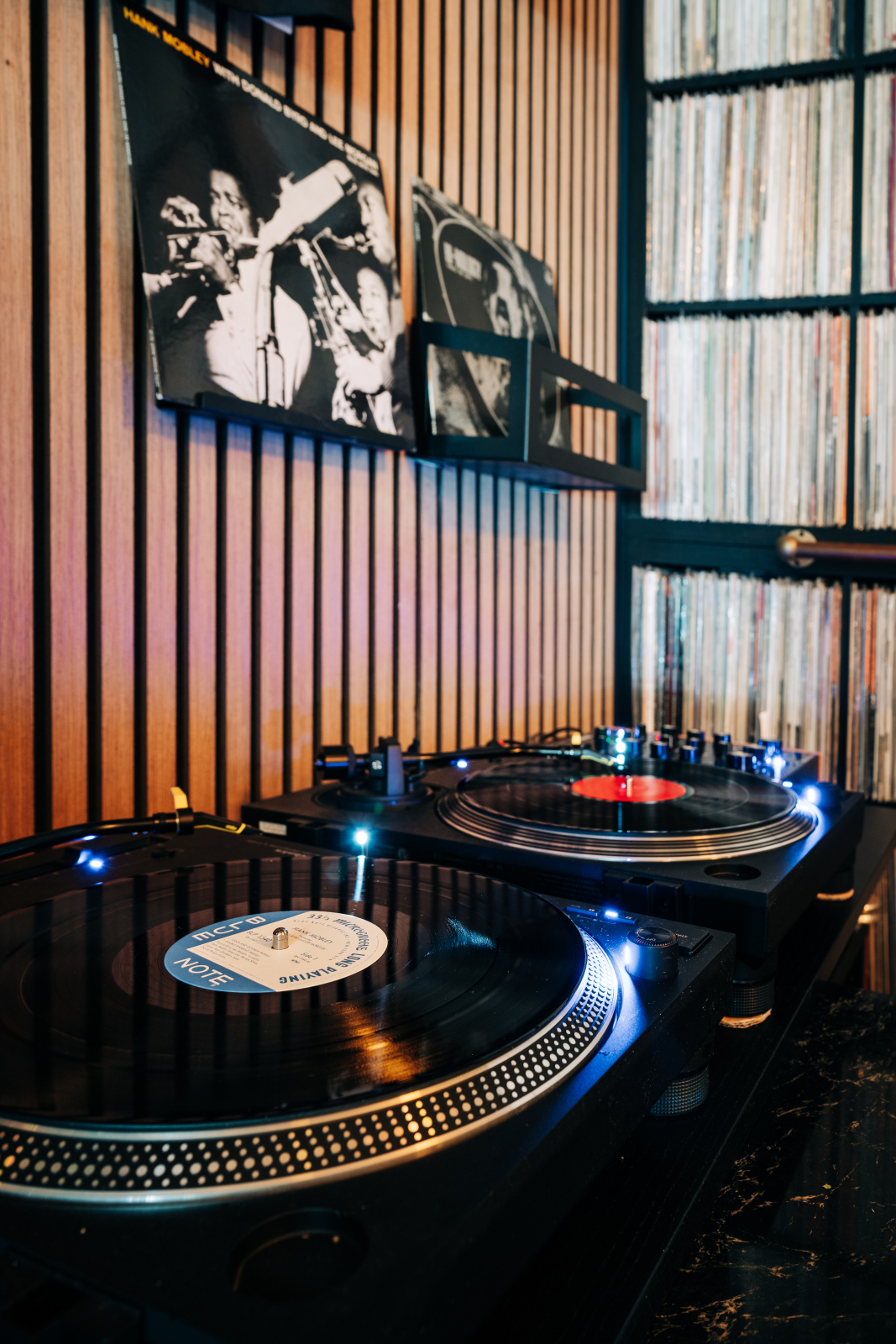
Slow Down and Listen
667 Franklin Avenue · Crown Heights, Brooklyn
Open seven nights a week.