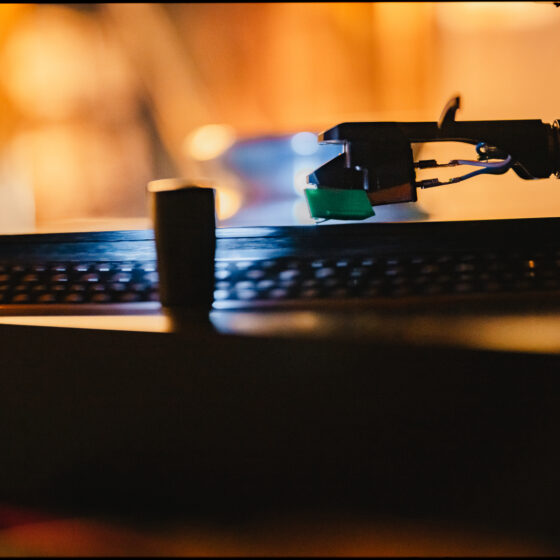
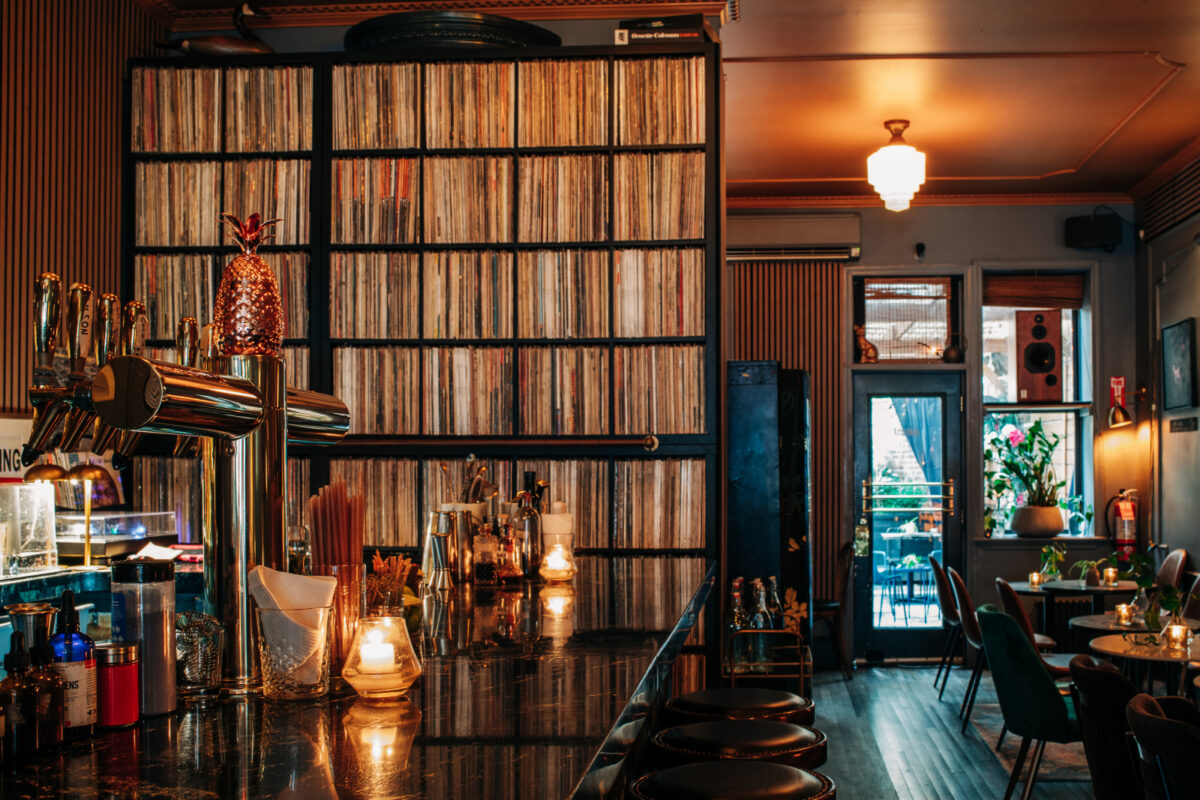
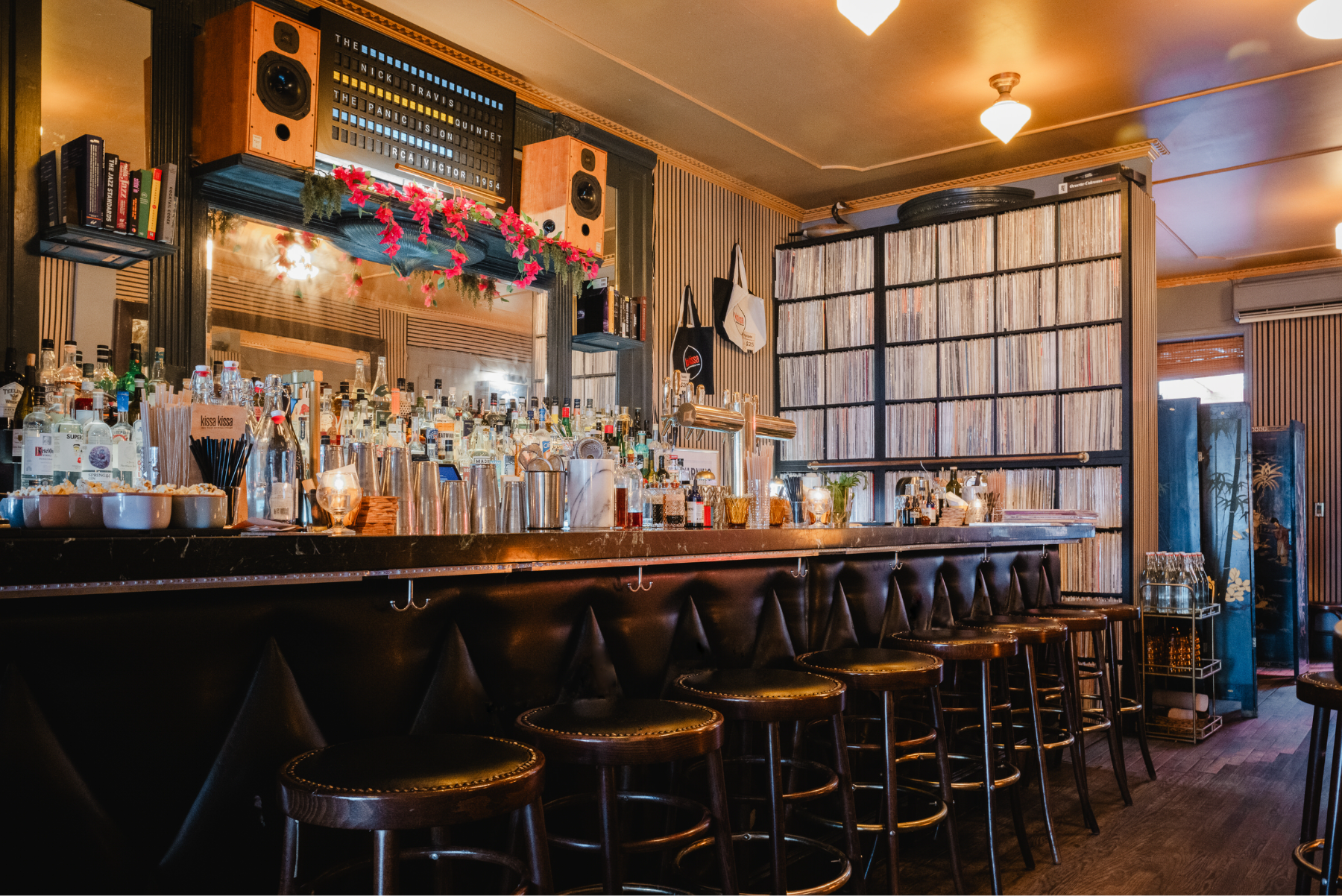
Five thousand records is a lot of vinyl. Stacked end to end, they would stretch out over a mile. Played end to end, they would take more than six months of continuous listening. But a collection is not a number — it is a set of choices. Every record on the shelves at Kissa Kissa is there for a reason, and the reasons tell you as much about who we are as the music itself.
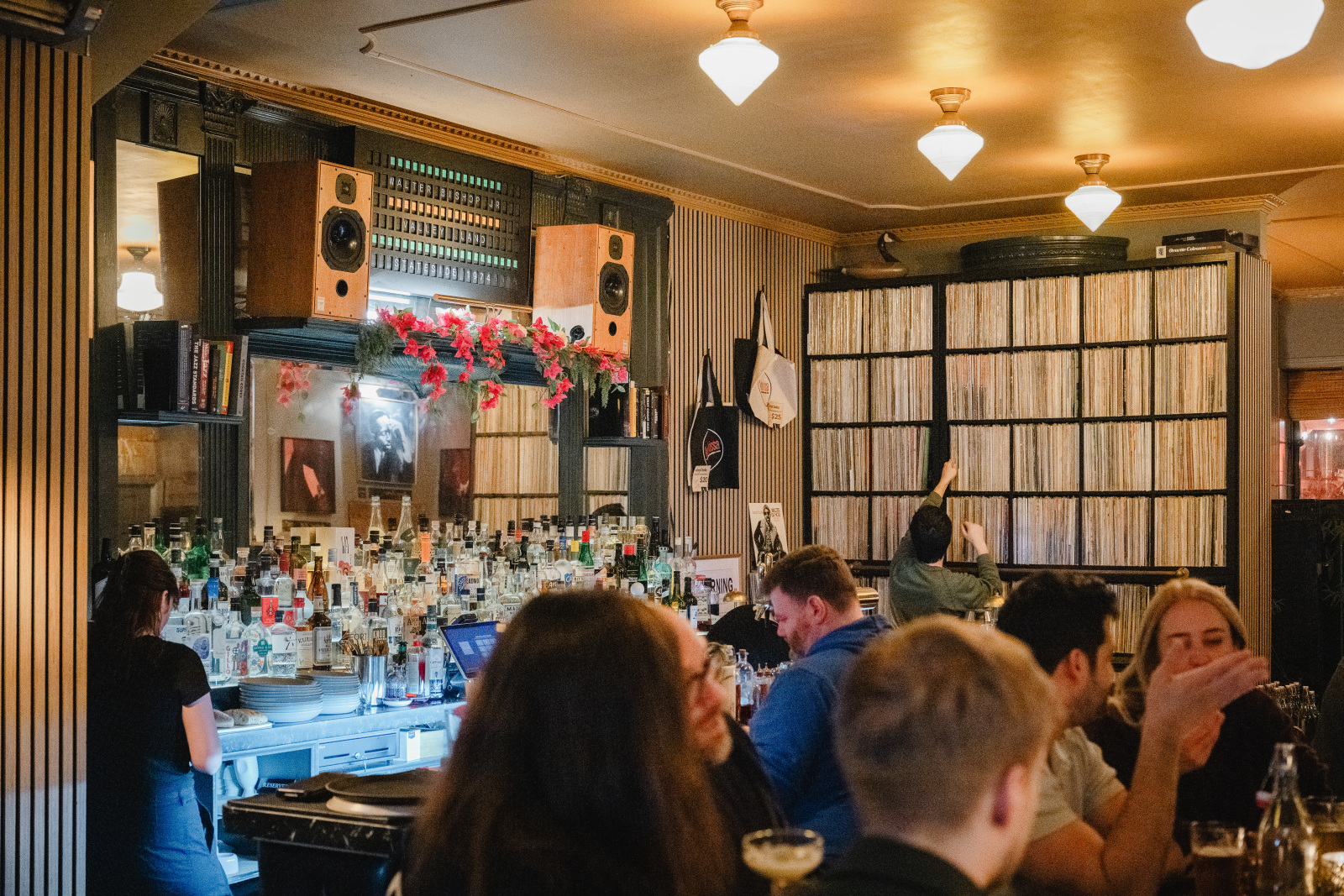
Jazz, Vinyl, 1950s Through 1970s
The first curatorial decision was also the most important: this is a jazz collection. Not jazz-plus-soul-plus-funk-plus-whatever-feels-right. Jazz. The focus gives us depth instead of breadth, and it means that on any given evening, the music tells a coherent story rather than jumping between unrelated genres.
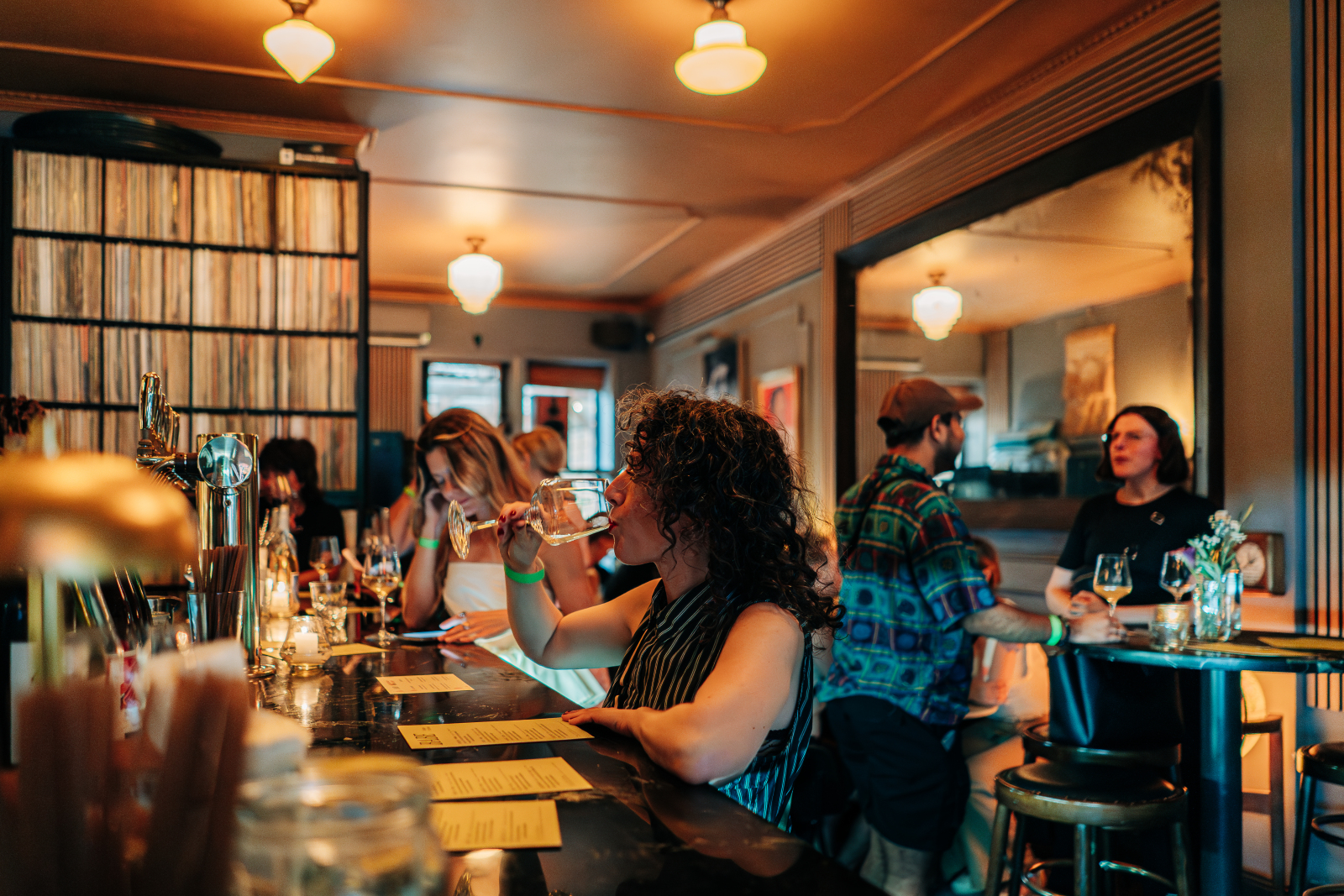
The time period — roughly the mid-1950s through the late 1970s — is not arbitrary. This is the era when jazz was at its most diverse and adventurous. And it is the era that the great Japanese jazz kissas were built around, which makes it the natural foundation for an American kissa honoring that tradition.

Labels as Landmarks
Each label from the golden age of jazz had a distinct personality. Blue Note is the most famous — the label’s commitment to pairing exceptional musicians with top-tier recording engineers (most famously Rudy Van Gelder) produced records that sound as vivid today as the day they were pressed. Prestige captured a rawer, more spontaneous energy. Impulse! gave its artists the freedom to experiment, producing some of the most boundary-pushing records in jazz history.
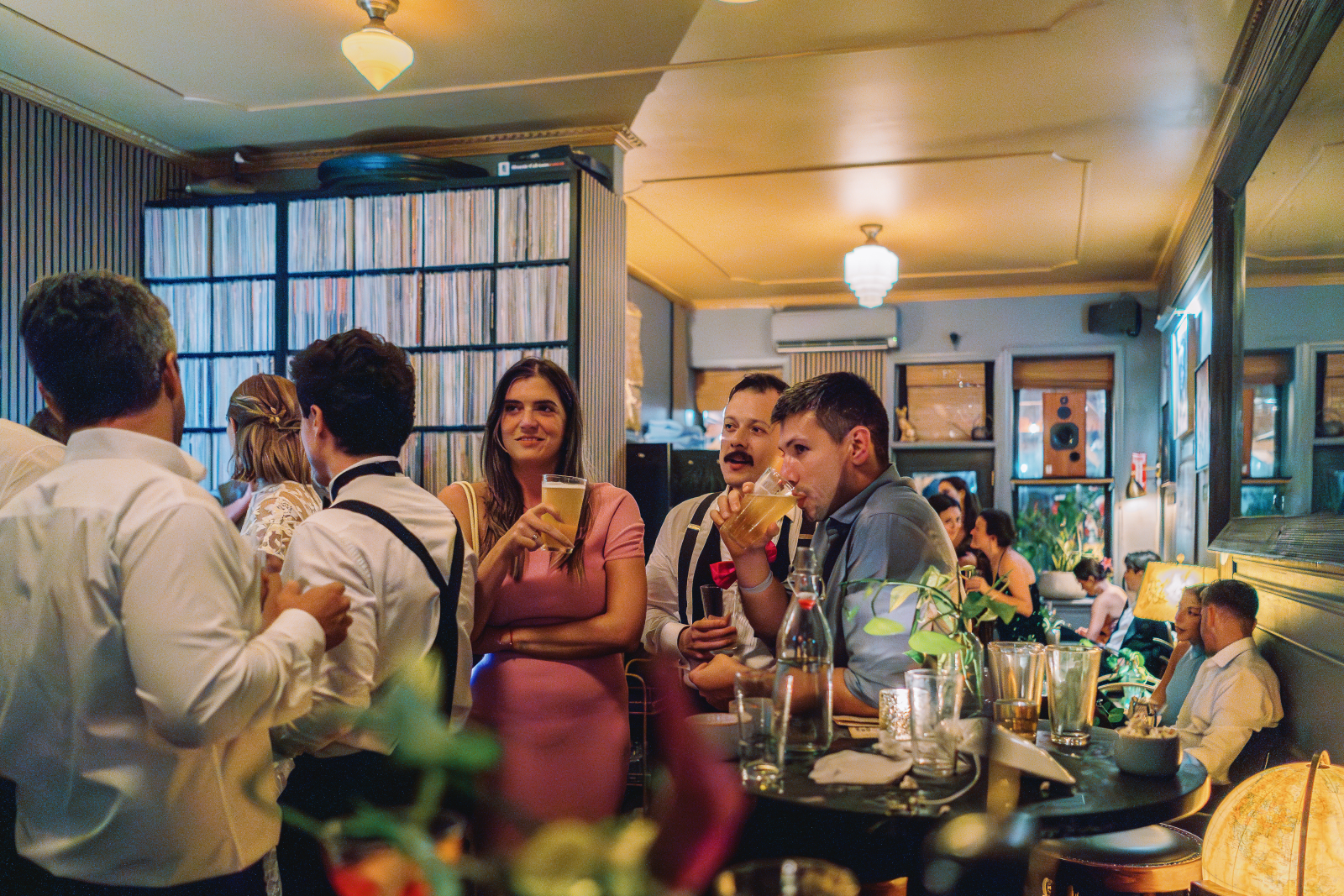
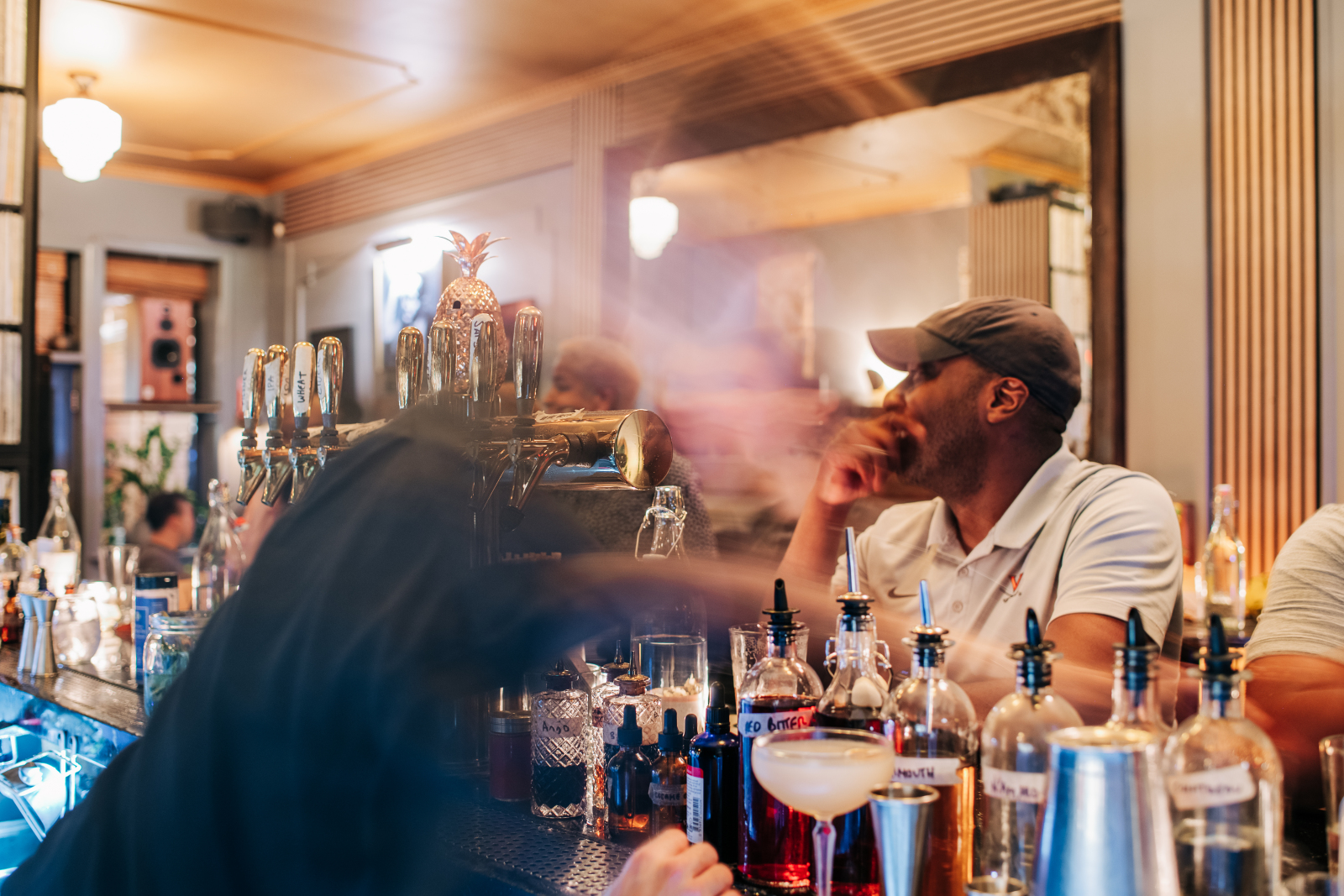
More than 5,000 jazz LPs line the wall behind the bar — a library built one record at a time.
Beyond the big names, the collection includes deep catalogs from Riverside, Contemporary, Pacific Jazz, ECM, and dozens of smaller labels whose records are less well-known but no less rewarding.
Japanese Pressings: Why They Matter
A significant portion of our collection consists of Japanese pressings — vinyl records manufactured in Japan, often from the same master tapes as the American originals. For decades, Japanese pressing plants were considered among the best in the world, using higher-quality vinyl, stricter quality control, and manufacturing processes that resulted in quieter surfaces and more detailed sound.
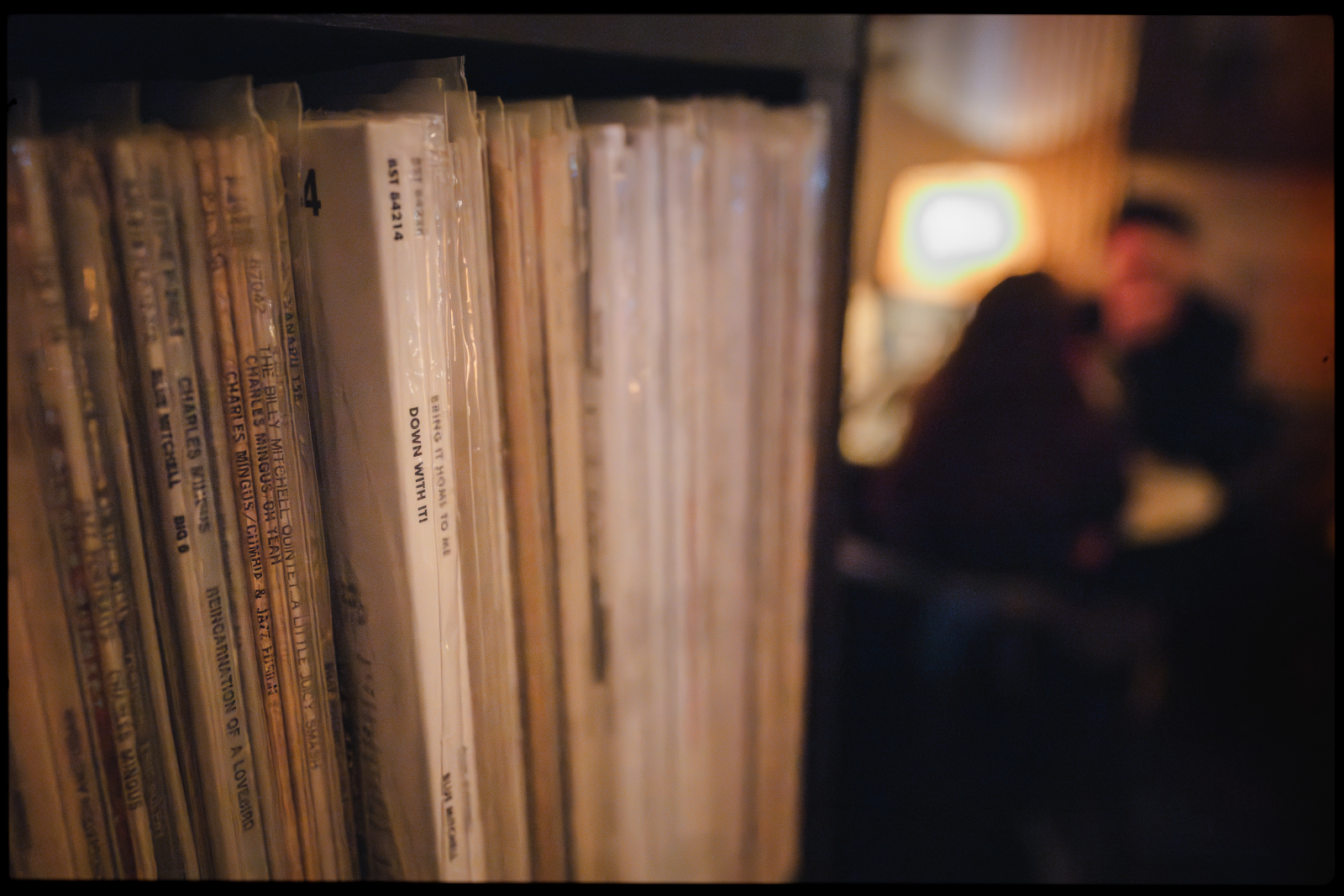
Using Japanese pressings in a jazz kissa also feels right on a cultural level. The kissa tradition originated in Japan, and the care that Japanese engineers brought to pressing these American jazz records mirrors the care that kissa owners brought to playing them.
Curation as Storytelling
Owning five thousand records is one thing. Knowing what to play on a Tuesday evening in February is another.
Nightly curation at Kissa Kissa is an act of storytelling. The person selecting records is thinking about mood, flow, contrast, and arc — how the first record of the evening sets a tone, how the second builds on it, how a well-placed shift in energy can transform the room.
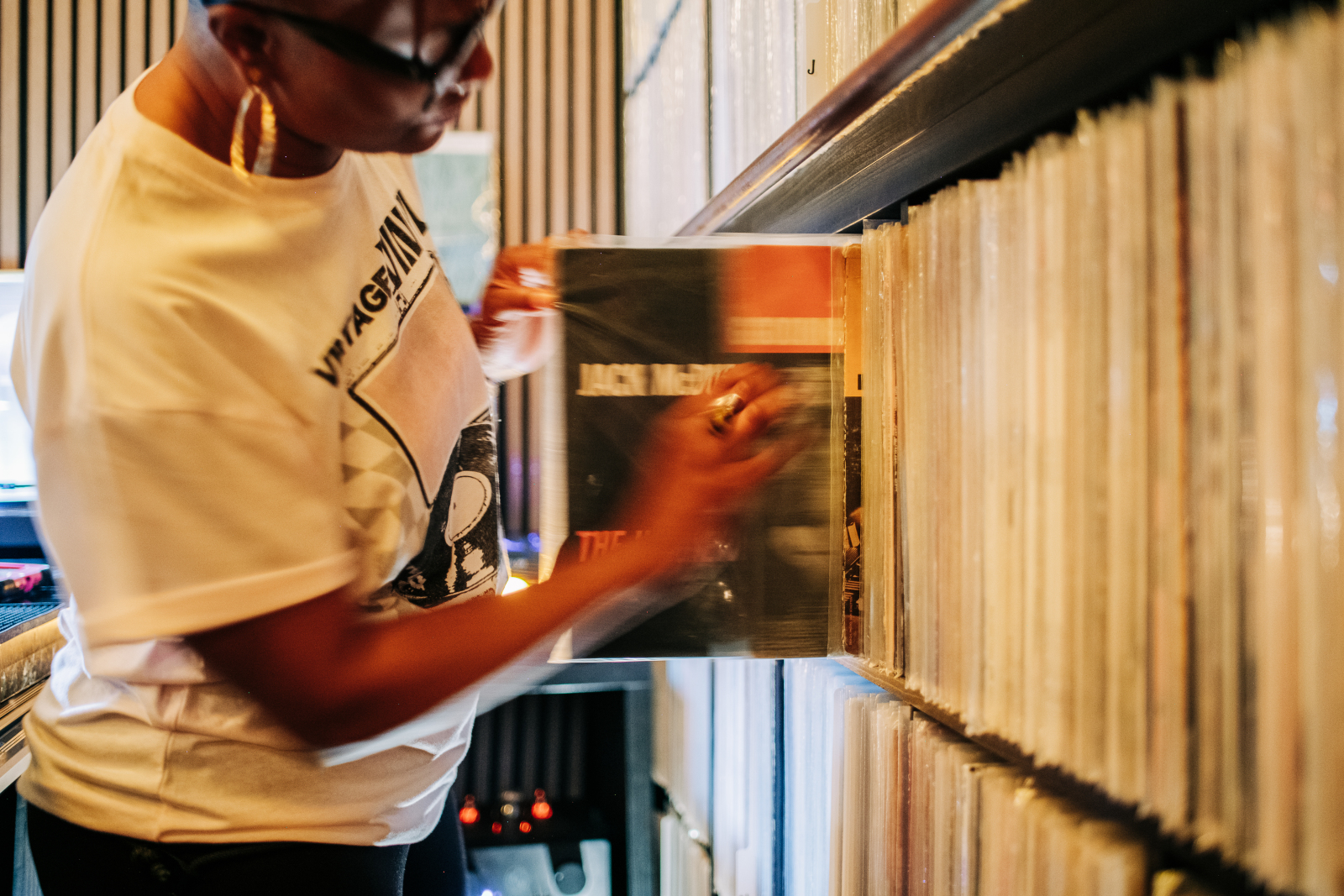
Five thousand is not a final number. The collection grows regularly — through record fairs, dealer connections, private sales, and the occasional stroke of luck. A jazz kissa’s record collection is its soul. Ours is one we have spent years building and continue to refine, one album at a time.
Come Hear the Collection for Yourself
667 Franklin Avenue · Crown Heights, Brooklyn
Open seven nights a week.