LISTEN TO THE EPISODE
Booker Ervin taught himself tenor saxophone on a military base in Okinawa. Within a few years he was playing alongside Charles Mingus, and his sound — raw, huge, soaked in Texas blues — was unlike anything else in New York. In 1964 he sat down with three of the most refined musicians in jazz and recorded a set of standards. The results were extraordinary — a quartet date that proved the hardest-blowing tenor in jazz could also be its most tender.
In this episode of Deep in the Stacks, we pull The Song Book from the shelf and listen to Ervin navigate six standards with Tommy Flanagan’s crystalline piano, Richard Davis’s melodic bass, and Alan Dawson’s impeccable brushwork — the only recorded meeting between Ervin and Flanagan, and one of the great Prestige quartet sessions.
THE RECORD

ABOUT THE ARTIST
Booker Ervin
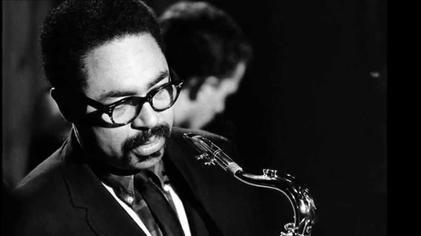
Booker Telleferro Ervin II (1930–1970) came up in Denison, Texas, surrounded by blues and gospel before enlisting in the Air Force and teaching himself tenor saxophone in Okinawa. After studying at Berklee, he moved to New York and was hired by Charles Mingus in late 1958 — an association that defined his early reputation as a muscular, uncompromising voice in Mingus’s most combustible ensembles. Albums like Mingus Ah Um and Mingus Dynasty showcase that raw power.
But Ervin was also a deeply melodic player, and his series of “Book” albums for Prestige let him prove it. The Freedom Book (1963), The Song Book (1964), The Space Book (1964), and The Blues Book (1964) form one of the most consistent runs on the label. On The Song Book, his pairing with pianist Tommy Flanagan is inspired — Flanagan’s elegance and harmonic sophistication provide the perfect counterweight to Ervin’s big, throaty tone.
Ervin died in 1970 at thirty-nine — far too young, with far too few records under his name. His influence echoes in every tenor player who balances raw power with deep lyricism. Explore more episodes.
SESSION DETAILS
Recorded
February 27, 1964
Studio
Van Gelder Studio
Englewood Cliffs, NJ
Producer
Don Schlitten
Engineer
Rudy Van Gelder
Personnel
Tommy Flanagan — piano
Richard Davis — bass
Alan Dawson — drums
WHY THIS ALBUM MATTERS
The Song Book matters because it's the warmest record Booker Ervin ever made and a counterargument to the standard Mingus-sideman narrative. Most of Ervin's reputation rests on his work in Charles Mingus's bands and on the celebrated "Book" series for Prestige (Freedom, Song, Blues, Space, Trance); this one is the standards-heavy outlier where he proved he could play with the lyricism of Lester Young while keeping his characteristic wide vibrato and Texas tenor edge. Tommy Flanagan, Richard Davis, and Alan Dawson are among the most musical rhythm sections of the era. Ervin died at 39 in 1970, leaving a discography that critics are still catching up with — The Song Book is the gateway record.

Side 1

Side 2
Prestige PRLP 7318 · Original mono pressing
New episodes every weekday.
Listen to Deep in the Stacks wherever you get your podcasts, or visit us at Kissa Kissa in Crown Heights.