LISTEN TO THE EPISODE
Eric Dolphy died in Berlin on June 29, 1964. He was thirty-six. Less than two months later, trumpeter Ted Curson — who had shared a bandstand with Dolphy in one of the most important small groups in jazz history — went into the studio and recorded a tribute. Not a memorial concert or a standards date with a dedication in the liner notes, but a full album of original compositions written in the shadow of that loss. The result is Tears for Dolphy, six tracks of music that refuses to sit still, featuring Bill Barron on tenor saxophone and clarinet, Herb Bushler on bass, and Dick Berk on drums.
In this episode of Deep in the Stacks, we trace Curson’s path from Miles Davis’s advice to move to New York, through the Mingus quartet with Dolphy and Dannie Richmond, to this Fontana session recorded in the raw weeks after his friend’s death — a record born from grief that never turns sentimental.
THE RECORD

ABOUT THE ARTIST
Ted Curson
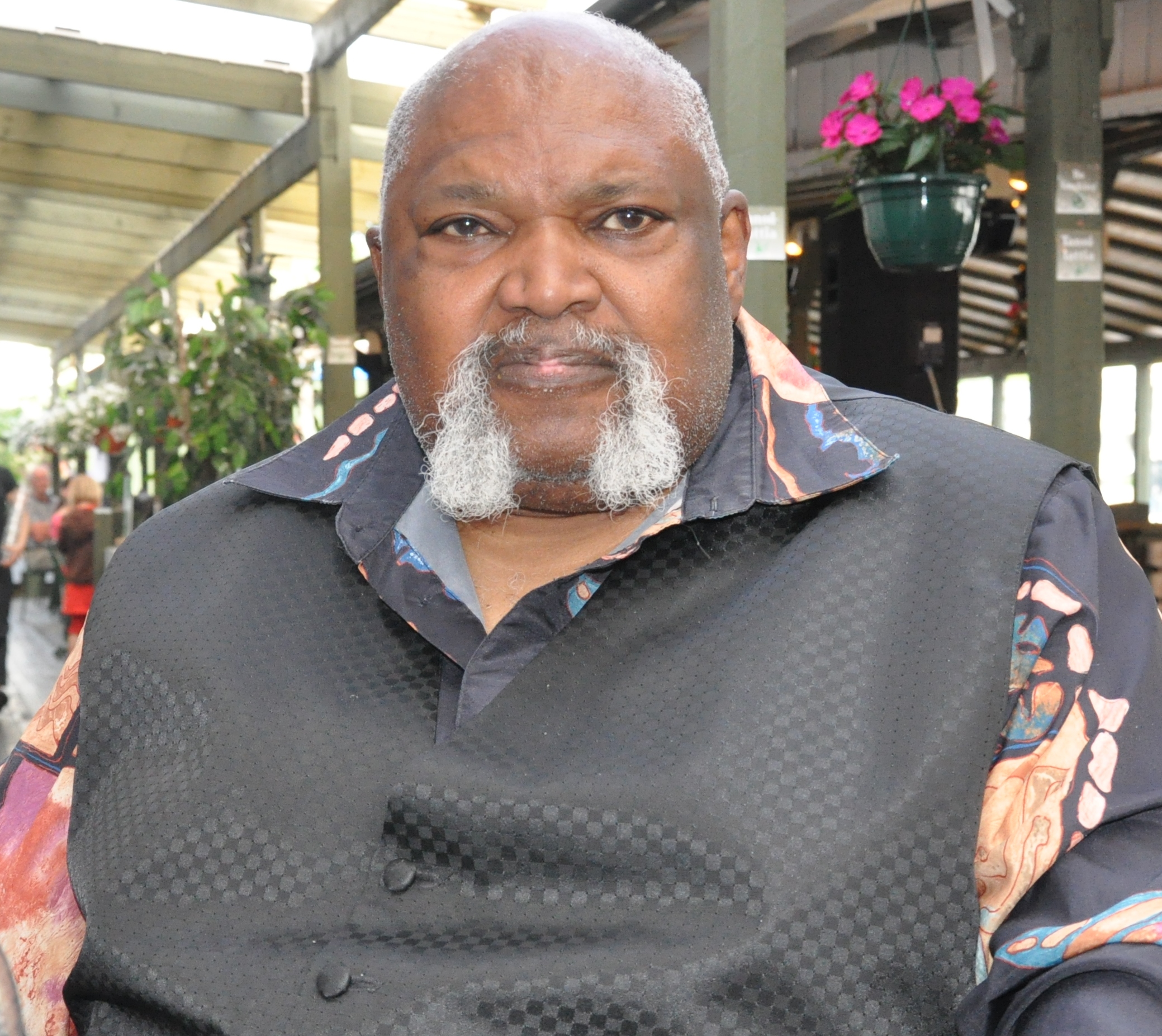
Theodore Curson (1935–2012) arrived in New York in 1956 on the advice of Miles Davis and quickly found himself at the center of jazz’s most adventurous circles. His defining association came in 1960 when he joined Charles Mingus’s quartet alongside Eric Dolphy and Dannie Richmond — a group that redrew the boundaries of small-group jazz on Charles Mingus Presents Charles Mingus (1960). After that band dissolved, Curson continued pushing forward, recording as a leader for Prestige with Plenty of Horn (1961) and later cutting Tears for Dolphy for Fontana in 1964.
Curson’s trumpet sound was unmistakable — bright, slightly rough-edged, capable of moving between lyrical tenderness and fierce intensity within a single phrase. He spent much of the late 1960s and 1970s in Europe, where he found larger audiences and steady work, before returning to New York. He remained active as a performer and educator well into the 2000s, mentoring younger musicians and keeping the post-bop flame alive at clubs across the city.
Though never as widely celebrated as some of his contemporaries, Curson’s recordings — particularly the Mingus sessions and Tears for Dolphy — stand as essential documents of a trumpeter who played with both conviction and vulnerability. Explore more episodes.
SESSION DETAILS
Recorded
August 1, 1964
Studio
London, England
Producer
Alan Bates
Label
Fontana 688 310 ZL
Personnel
Bill Barron — tenor saxophone, clarinet
Herb Bushler — bass
Dick Berk — drums
WHY THIS ALBUM MATTERS
Tears for Dolphy matters because it captures the moment a jazz community processed sudden grief in real time. Eric Dolphy died in Berlin in late June 1964; Ted Curson recorded this album in Paris that October, naming the title track and the entire session as elegy. Curson and Dolphy had been frontline partners in the celebrated Charles Mingus quartet that recorded at Antibes in 1960, and you can hear that intimacy throughout the date. Bill Barron's tenor and clarinet and Herb Bushler's bass push the music toward European chamber-jazz territory, but the emotional center is Curson's open-trumpet sound — bright, vulnerable, unafraid of silence. The album has been overshadowed by Dolphy's own Last Date, recorded earlier that summer, but Curson's record is the more personal document and deserves the same attention.

Side 1

Side 2
Fontana 688 310 ZL · Original pressing
New episodes every weekday.
Listen to Deep in the Stacks wherever you get your podcasts, or visit us at Kissa Kissa in Crown Heights.