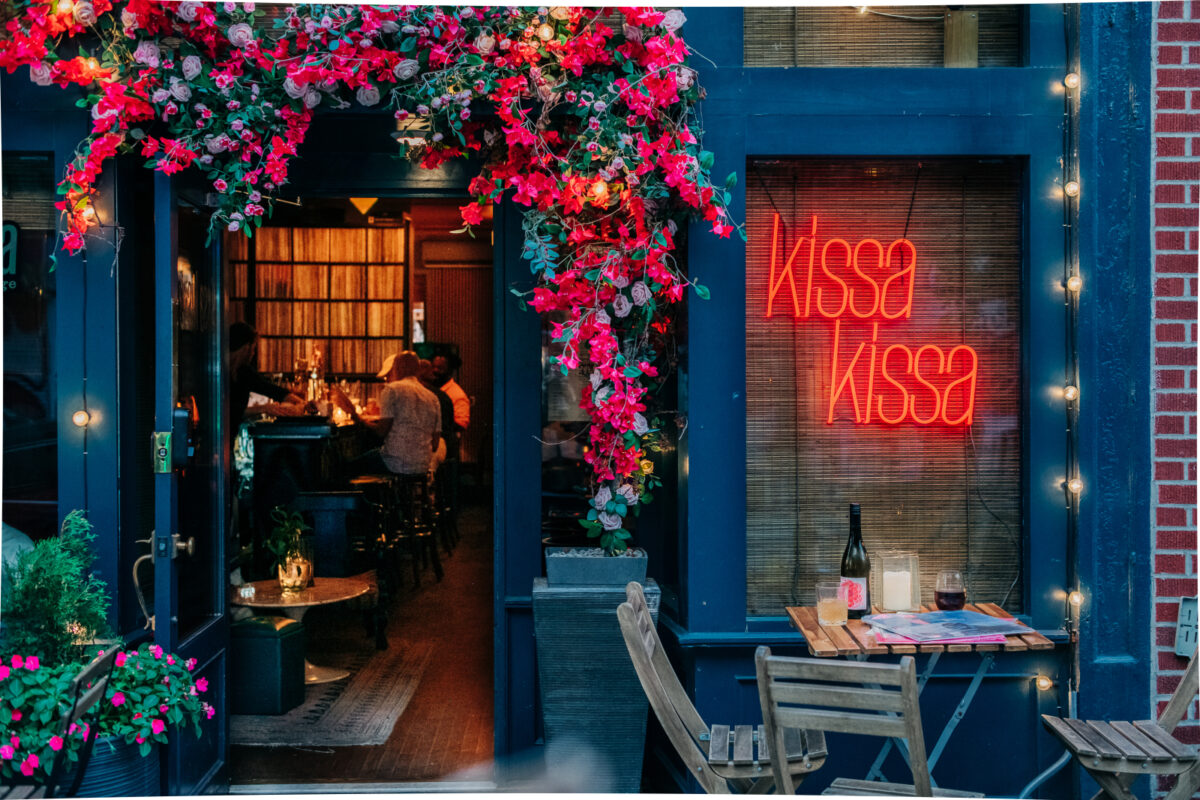
Walk into almost any neighborhood bar in Brooklyn or Manhattan today and there is a decent chance you will see a turntable behind the counter. Vinyl is back. But the listening bar — the kind of place where the sound system is the star, the records are curated with intention, and the room is acoustically designed for serious playback — is something different from a bar that happens to have a record player. New York City has become the epicenter of this movement, and the trend shows no signs of slowing down.
How We Got Here
The listening bar concept has existed in Japan since the late 1940s, where jazz kissas became cultural institutions in cities like Tokyo, Osaka, and Kyoto. But the American version is a recent phenomenon. Public Records opened in Gowanus in 2019 with a multi-room concept that included a dedicated sound room. Around the same time, Bar Shiru launched in Oakland as the Bay Area’s first hi-fi vinyl listening bar.

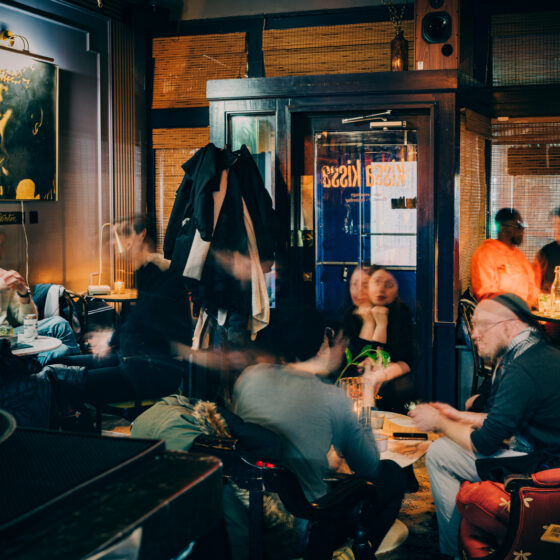
The jazz kissa tradition originated in Japan and has now inspired a global movement. (Photography: Philip Arneill. Courtesy of Kehrer Verlag)
By 2022 and 2023, the floodgates opened. Eavesdrop arrived in Greenpoint. Mr. Melo opened in Williamsburg. Kissa Kissa brought the jazz kissa tradition to Crown Heights. All Blues launched in Tribeca with a dedicated silent listening theater.
What Makes a Real Listening Bar
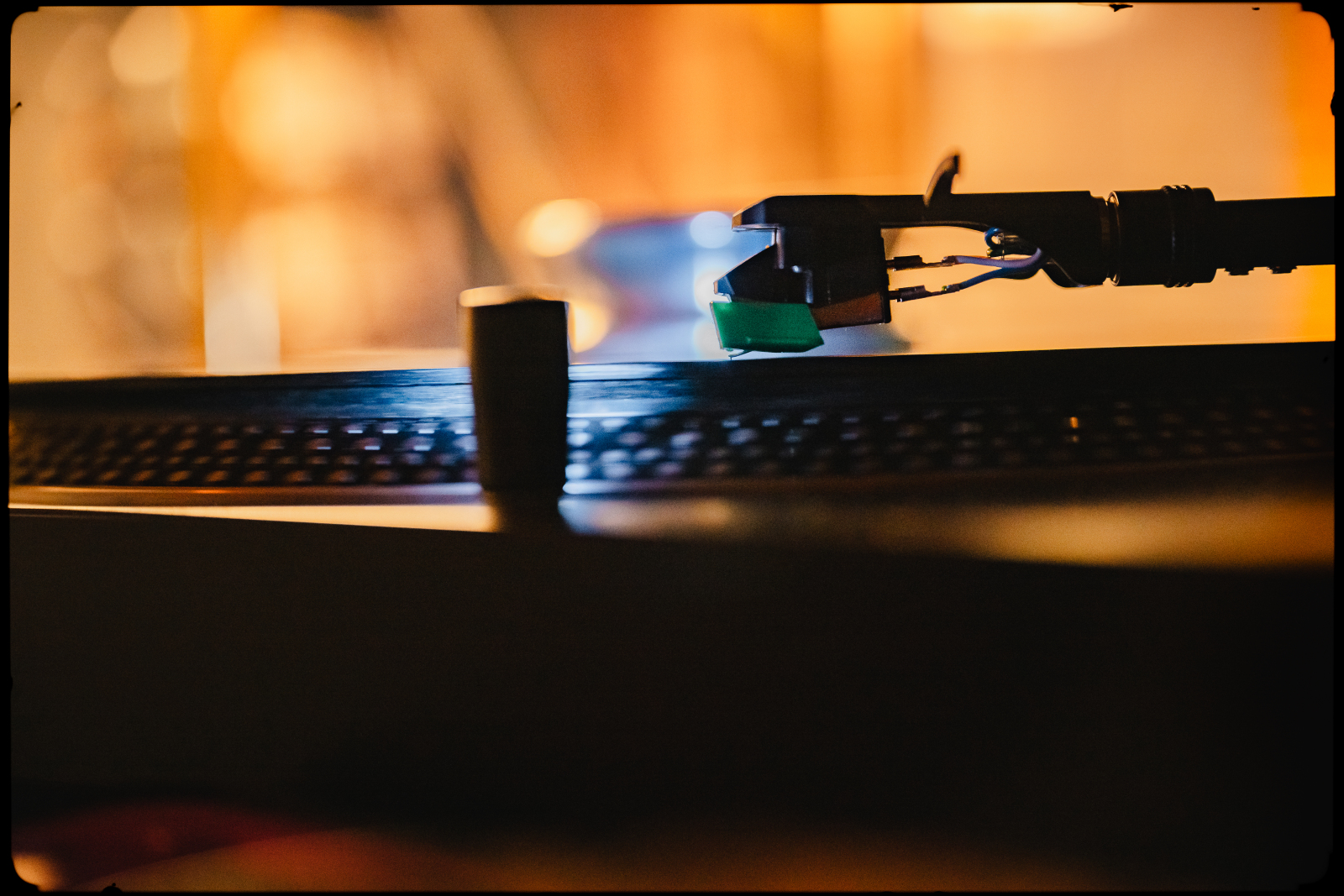
Not every bar with a turntable is a listening bar. A genuine listening bar invests in three things that most bars do not. First, the sound system — components that audiophiles would recognize: quality turntables, tube amplifiers, and speakers chosen for their ability to reproduce music faithfully. Second, the room itself — acoustic treatment, speaker placement, and seating layout designed to serve the sound. Third, the curation — intentional choices that build a program unfolding over the course of an evening.
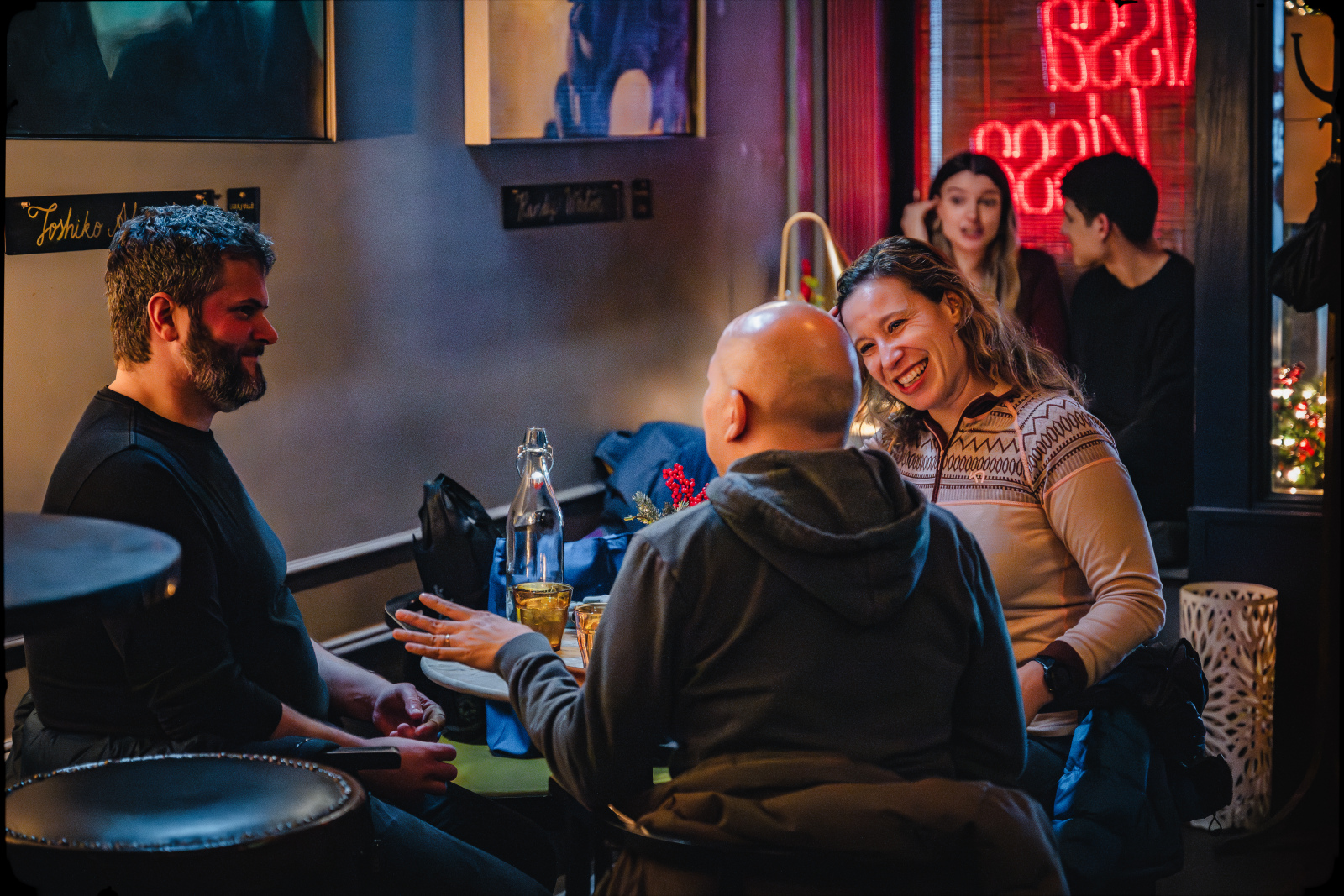
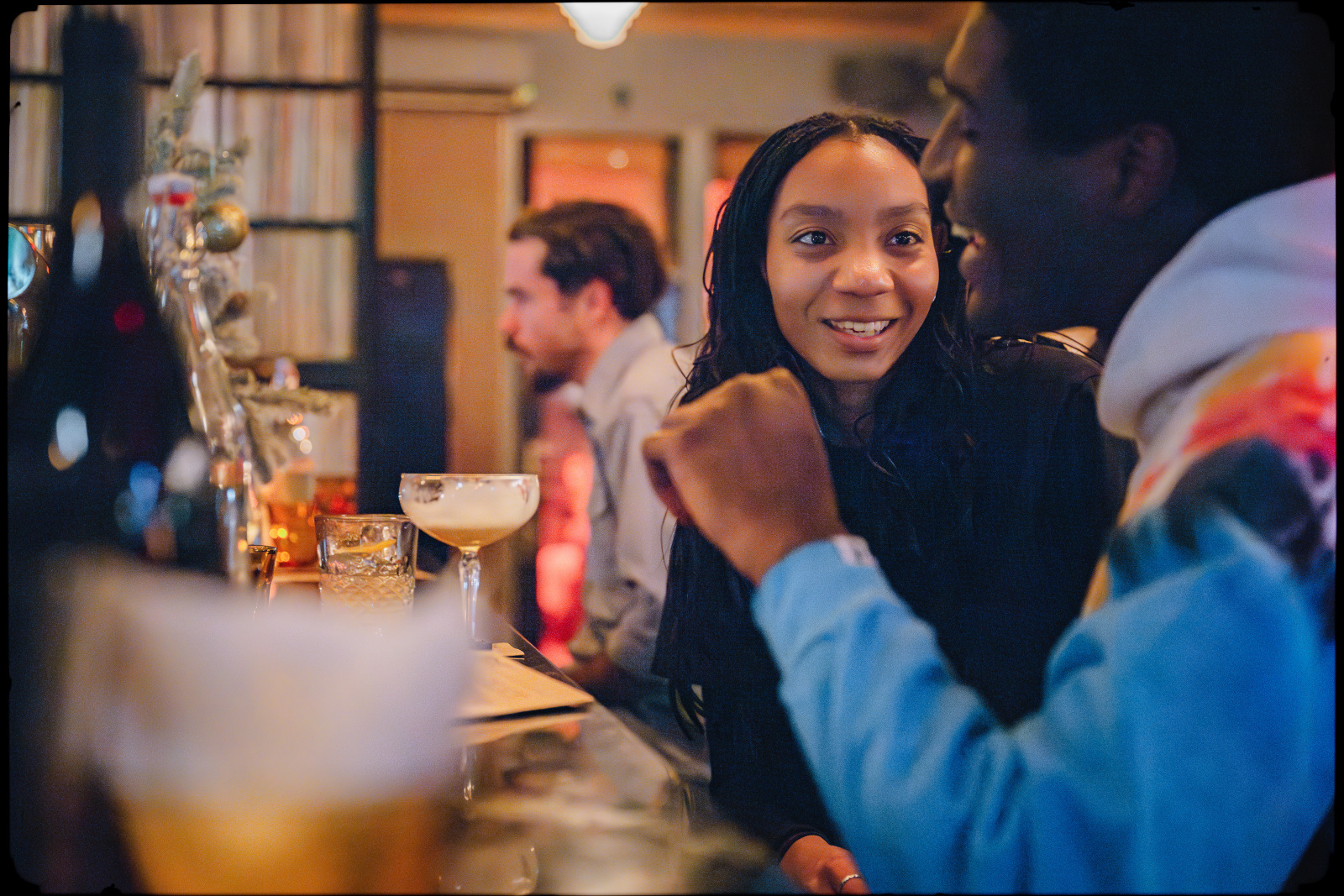
The result is an experience that feels fundamentally different from hearing music at a regular bar. The bass has weight. Instruments have separation and texture. A saxophone recorded in 1962 sounds like there is a person playing in the room.
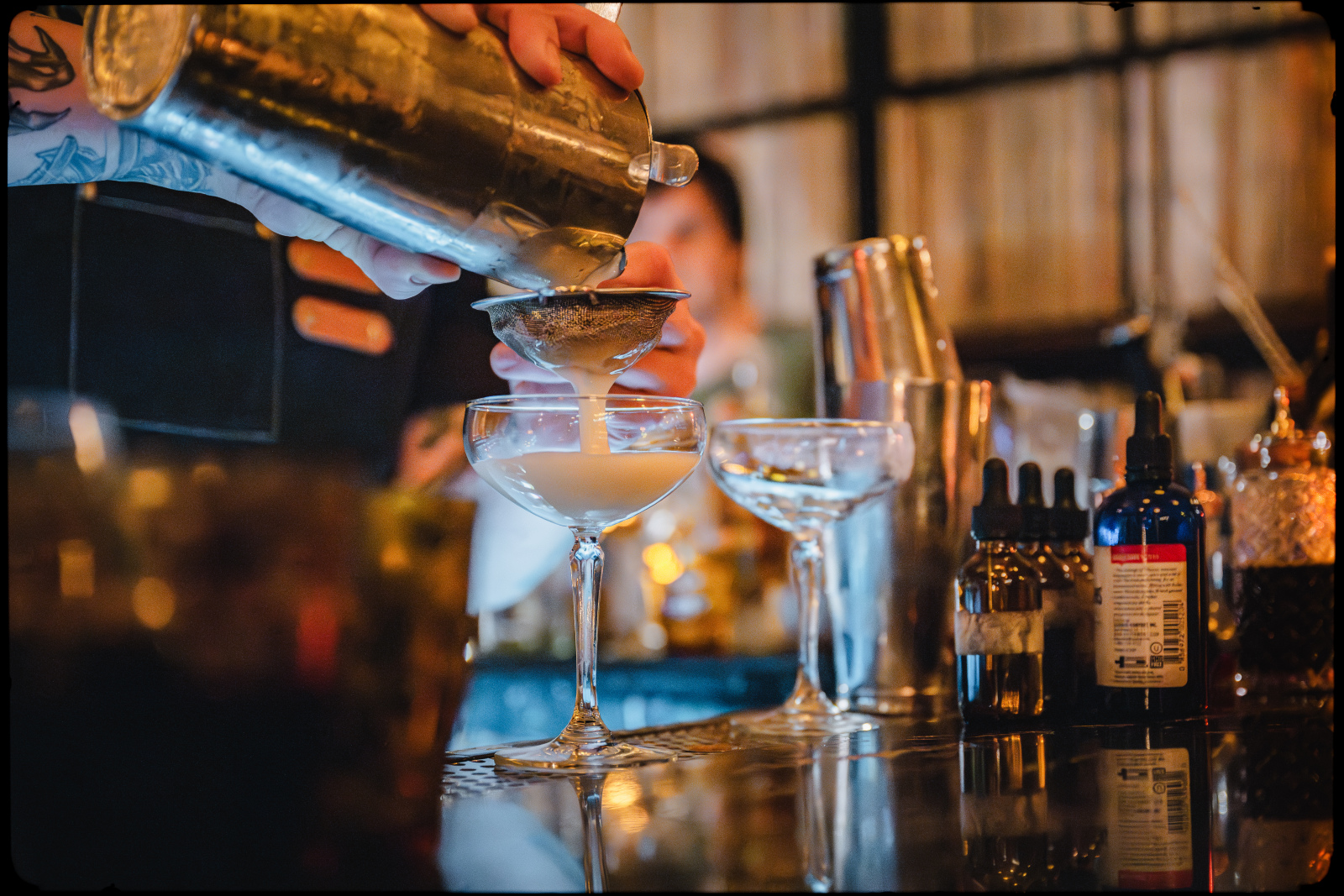
NYC in 2026
New York now has more listening bars than any city in the country outside of perhaps Los Angeles. Brooklyn alone is home to at least half a dozen serious ones, each with its own identity and audience.
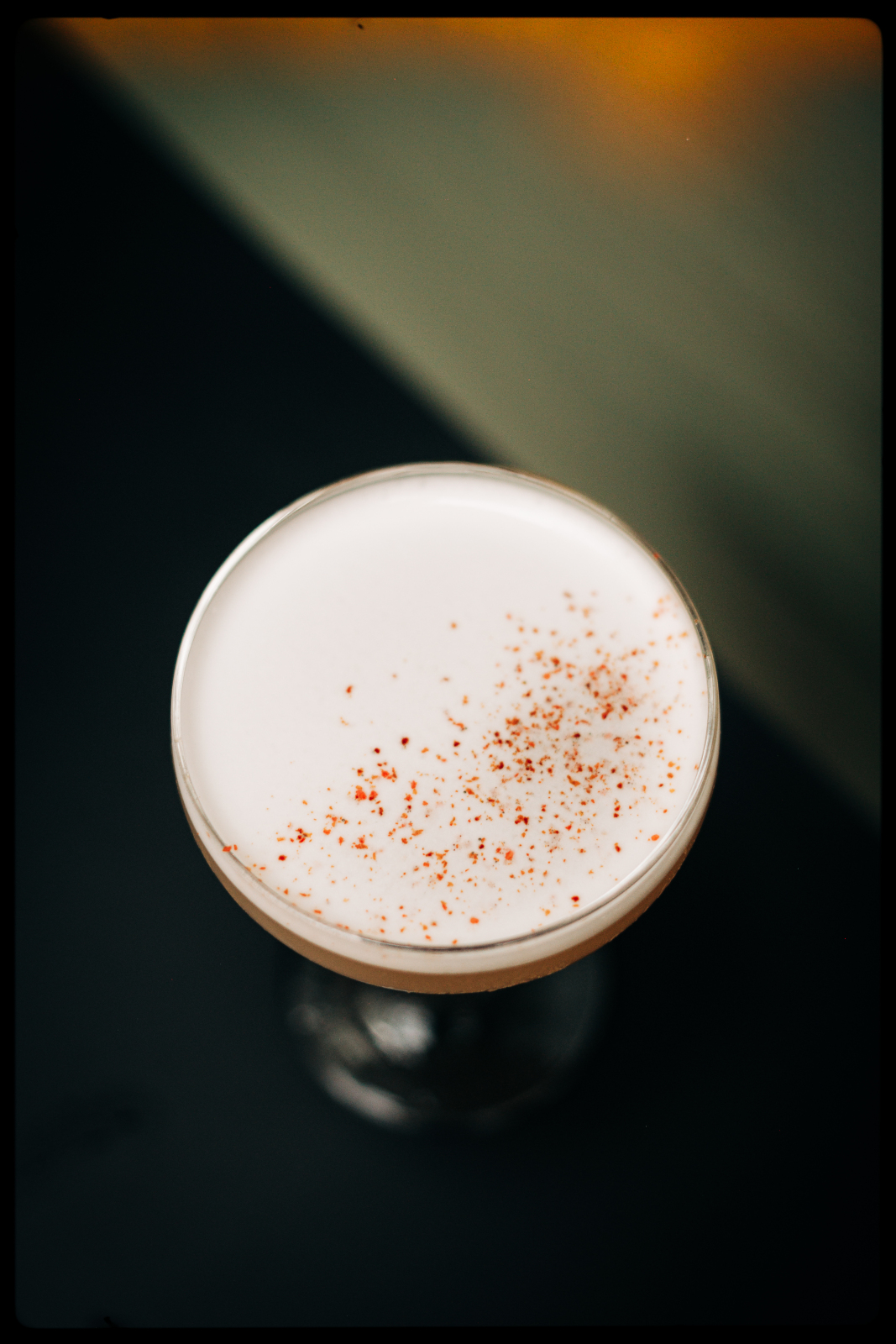
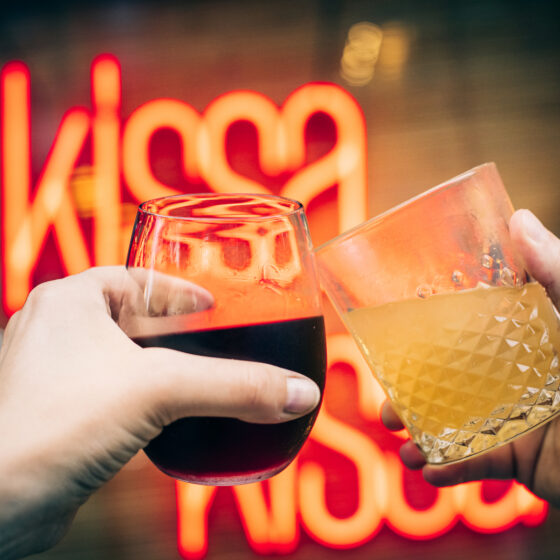
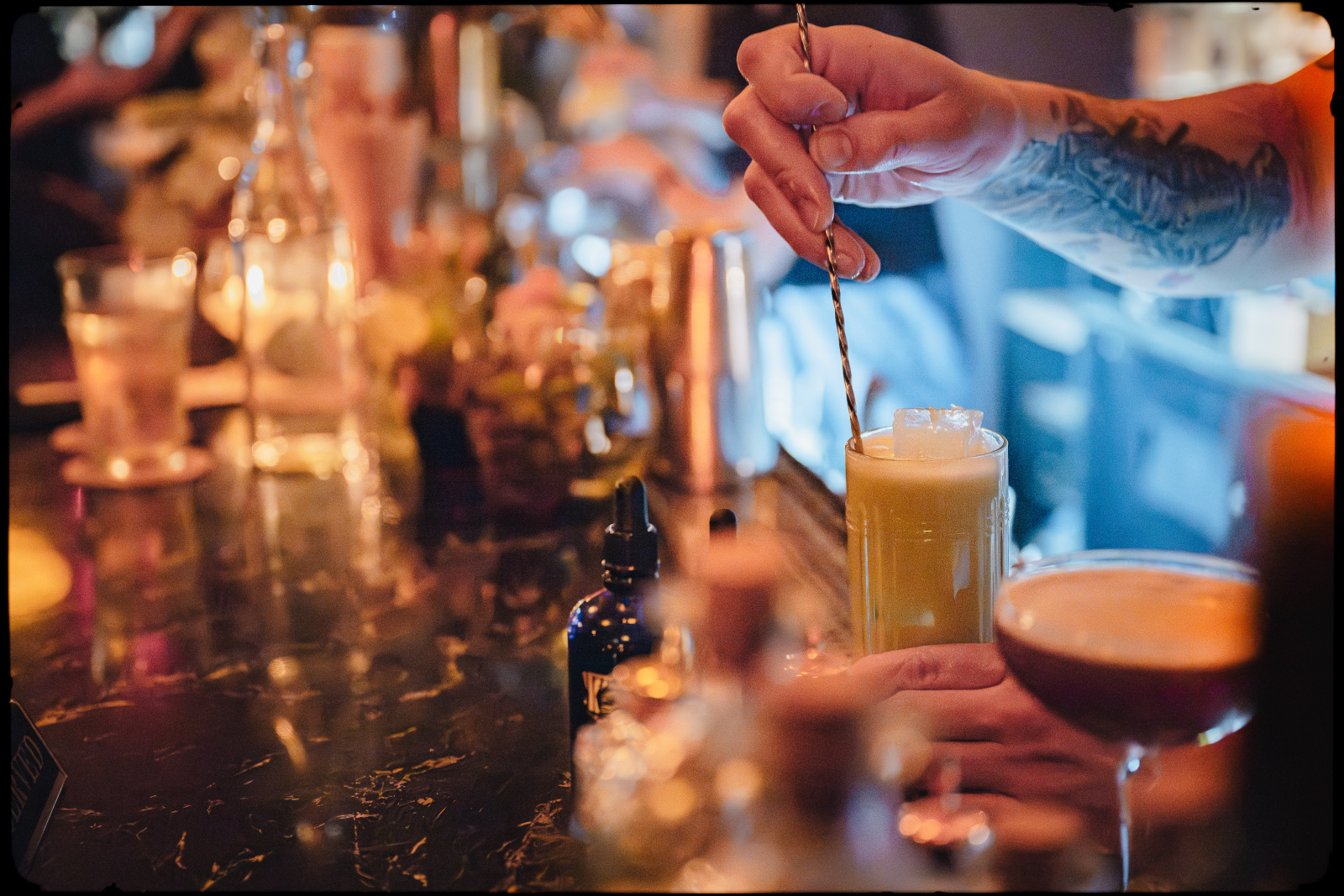
Kissa Kissa occupies a unique position as the only listening bar in the city — and the country — exclusively dedicated to jazz vinyl, with an emphasis on the golden era of sounds recorded between the 1950s through the 1970s. While other venues program broadly across genres, Kissa Kissa’s devotion to a single tradition gives it a depth and focus that no competitor can match, to say nothing of the world class collection of globally sourced LPs currently clocking in at over 5,300 records. The original oil paintings by co-founder Nina Barry and a cocktail menu inspired by jazz standards complete an experience that goes far beyond just playing records.
Why It Is Not a Fad
The listening bar concept taps into something deeper than novelty. It offers a genuine alternative to the dominant mode of music consumption — algorithmic, fragmented, and solitary. In a listening bar, music is communal, curated by a human, and experienced through a physical medium that demands a different kind of attention. That is not a trend. It is a counter-movement.
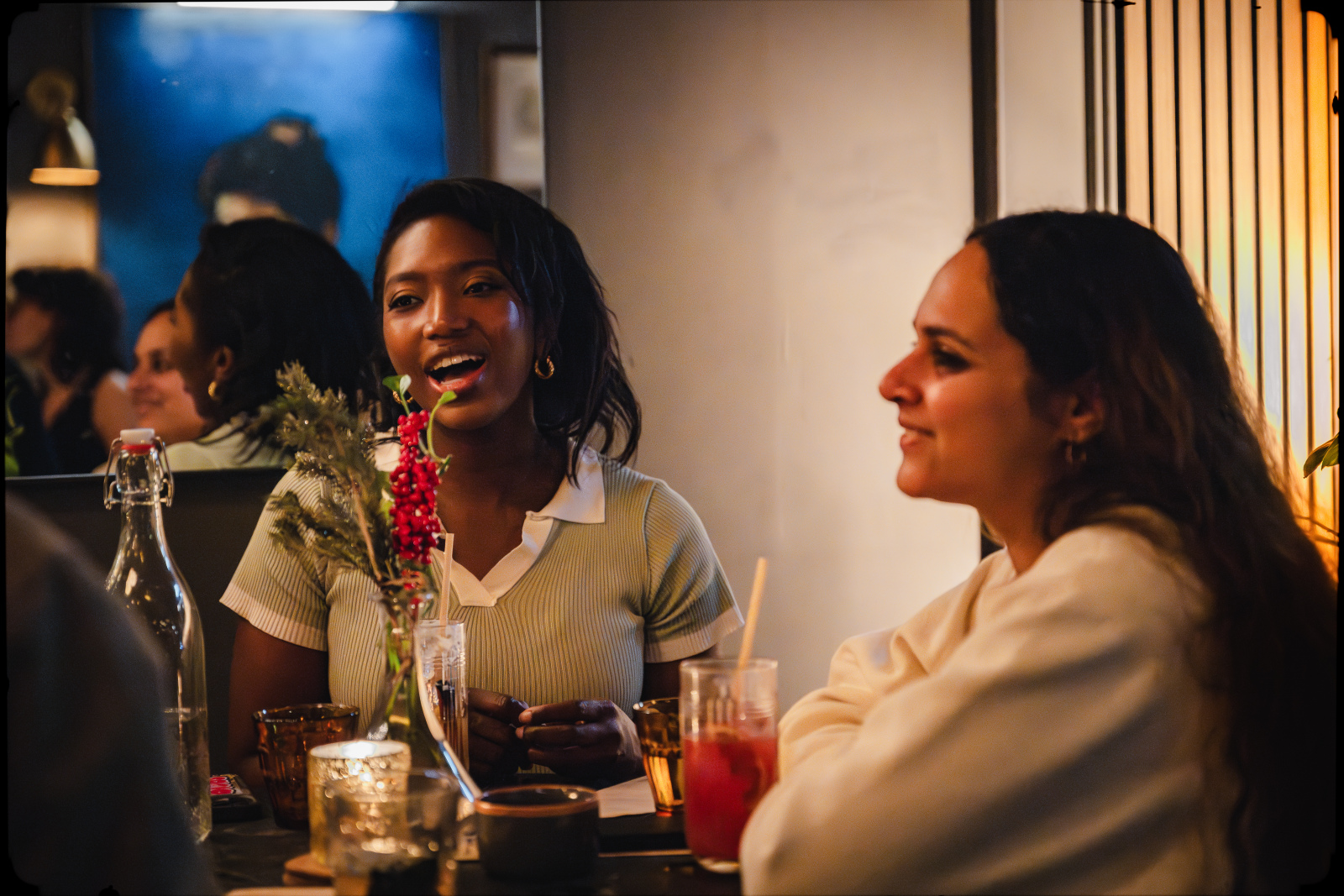
Japan’s jazz kissas have been operating for nearly a century. There is no reason the American version cannot build similar longevity, as long as the spaces stay true to what makes them special: great sound, thoughtful curation, and an environment that treats music as something worth your full attention.
Experience What Makes a Listening Bar Worth the Name
667 Franklin Avenue · Crown Heights, Brooklyn
Open seven nights a week.