LISTEN TO THE EPISODE
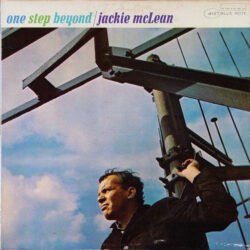
On April 29, 1964, Wayne Shorter walked into Rudy Van Gelder’s studio with six original compositions and a rhythm section borrowed from John Coltrane’s quartet — McCoy Tyner, Reggie Workman, and Elvin Jones — plus Lee Morgan on trumpet. The result was Night Dreamer, an album that announced Shorter as jazz’s most important new compositional voice. Alfred Lion wasn’t just assembling great players — he was putting Shorter in conversation with the most advanced rhythm section in jazz.
In this episode of Deep in the Stacks, we explore how Shorter’s gift for writing melodies that sound ancient and futuristic at the same time set him apart from every other hard bop composer of his era — and launched a body of work that would reshape jazz for the next sixty years.
THE RECORD

ABOUT THE ARTIST
Wayne Shorter
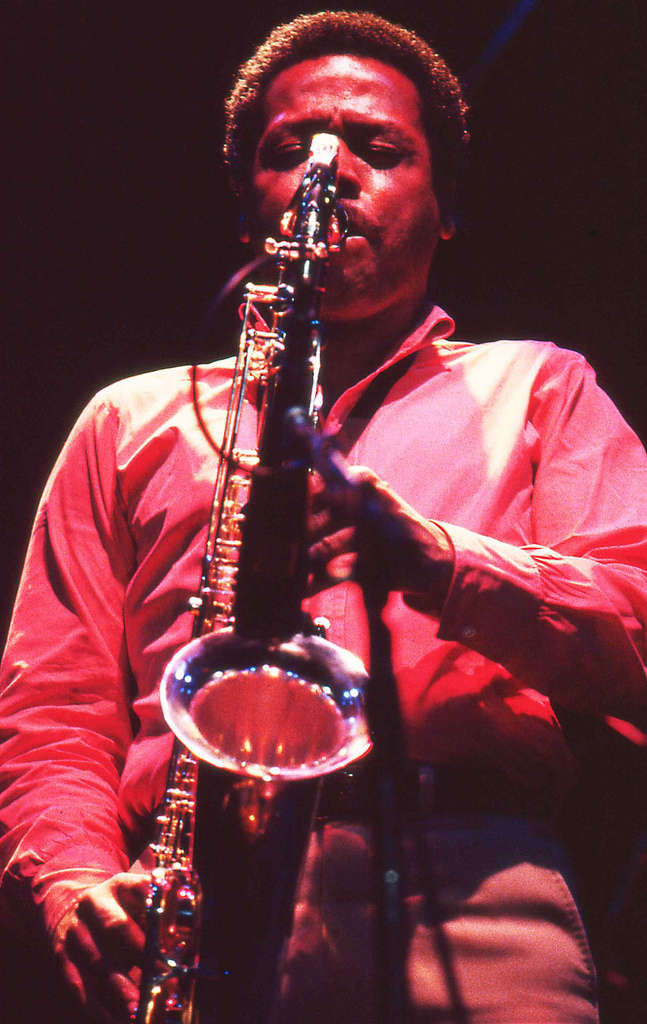
Wayne Shorter (1933–2023) spent four years with Art Blakey’s Jazz Messengers before launching his career as a leader with a remarkable string of Blue Note albums in the mid-1960s. Night Dreamer was his first for the label, followed by JuJu (1964), Speak No Evil (1965), and Adam’s Apple (1966) — each one pushing jazz composition into new harmonic territory. His writing bypassed the blues changes and rhythm changes that defined hard bop, constructing harmonic puzzles that left space for mystery.
In 1964, Shorter joined Miles Davis’s second great quintet, where his compositions — “Footprints,” “Nefertiti,” “E.S.P.” — became the backbone of some of the most adventurous studio albums in jazz history, including Davis’s E.S.P. and Nefertiti. After Davis, Shorter co-founded Weather Report with Joe Zawinul, steering jazz fusion through the 1970s and ’80s. He continued performing and composing into his final decade, earning twelve Grammy Awards and the recognition as one of the most consequential composers in American music.
SESSION DETAILS
Recorded
April 29, 1964
Studio
Van Gelder Recording Studio
Englewood Cliffs, NJ
Producer
Alfred Lion
Engineer
Rudy Van Gelder
Personnel
Lee Morgan — trumpet
McCoy Tyner — piano
Reggie Workman — bass
Elvin Jones — drums
WHY THIS ALBUM MATTERS
Night Dreamer matters because it's the album where Wayne Shorter formally arrived as a Blue Note leader and started writing the modal-jazz vocabulary he would later bring to the Miles Davis Quintet. Recorded in April 1964, three months before he joined Miles, the session pairs him with Lee Morgan, McCoy Tyner, Reggie Workman, and Elvin Jones — effectively half of Coltrane's quartet plus the trumpet star of Blue Note's hard-bop years. The six Shorter originals here ("Black Nile," "Virgo," the title track) became repertoire pieces. This is the moment a sideman became one of the most important composers in postwar jazz, and it is the gateway to everything that followed — Speak No Evil, Adam's Apple, JuJu, and the Miles years.

Side 1

Side 2
Blue Note BLP 4173 · Original mono pressing
Every episode, free to stream.
Listen to Deep in the Stacks wherever you get your podcasts, or visit us at Kissa Kissa in Crown Heights.