

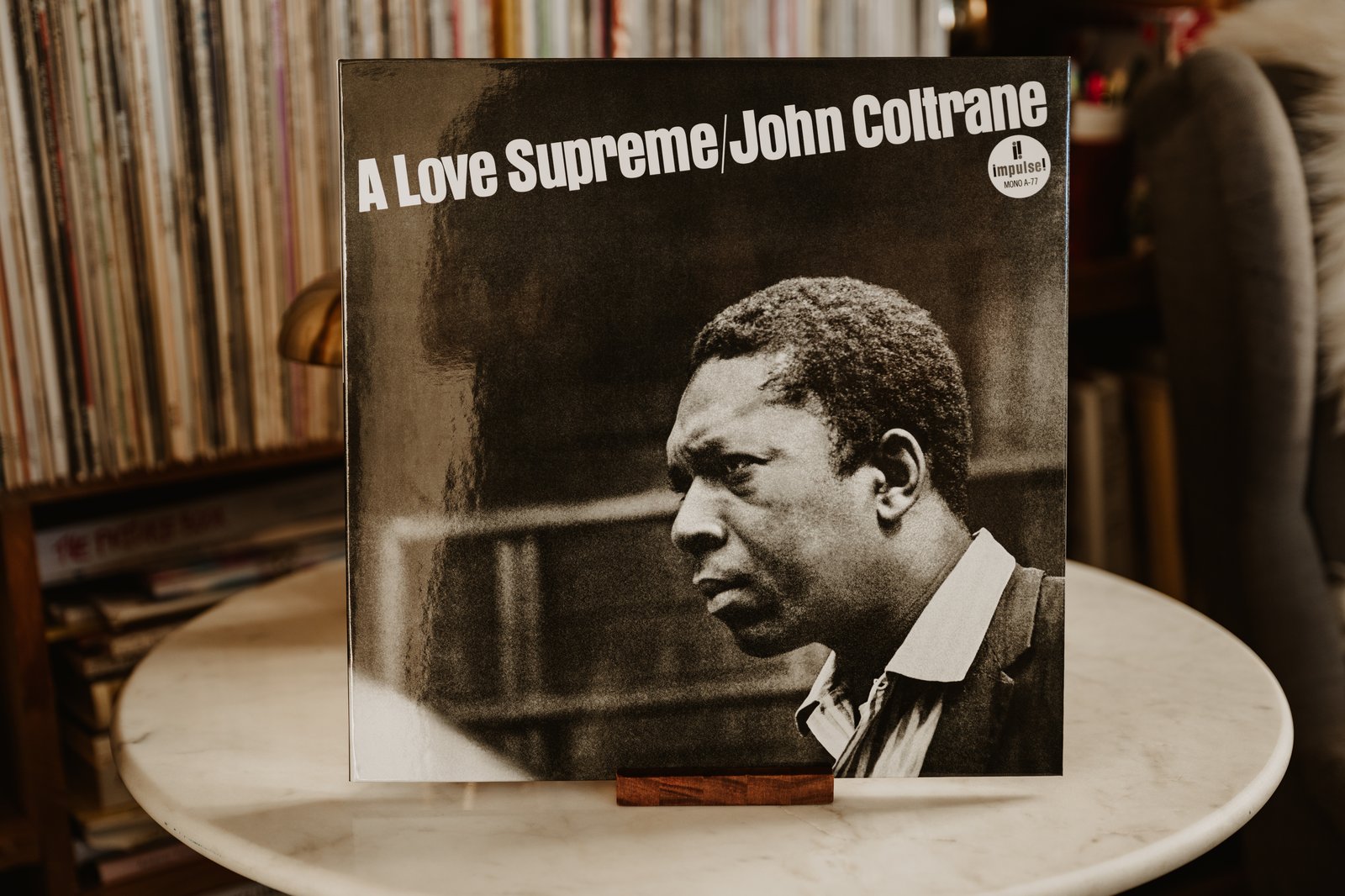
There are a small number of recordings in jazz that exist beyond criticism, beyond ranking, beyond the ordinary vocabulary of music writing. A Love Supreme is one of them. Recorded on December 9, 1964, in a single session at Rudy Van Gelder’s studio in Englewood Cliffs, New Jersey, it is a four-part suite — part prayer, part declaration, part musical autobiography — that changed what a jazz album could be and what it could mean.
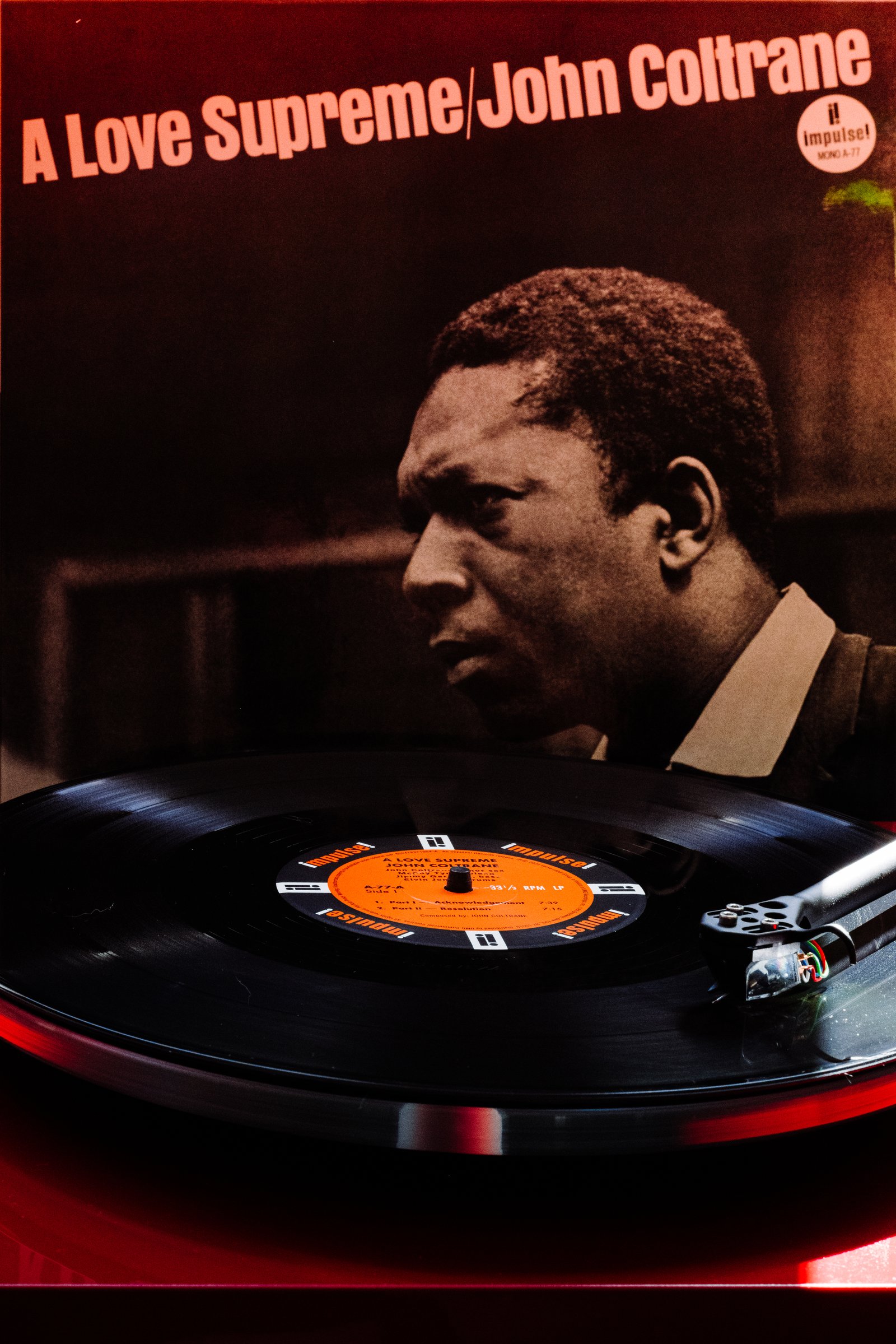
Tonight, for Verve Mondays, Kissa Kissa is playing the new mono pressing — the first time A Love Supreme has ever been issued in mono on vinyl. This is part of the Coltrane 100 centennial celebration marking what would have been John Coltrane‘s 100th birthday, and it is faithfully mastered from the original analog tapes. In mono, the quartet sits in the room with you. There is no stereo field to parse, no spatial separation between the instruments. Just four musicians breathing as one.
We close the opening month of Verve Mondays with this one — and there is no other way we would have wanted to end April.
One Session. Four Movements. A Lifetime of Searching.
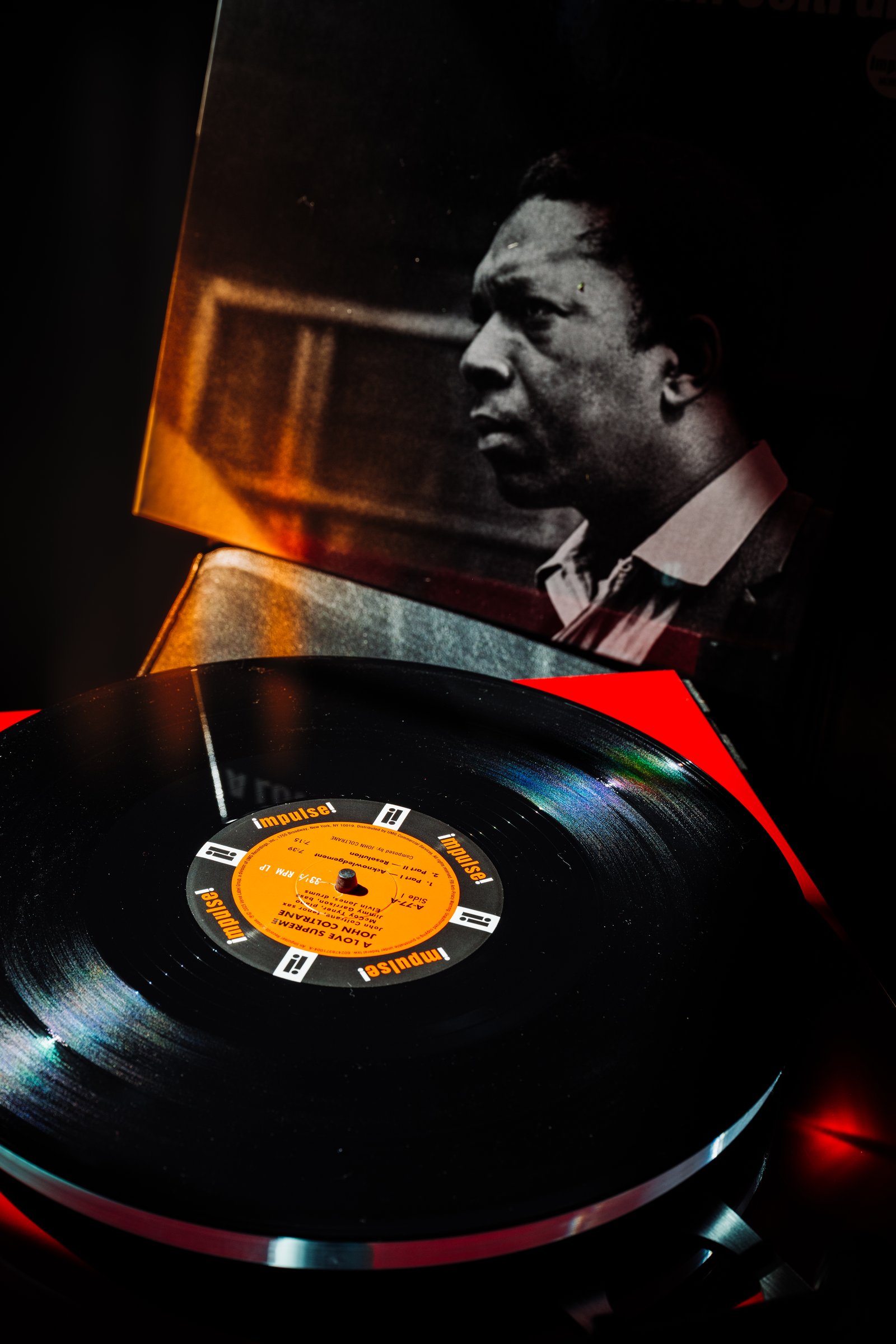
John Coltrane walked into Van Gelder Studio that December afternoon with a handwritten poem, a four-part compositional outline, and what he described as a spiritual awakening he had experienced in 1957 — one that pulled him out of heroin addiction and toward a devotional relationship with music that would define every note he played for the rest of his life.
With him were the three musicians who had become the greatest working quartet in jazz: McCoy Tyner on piano, Jimmy Garrison on bass, and Elvin Jones on drums. They had been playing together for three years — more than 200 nights a year, every year — and the communication between them had become something beyond rehearsal. It was instinct. It was devotional. It was the sound of four people who had given their entire professional lives to this single organism.
They recorded the suite in essentially one take. Producer Bob Thiele pressed record. Rudy Van Gelder ran the board. And John Coltrane played a prayer.
Acknowledgement. Resolution. Pursuance. Psalm.
“Acknowledgement” begins with a cymbal wash and a four-note bass figure from Jimmy Garrison that has become one of the most recognizable openings in all of music. Coltrane enters on tenor and develops the motif before chanting the words “a love supreme” — 19 times, in different keys, in a vocal overdub that sounds less like a musical gesture and more like an incantation. It is the declaration: this is what this music is about.
“Resolution” is the suite’s most conventionally swinging passage — a hard-bop melody built on McCoy Tyner’s modal voicings and Elvin Jones’s polyrhythmic tide. If “Acknowledgement” states the purpose, “Resolution” commits to it. The interplay is staggering. Four musicians at the absolute peak of a shared language they’d spent years building.
“Pursuance” opens with an Elvin Jones drum solo — thunderous, exploratory, building pressure like weather. When the quartet enters, the tempo is ferocious. This is Coltrane at his most intense, driving the saxophone past its conventional limits, reaching for something that conventional jazz vocabulary can’t quite name. The bass solo that follows is Jimmy Garrison at his most lyrical — a bridge between the fire of “Pursuance” and the devotion of what comes next.
“Psalm” is the final movement, and it is unlike anything else in jazz. Coltrane plays his handwritten poem on the saxophone — not singing the words, but shaping each phrase of his horn to follow the syllables and cadence of the text. It is a wordless recitation, a prayer performed on an instrument. The liner notes print the poem in full. When you follow along while listening, the correspondence between the words and the horn is unmistakable.

The gatefold interior: Coltrane’s poem and a charcoal illustration.
The First Mono Vinyl Pressing — Ever
When A Love Supreme was originally released in January 1965, Impulse! pressed it in both mono and stereo — standard practice for the era. But while the stereo version has been reissued dozens of times on vinyl over the past six decades, the mono mix has never been reissued on LP. Until now.
This Coltrane 100 mono pressing is mastered directly from the original analog tapes. No digital intermediary. No reprocessing. The mono mix collapses the quartet into a single channel — and in doing so, it collapses the distance between you and the music. There is no left speaker, no right speaker. There is just the room. Just four musicians standing in front of one microphone concept, playing as one.
For a record that is fundamentally about unity — spiritual unity, musical unity, the unity of four people breathing together — the mono mix is arguably the truer document. And on a system like ours, with the Harbeth speakers pulling every detail out of the grooves, the difference is not subtle.
Coltrane at Kissa Kissa
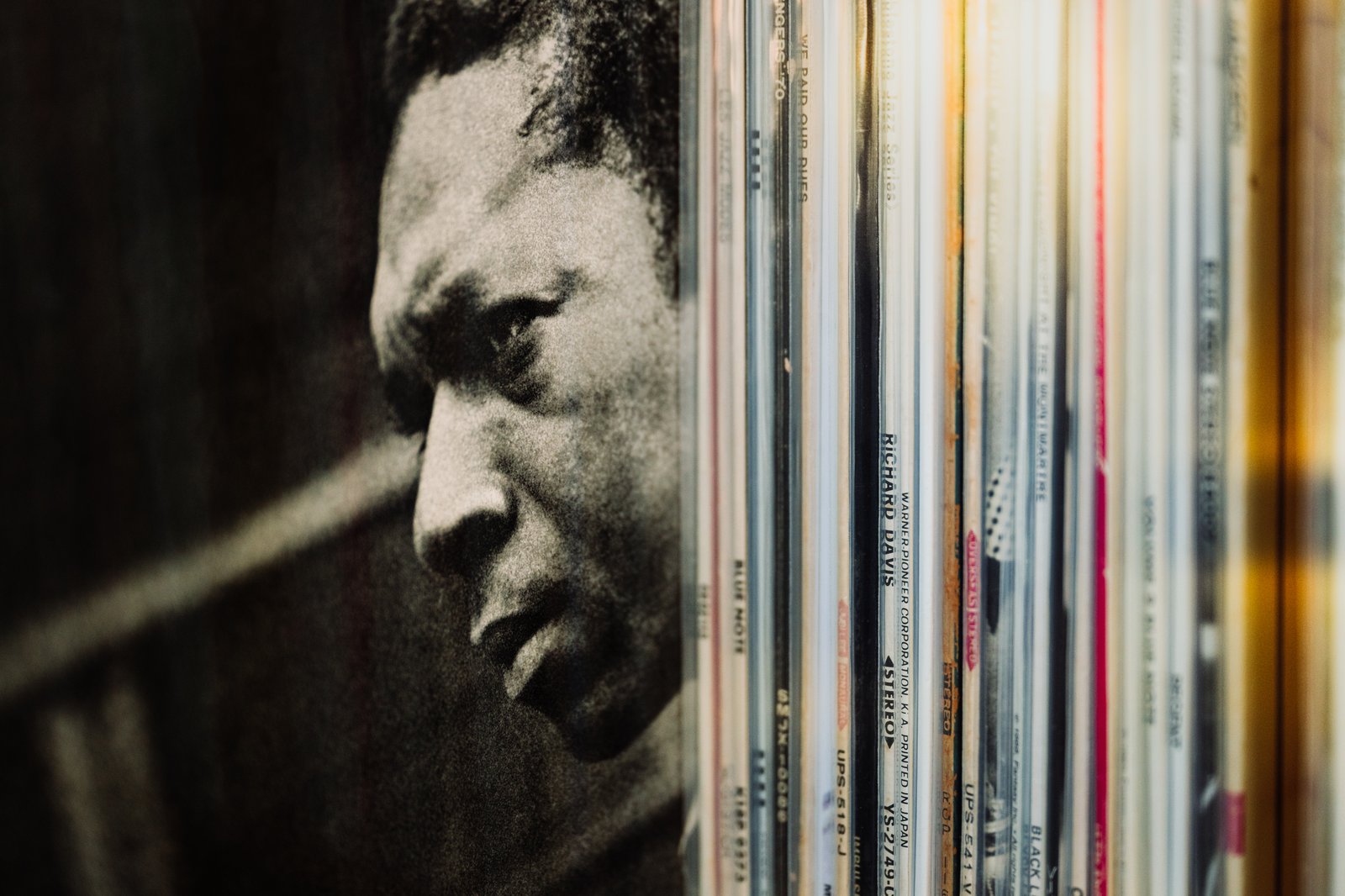
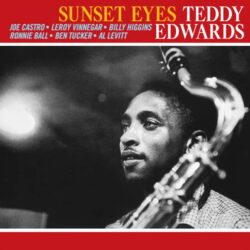
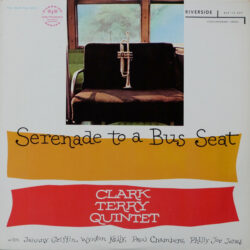
Kissa Kissa owns 79 John Coltrane records — more than any other artist in our library of more than 5,000 LPs. The collection spans his entire career: the early Prestige sideman dates with Red Garland and Mal Waldron. The Atlantic records — Giant Steps, My Favorite Things, Ole Coltrane. The classic Impulse! quartet albums: Crescent, Ballads, Live at Birdland, A Love Supreme. The late spiritual explorations — Ascension, Meditations, Expression, Sun Ship. And the posthumous discoveries: Both Directions at Once, Blue World, Evenings at the Village Gate with Eric Dolphy.
Tonight’s session is part of the Coltrane 100 celebrations — the centennial of Coltrane’s birth on September 23, 1926. Across 2026, Impulse! and Verve are releasing a series of definitive reissues, and Kissa Kissa is honored to be the listening room for several of them. The mono A Love Supreme is the centerpiece of the program — the record that changed everything, in the format that brings you closest to the original session.
When we play it tonight, we will build the evening around it — starting with earlier Coltrane quartet records from the collection, working chronologically toward the December 1964 session, then playing A Love Supreme in full without interruption. After the album, the evening continues with the music that came next — the late-period records that A Love Supreme made possible.

Monday, April 27 · Doors at 5:30pm
We open at 5:30pm with a warm-up program drawn from the 79 Coltrane records in our library — drawn from his early Prestige sessions through the Atlantic records and into the classic Impulse! quartet period — as well as important work from the sidemen on this LP. Around 7:30, we play A Love Supreme: the mono pressing, from the top, all four movements, without interruption. “Acknowledgement.” “Resolution.” “Pursuance.” “Psalm.” The whole devotion.
After the album, the evening continues with selections from the music that followed — the late spiritual explorations, the Alice Coltrane and Pharoah Sanders records that carried the torch, and the sidemen albums from McCoy Tyner, Elvin Jones, and Jimmy Garrison that kept this language alive. This is how a jazz kissa works: one album becomes the seed for a whole evening of connected listening.
The Verve 70 cocktail — our Monday-only signature drink, a kissa-style French 75 with Song Cai floral gin, housemade sage lavender syrup, lemon, and prosecco — is pouring all night. So is the full bar menu. The room is small. Reservations are strongly recommended for this one.

The most important recording in jazz history,
in mono, on vinyl, in a room built to hear it.
667 Franklin Avenue · Crown Heights, Brooklyn. No cover. Reservations encouraged.