LISTEN TO THE EPISODE
Before Charles Earland ever touched an organ, he was a saxophonist in a Philadelphia high school band that also featured Pat Martino on guitar, Lew Tabackin on tenor, and Frankie Avalon on trumpet. He switched instruments after watching Jimmy McGriff work the Hammond night after night, teaching himself organ by observation alone. By 1970, he had developed his own sound — lighter and more agile than McGriff or Jimmy Smith, with one of the best walking-bass pedal techniques in the business.
In this episode of Deep in the Stacks, we dig into Black Drops — Earland’s Prestige debut with a stacked six-piece unit featuring Jimmy Heath and Virgil Jones, a record that hit the Billboard charts and proved a soul-jazz organ album could swing hard without dumbing anything down.
THE RECORD

ABOUT THE ARTIST
Charles Earland
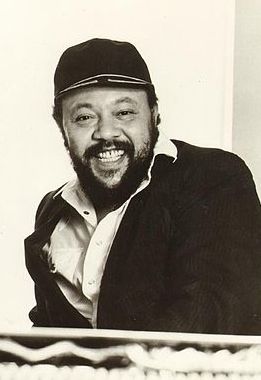
Charles Earland (1941–1999) picked up the tenor saxophone as a teenager in Philadelphia and was gigging professionally before he finished high school — in a band that happened to include Pat Martino and Lew Tabackin. After joining Jimmy McGriff‘s organ combo at seventeen, Earland switched to Hammond full-time, teaching himself by watching McGriff night after night. By the late sixties he was a first-call session player, appearing on Lou Donaldson’s Everything I Play Is Funky and other Blue Note dates.
His Prestige debut, Black Drops (1970), hit the Billboard charts and established him as a leader. The follow-up, Black Talk!, went even further — reaching number nineteen on the R&B chart and becoming one of the best-selling jazz organ records of its era. Through the seventies, Earland moved between soul jazz, funk, and fusion, recording prolifically for Prestige, Mercury, and Columbia. His organ style — lighter-touch, fleet, and built on a formidable walking-bass pedal technique — set him apart from the heavier attack of Jimmy Smith and the grittier sound of McGriff.
Earland continued performing and recording through the eighties and nineties, returning to a straight-ahead organ trio format that recalled his earliest work. He died of heart failure in 1999 at fifty-eight, leaving behind a catalog that bridged the organ-trio tradition and the emerging sound of jazz-funk. Explore more episodes.
SESSION DETAILS
Recorded
June 1, 1970
Studio
Van Gelder Recording Studio
Englewood Cliffs, NJ
Producer
Bob Porter
Engineer
Rudy Van Gelder
Personnel
Virgil Jones — trumpet
Jimmy Heath — tenor & soprano saxophone
Clayton Pruden — trombone
Maynard Parker — guitar
Jimmy Turner — drums
WHY THIS ALBUM MATTERS
Black Drops matters because it captures Charles Earland deepening the groove vocabulary that had broken him through on Black Talk! earlier the same year. The expanded horn section — Virgil Jones on trumpet, Jimmy Heath doubling tenor and soprano, Clayton Pruden on trombone — pushes the record beyond the standard organ-trio format toward something closer to a small big band, with Earland's left-foot bass line driving every chart. The session is one of the late-period documents of Prestige's transition from a hard-bop catalog to a soul-jazz label, recorded at Rudy Van Gelder's studio with the dry, present sound that defined the era. Sample-hunting DJs and acid-jazz revivalists have been mining records like this for decades, but the original chart writing still rewards a straight listen.

Side 1

Side 2
Prestige PRST 7815 · Original pressing
Every episode, free to stream.
Listen to Deep in the Stacks wherever you get your podcasts, or visit us at Kissa Kissa in Crown Heights.