
Liana Flores Plays And so it goes…
Liana Flores releases And so it goes… on Friday, September 4.
On Thursday the 3rd she’s in Crown Heights, playing it start to finish on our system. Then she stays and plays records: her own Brazilian favorites, pulled off our shelves.
It’s her first record for Verve Records since flower of the soul in 2024, Thursday you hear the whole thing the night before it arrives.
Bossa nova meets pop
Verve describes the EP as bossa nova and Brazilian pop with an indie, folk-y spin — finger-picked guitar and gossamer bossa vocals at one end, upbeat funk inflections and Carole King-shaped folk storytelling at the other.
Flores puts it more plainly. “This record is the story of the country girl moving to the city,” she said when it was announced. “It’s bossa nova meets pop, inspired by the people, relationships and glamour of city life.”
Six songs, cut in Los Angeles
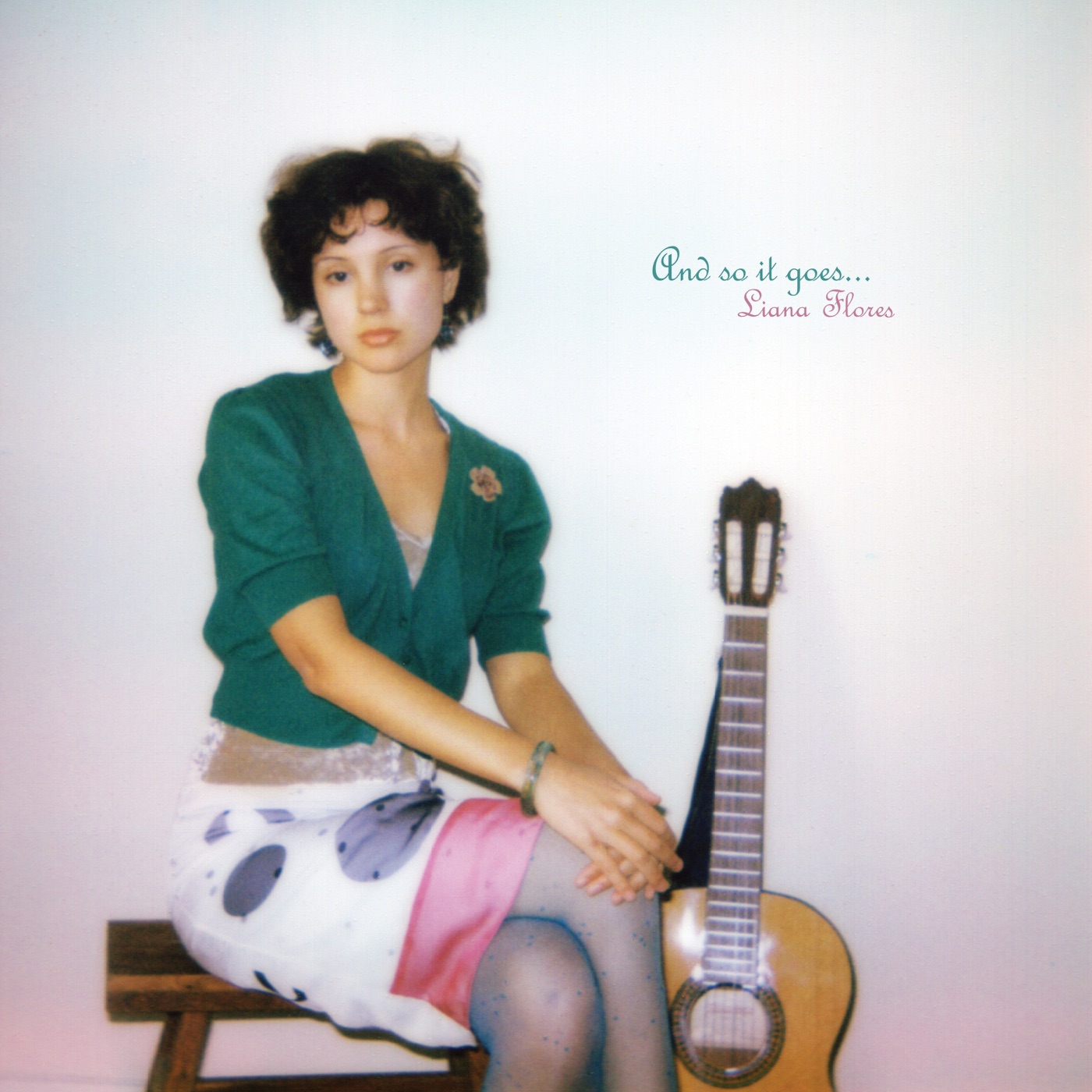
Flores wrote all six and produced the record with Paul Butler, who mixed it as well. They cut it at Swandive Sound and P.A.N. Studios in Los Angeles, Heba Kadry mastered it in New York, and Sophia Poole did the artwork.
Side B of the LP holds no music at all. It’s an etching.
Two of the six are already out. “So it goes” arrived in June, “Silvershoes” at the end of July. “I wanted to challenge myself to write songs with strong melodies that would be fun to sing,” Flores said when the EP was announced. Of the first single: “The song is about how you could be dealing with anything on the inside, but the world goes on as usual anyway.”
Norfolk, by way of Brazil
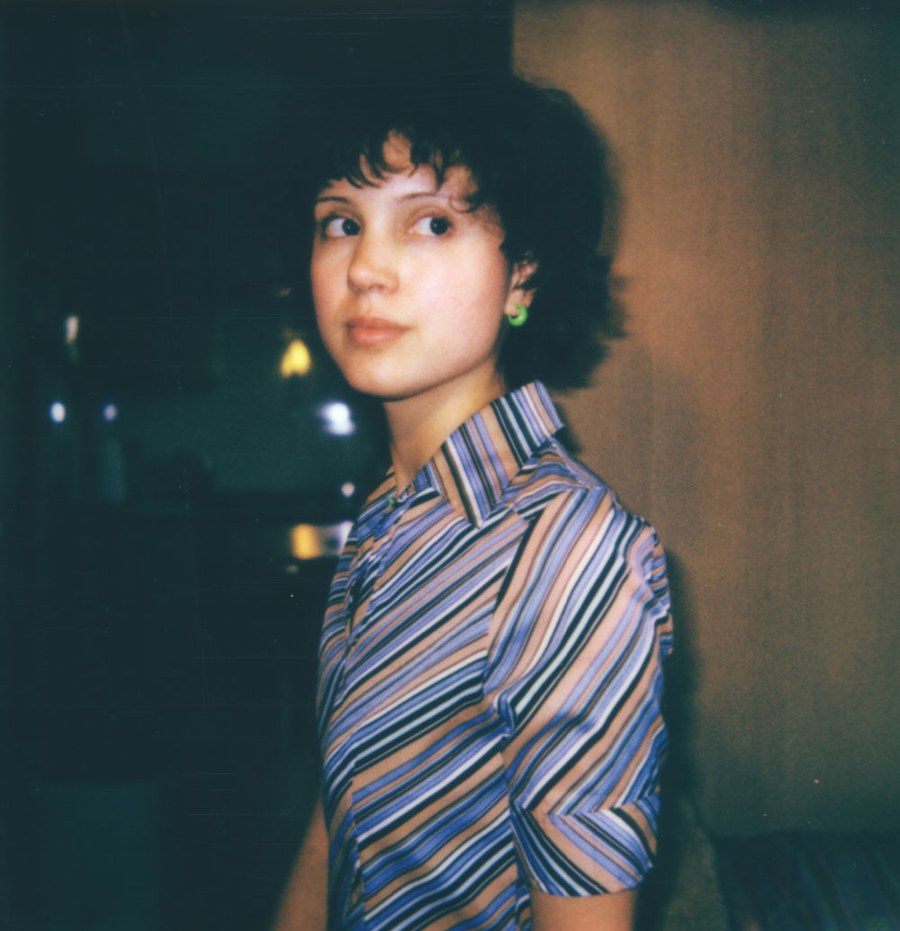
Flores was born in London to a Brazilian mother and a British father, and grew up in rural South Norfolk. Her mother played João Gilberto and Gal Costa and Caetano Veloso around the house. But she wasn’t raised speaking Portuguese and didn’t get to Brazil often, so the records ended up doing a job the geography couldn’t. “Getting really into that music was a way of being in touch with Brazilian culture,” she told The Line of Best Fit, “in a quite accessible way.”
She picked up a guitar in her mid-teens for the specific purpose of playing those songs. Before that there had been a compulsory primary-school choir and some piano lessons she quit.
She started out posting ukulele covers to YouTube under the name Ukulili, and put out two EPs on her own: The Water’s Fine! in 2018 and Recently the year after. In 2019 she released a song called “rises the moon.” But two years later it went around TikTok, and by February 2024 it had been certified platinum. She was finishing a zoology degree at St Andrews while that happened, and took first-class honors. She signed to Verve later that year.
She cites Caetano Veloso, Astrud Gilberto and Gal Costa on one side, Vashti Bunyan and Nick Drake and Joan Baez on the other. Both halves of that lineage sing barely above a murmur, and she has inherited the charm of it from both sides at once. Her own account of the debt is more practical. “I like that both of them can be carried by just a voice and guitar,” she told WXPN. “It’s really important to me in writing and performance.”
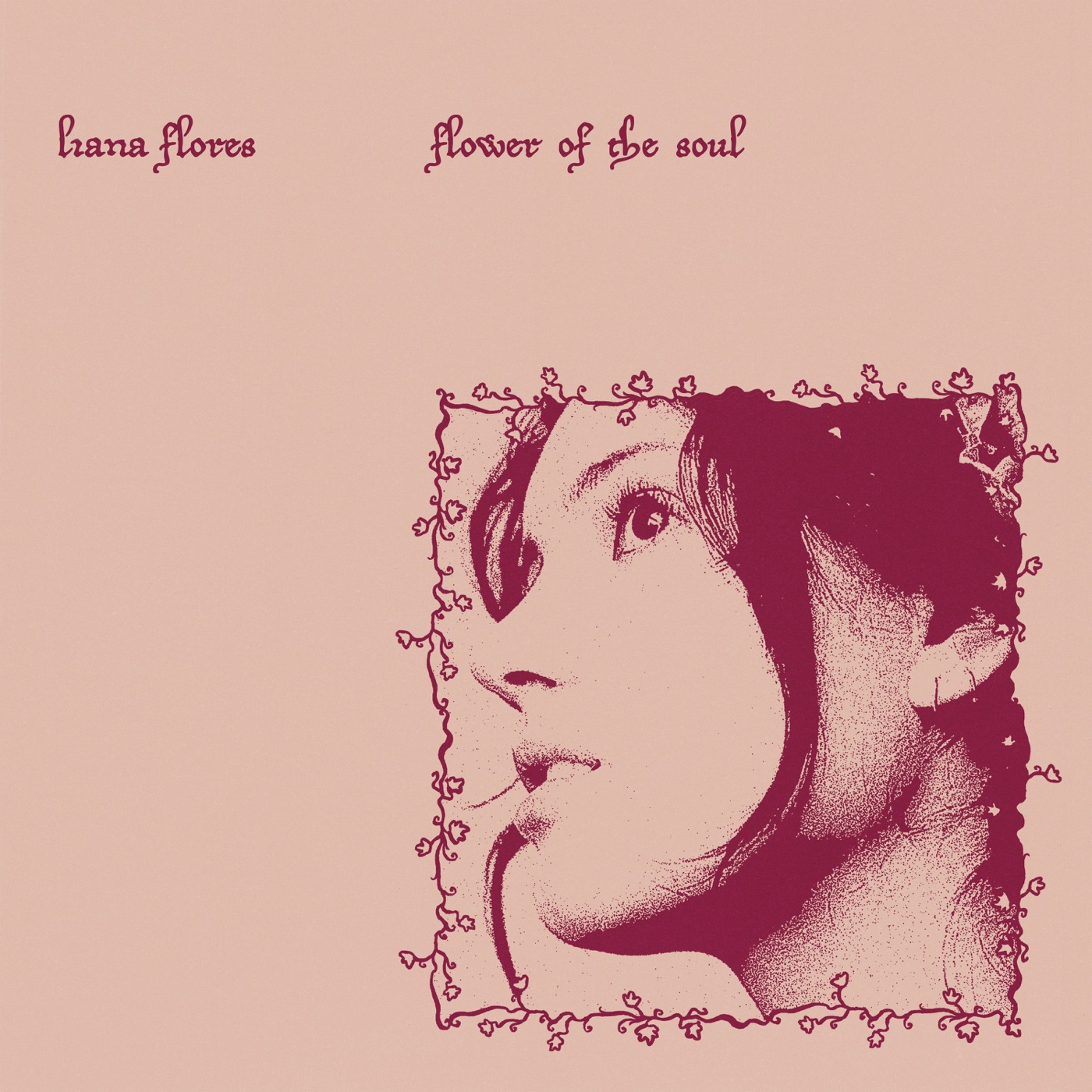
flower of the soul
Her debut album arrived in June 2024, her first full-length for Verve after two independent EPs and a run of singles.
A short history of bossa nova
The music on Flores’s mother’s shelves started in Rio in the late 1950s, and a lot of it runs back to one guitarist. Antônio Carlos Jobim wrote “Chega de Saudade” to a lyric by Vinícius de Moraes. Elizeth Cardoso recorded it first, in 1957, with João Gilberto playing guitar on the session, and almost nobody noticed. Gilberto cut his own version the next year and that one landed. The album followed in April 1959.

The guitar is what changed. Gilberto worked out a right-hand pattern that folded an entire samba percussion section into one nylon-string instrument, the thumb holding a bass pulse where the surdo would sit, the fingers scattering syncopated chords where the tamborim and the ganzá and the agogô would. The guitarist Oscar Castro-Neves said Gilberto “imitated a whole samba ensemble, with his thumb doing the bass drum, and his fingers doing the tamborims and ganzás and agogôs.”
Then there was the singing. Brazilian radio before him ran on big theatrical crooning, heavy with vibrato. Gilberto dropped all of it for something close to a whisper, conversational and nearly flat, which the microphones of the period had only recently made possible. Every singer in this post is downstream of that one decision.
Verve made it global. Stan Getz and João Gilberto recorded Getz/Gilberto over two days in March 1963 at A&R Recording in New York, with Jobim at the piano, Sebastião Neto on bass and Milton Banana on drums, Creed Taylor producing and Phil Ramone engineering. Astrud Gilberto was in the room as her husband’s translator and had never sung professionally. She was also the only person there who could deliver the English lyric idiomatically, so she sang it.
The record came out in March 1964 and took Album of the Year at the Grammys the following April. “The Girl from Ipanema” took Record of the Year and reached number five on the Hot 100 that July. Astrud made four more albums for Verve between 1965 and 1967.
One distinction is worth drawing, since Flores names all of them in one breath. Astrud and João Gilberto are bossa nova in the strict sense. Gal Costa and Caetano Veloso are the generation that came out of it and went somewhere much louder, and their joint debut Domingo, in 1967, tends to get described as the quiet before Tropicália.
That line reaches Thursday more directly than you would guess. In May, Flores released a song called “Midnight Lullaby” with Muca and Roberto Menescal, who wrote “O Barquinho” and was part of the Rio scene where all of this began. And the label putting out her EP on Friday is the same label that released Getz/Gilberto in 1964, then reissued it as one of the first titles in its Acoustic Sounds audiophile series in 2020.
Doors 5:30. Kenneth Dillon from 7:30.
Doors at 5:30, and the listening happens early, while the room is still quiet enough to hear it properly.
After the EP, Flores plays her own selections. At 7:30 guest selector Kenneth Dillon takes over for the rest of the evening.
Free. No cover, no ticket, no minimum. Seating is limited by the size of the room.
What a jazz kissa is
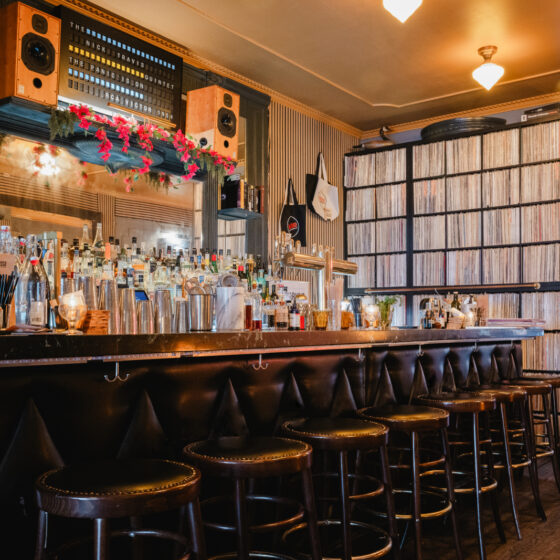
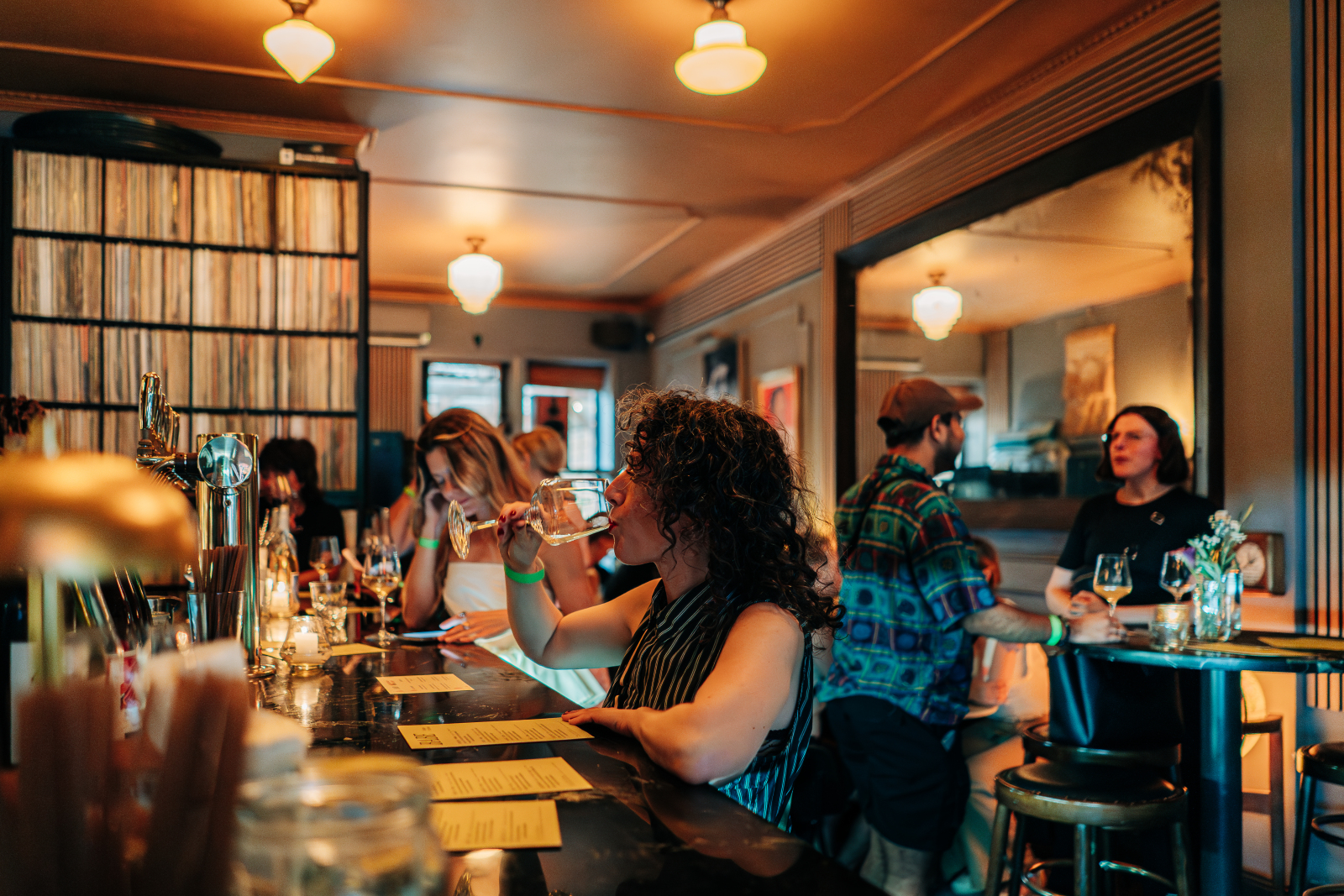
Kissa Kissa is a Japanese-style jazz kissa in Crown Heights: one room, all vinyl, all jazz, built around a sound system good enough to justify sitting still for.
People talk here. They just talk at the volume of the room, which is lower than most bars, and nobody has to shout over the music to be heard.
An advance listen with Liana Flores
667 Franklin Avenue, Crown Heights, Brooklyn. Free, no cover.