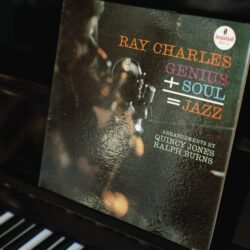

Five albums in a week. None of them have been on vinyl since.
In the last week of August 1965, Chet Baker walked into Rudy Van Gelder’s studio in Englewood Cliffs, New Jersey, with a quintet he barely knew and recorded five albums in three days. Baker was 35 years old. He was deep in a heroin habit. He had come back to the States after most of a decade scuffling through Europe, looking for something like a reset. He was also about a year away from the San Francisco beating that would knock out most of his teeth and nearly end his career.
None of that is on these records. What’s on these records is a working band catching fire.
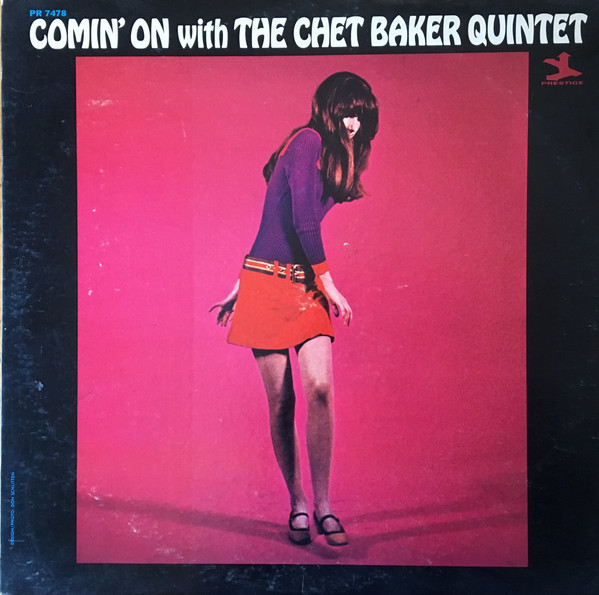
Bob Weinstock, the founder of Prestige Records, ran his label on a simple idea: book the best players you can afford, put them in a room with Van Gelder, press record, and get out of the way. That’s how Miles Davis made Cookin’, Relaxin’, Workin’, and Steamin’ in two afternoons in 1956. That’s how most of the greatest Prestige sides exist at all. And that’s what Baker and his quintet did in August ’65: five albums, one week, no second chances. The albums came out over the next couple of years as Boppin’, Smokin’, Groovin’, Comin’ On, and Cool Burnin’.
They have been essentially impossible to find on vinyl for more than fifty years.
Until now.
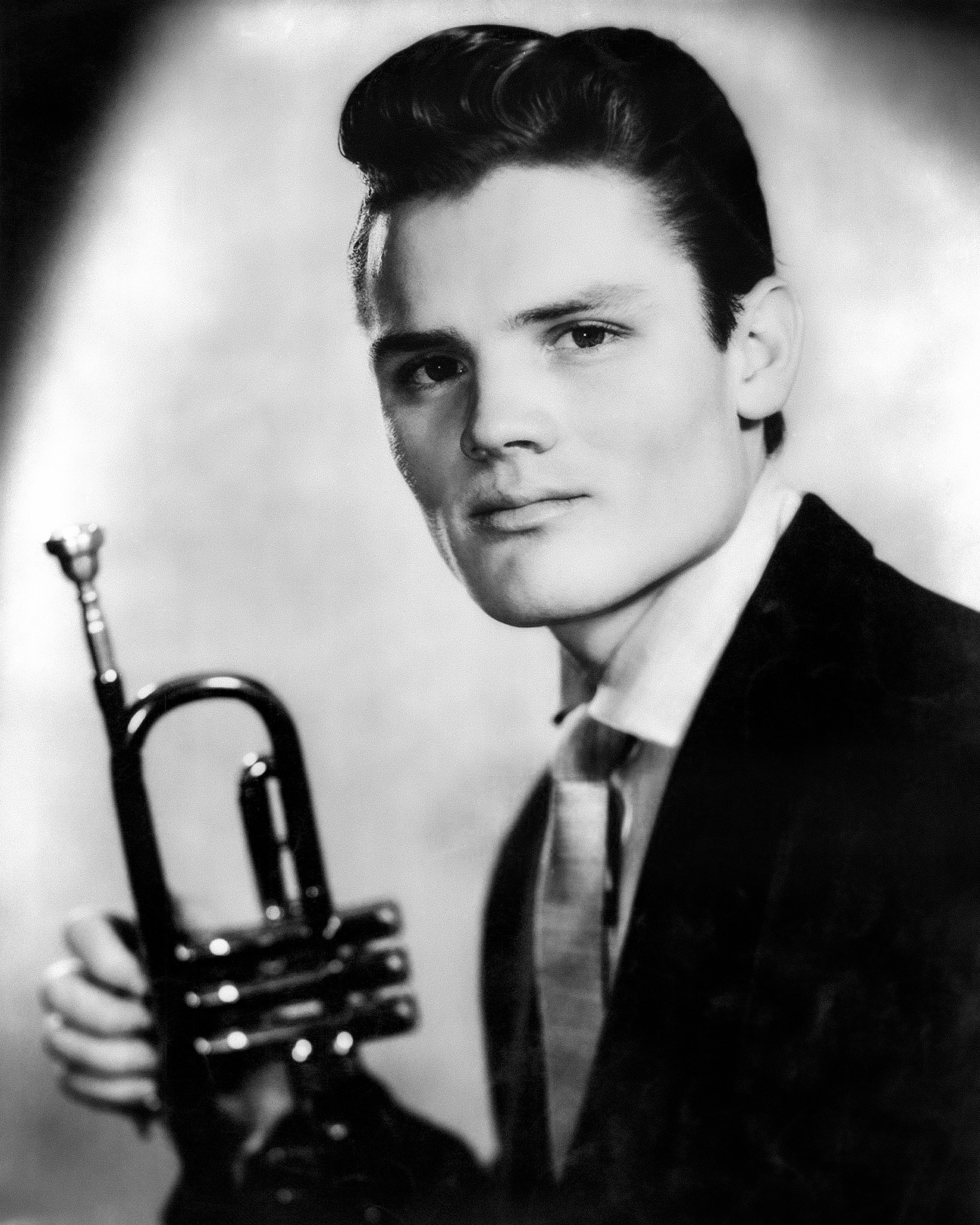
Kevin Gray mastered these from the original tape.
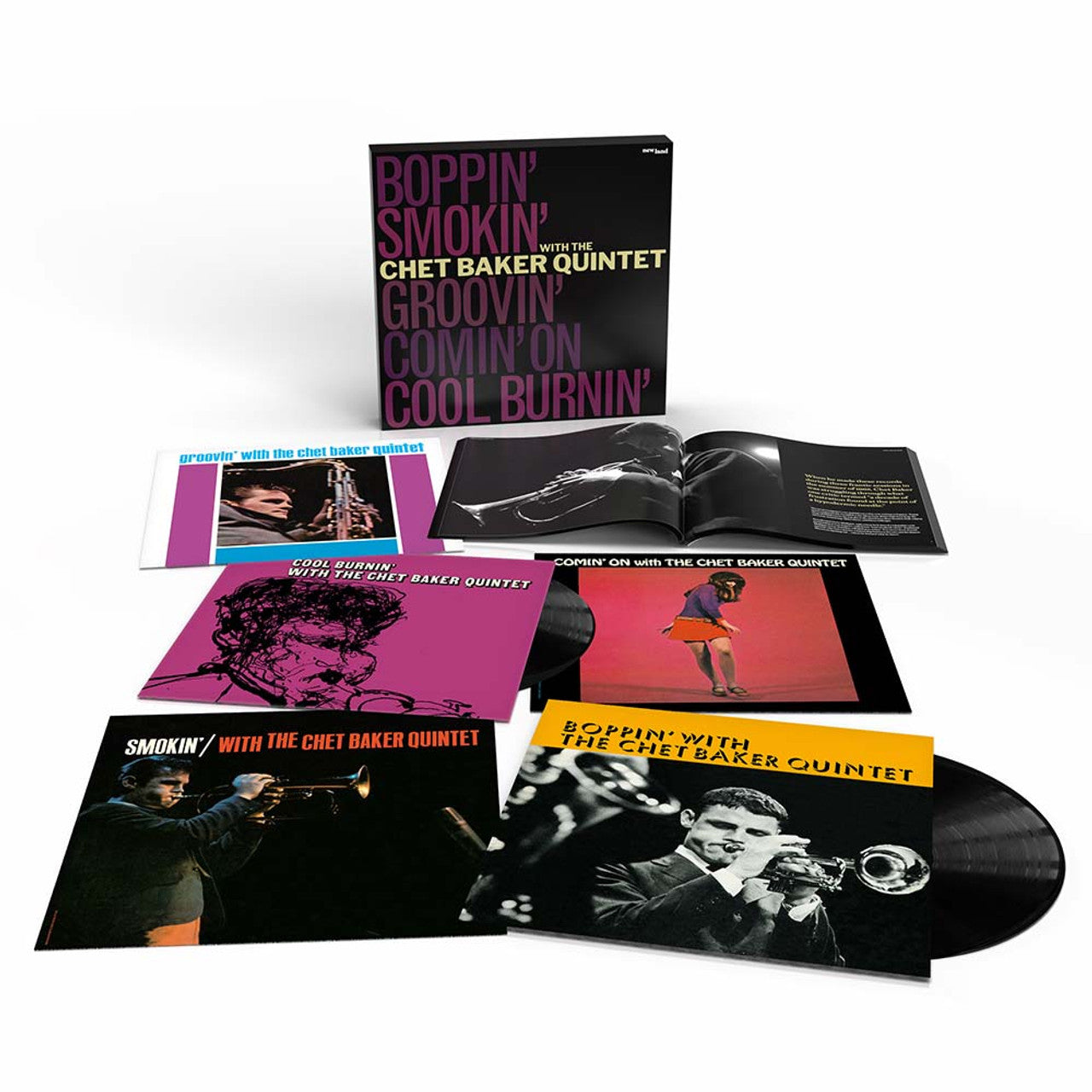
New Land Records — a small UK vinyl label run by James Batsford, formerly of Domino Records — got access to the original analog master tapes and handed them to Kevin Gray.
If you care about vinyl, Kevin Gray is a name that matters. He’s been cutting lacquers since 1972. He runs Cohearent Audio in Southern California, where he’s responsible for the audiophile reissues of an astonishing amount of what you’d want on your shelf — Blue Note Tone Poets, Analogue Productions jazz, the new Chess reissues, on and on. His signal chain is custom-built, all analog, all valve, including transformerless electronics he designed himself in 1979. When a reissue is billed “AAA” — analog recording, analog mixing, analog mastering — Gray is usually the reason.
The Five from ’65 box is AAA. Gray cut these lacquers directly from the original 1965 tapes. For the first time since the records were pressed, you can hear what the tape sounds like — not a digital copy of the tape, not a remix, not a clean-up. The tape.
The box is five 180-gram LPs in reverse-board deluxe jackets with a lift-off lid, plus a book with liner notes from James Gavin (Baker’s biographer), new interviews with the surviving quintet members, and unpublished photographs from the sessions. The pressing is limited. The retail is $199.
It’s the kind of object this room was built to play.

Three Detroit musicians and the man who had just left Miles Davis.
The band Baker walked in with that week was not a Chet Baker band in the usual sense. He hadn’t toured with them. Most of them hadn’t met him until the session. What they had was a particular kind of authority — three Detroit-connected musicians and a tenor player who had just spent two years in the front line of Miles Davis’s second great quintet.
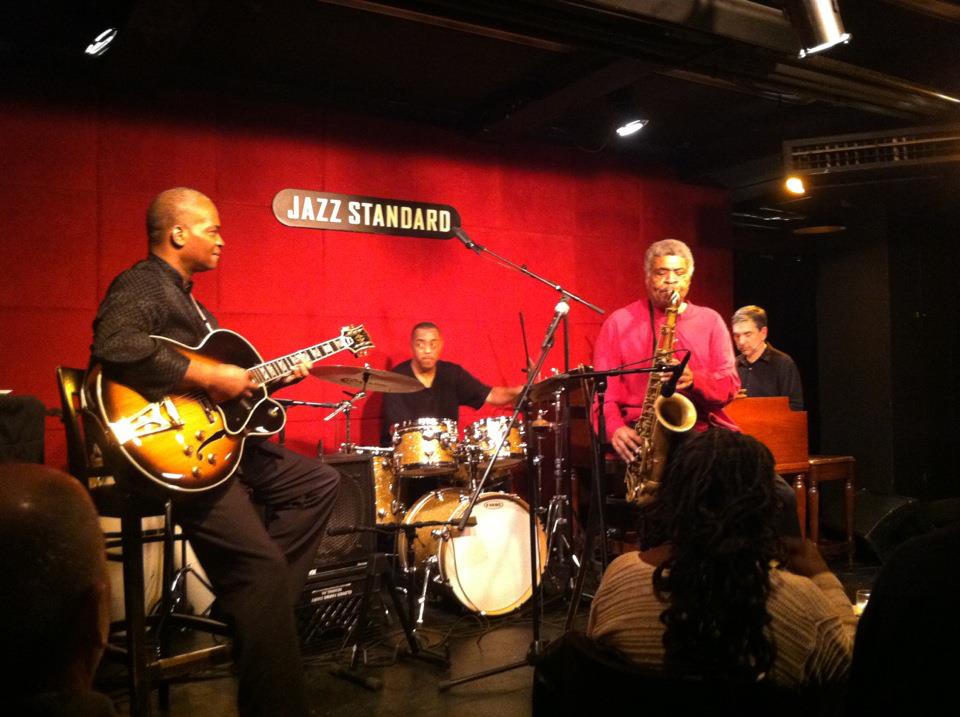
George Coleman, tenor saxophone
George Coleman, on tenor, had recorded Seven Steps to Heaven and the Lincoln Center concerts that became Four & More and My Funny Valentine with Miles. He left the band at the end of 1964 and was, at this moment in 1965, one of the most in-demand saxophonists in New York. Miles himself, not a man known for easy praise, would later say: “George played everything almost perfectly. He was a hell of a musician.”
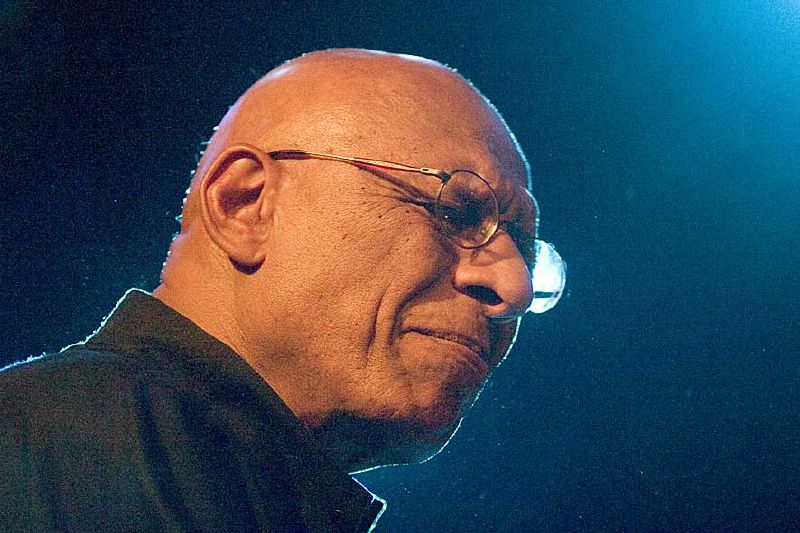
Kirk Lightsey, piano
Kirk Lightsey was a Detroit pianist who had studied with Gladys Wade Dillard — the same teacher who taught Barry Harris and Alice Coltrane. Lightsey is one of those musicians who spent decades as the best-kept secret of every band he joined. He didn’t record his first album as a leader until he was 45, by which point he’d already done his legendary run with Dexter Gordon. He is still playing, still extraordinary, now 88 years old.
Herman Wright, the bassist, was another Detroiter, and he had the kind of resume that tells you everything: Dorothy Ashby, Yusef Lateef, Terry Gibbs, George Shearing. He once subbed for Charles Mingus when Mingus decided to play piano for a night. Roy Brooks, on drums, was also from Detroit, had spent five years in Horace Silver’s quintet, and played on Song for My Father. He invented a drum he called the breath-a-tone, which you could pitch-bend by blowing into a tube. He lived with bipolar disorder and spent stretches of his life institutionalized. When he was well, he was one of the most rhythmically imaginative drummers of his generation.
Put those four musicians behind Baker and you get what the records sound like: unhurried but alert, bebop-grounded but open, a West Coast trumpeter absolutely at home in the harder Eastern rhythm section he’d fallen in with. Baker plays flugelhorn on several tracks, which is rarer in his discography than you’d think and gives the quieter pieces a softness that is, even now, startling.
The five records that don’t fit the story.
There is a canonical story about Chet Baker that goes like this. He was beautiful and he played like an angel in the early fifties. Then heroin took him down. Then he got his teeth kicked out in 1966 and spent the rest of his life making sad, late-night records in European hotel rooms until he fell out of a window in Amsterdam in 1988.
The five records he made in August 1965 don’t fit that story, which is probably why they’ve been out of print for so long. They are not the young cool-jazz Baker of Chet Baker Sings, and they are not the haunted European Baker of She Was Too Good to Me. They are Baker as a working American bebop musician, in the middle of his life, playing with people who are better than he had any right to expect, in a week where he had decided — for whatever reason — to show up.
It is a missing chapter. Five albums long.
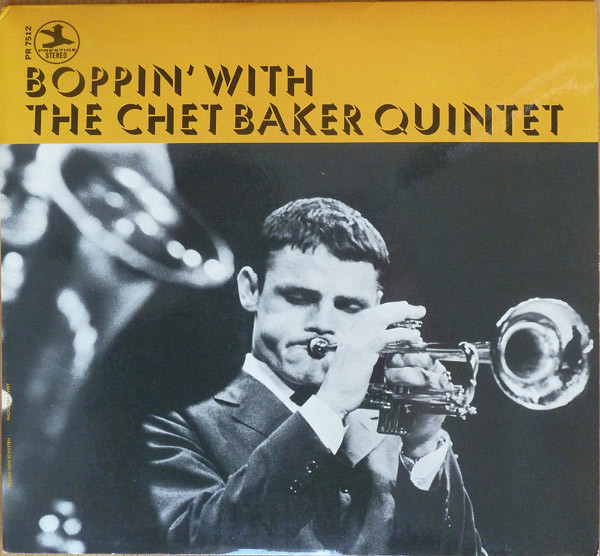
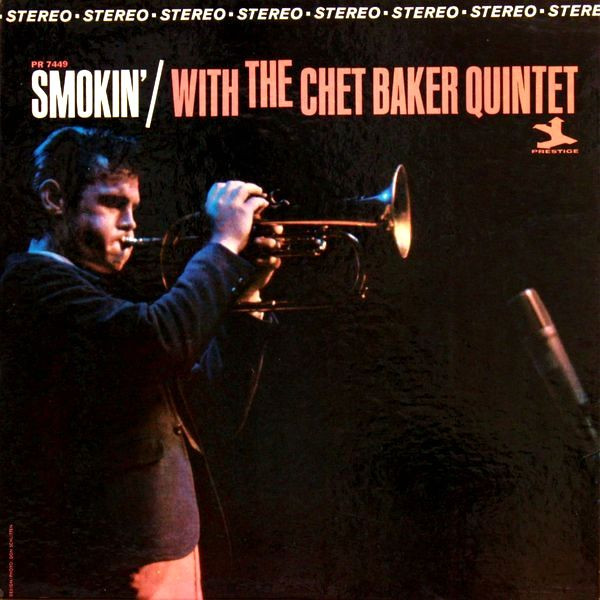
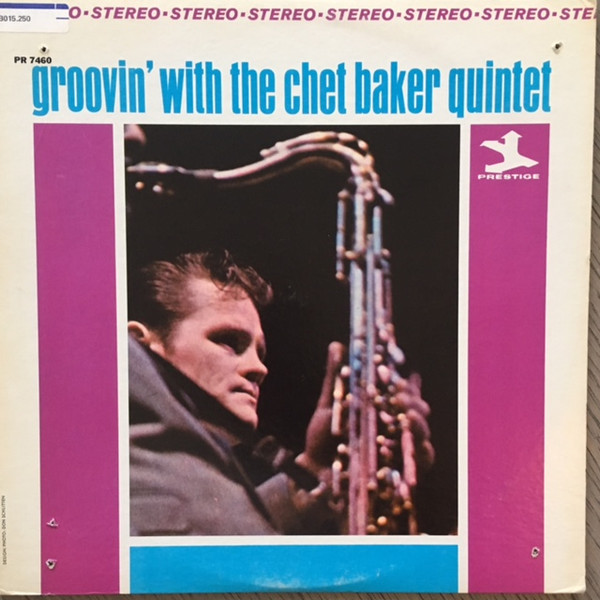

Two nights. The whole box set. Plus the sidemen.
In collaboration with New Land Records, we are spinning the entire box set across two nights at Kissa Kissa: Tuesday, June 23 and Wednesday, June 24, beginning at 5:30 PM. No cover.
Night one, we play all five records in sequence — Boppin’, Smokin’, Groovin’, Comin’ On, Cool Burnin’ — the way they were cut in that single week. Between sides, we reach into the rest of the collection for records featuring the sidemen: George Coleman’s sessions with Miles, Kirk Lightsey on Dexter Gordon’s late-seventies Steeplechase sides, Roy Brooks on Song for My Father. The threads between these musicians run deep, and we’ll pull on them as we go.
Night two is a reprise, in a new sequence, with extended sideman selections and additional New Land and Chet Baker releases from our collection. Different records, different stories. The idea is that if you can only catch one night you get the full arc, and if you come both nights you get more.
For both evenings we’re pouring a signature cocktail called “Five from ’65” — Song Cai floral gin, prosecco, housemade sage lavender syrup, lemon. Floral, bright, and effervescent. A drink as cool and elegant as Baker’s tone on the flugelhorn ballads.
This is what a jazz kissa is for.
Records like the Five from ’65 box set do not reveal themselves through earbuds or background listening. They were mastered, by Kevin Gray, on a system built to surface detail that most playback chains cannot. We built our sound system with the same intention. When you spin an AAA lacquer on a system that can keep up with it, you hear things you have not heard before — the breath in the room at Van Gelder’s, the air around the ride cymbal, the way a flugelhorn softens at the edges of a held note.
You hear Baker in August of 1965, in a room full of musicians he’d just met, playing like he has something to prove.
Come listen. And if you’re new to what a jazz kissa is, read up before you come — or better, just come.
Tuesday, June 23 + Wednesday, June 24
667 Franklin Avenue · Crown Heights, Brooklyn
No cover. No reservations required but always encouraged.