LISTEN TO THE EPISODE
Prestige Records in 1964 was an organ-combo factory — session after session at Rudy Van Gelder’s studio, most following the same template. Don Patterson’s Hip Cake Walk came out of that same room, same label, same year. What separates it is the tenorman. Booker Ervin was in the middle of his own classic Prestige run — the Book series — and he brought that same muscular, wide-vibrato intensity to Patterson’s date. The combination turned a solid organ session into something with real teeth.
In this episode of Deep in the Stacks, we dig into a sixteen-minute title track, Patterson’s swinging take on the Drifters’ “Under the Boardwalk,” and the story of an organist who taught himself Hammond B-3 after hearing Jimmy Smith play a Columbus, Ohio club in 1956.
THE RECORD

ABOUT THE ARTIST
Don Patterson
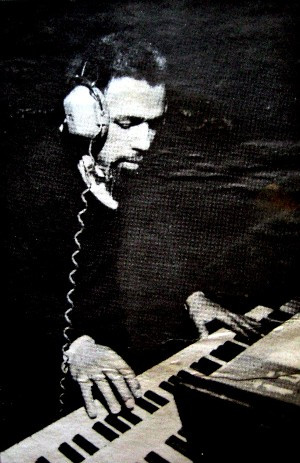
Don Patterson (1936–1988) heard Jimmy Smith play a Columbus, Ohio club in 1956 and switched from piano to Hammond B-3 on the spot. Within two years he was gigging in the same building — playing the downstairs bar at the Regal while Smith headlined upstairs in the Bum Bum Room. By the early 1960s, Patterson had become one of the most combustible organists on the circuit, his lean, bop-rooted lines cutting through the soul-jazz pack. Saxophonist Sonny Stitt took him on as his regular organist, and that partnership helped open the door to Prestige Records, where Patterson would record prolifically throughout the mid-decade — sessions like Hip Cake Walk, Patterson’s People, and Satisfaction!, often with guitarist Pat Martino and drummer Billy James.
On Hip Cake Walk, it was tenor saxophonist Booker Ervin who provided the spark. Ervin was deep into his own classic Prestige run — the Book series, including The Freedom Book and The Song Book — and he brought that same muscular, wide-vibrato intensity to Patterson’s date. The result is one of the sharpest organ-tenor pairings Prestige ever issued.
Patterson settled in Gary, Indiana, toward the end of the 1960s, and only sporadic sessions for Muse appeared during the 1970s. He revived his career after moving to Philadelphia, but declining health forced him to take dialysis frequently. He died on February 10, 1988, at fifty-one. Explore more episodes.
SESSION DETAILS
Recorded
May 12 & July 10, 1964
Studio
Van Gelder Recording Studio
Englewood Cliffs, NJ
Producer
Bob Weinstock
Engineer
Rudy Van Gelder
Personnel
Booker Ervin — tenor saxophone
Leonard Houston — alto saxophone (Hip Cake Walk)
Billy James — drums
WHY THIS ALBUM MATTERS
Hip Cake Walk matters because it expanded the geography of the soul-jazz organ tradition outside its New York and Philadelphia hubs. Don Patterson came up in Pittsburgh, where the local jazz scene had its own deep tradition (Erroll Garner, Stanley Turrentine, Ray Brown, Art Blakey — all from there), and his playing has a conversational, less aggressive Hammond style than the East Coast players. Booker Ervin's appearance is the wildcard — Ervin's Texas tenor was an unusual fit for an organ trio, and the contrast generates the album's heat. Patterson made a string of underrated Prestige records in this period; Hip Cake Walk is the most consistent and the easiest entry point.

Side 1

Side 2
Prestige PRLP 7349 · Original mono pressing
New episodes every weekday.
Listen to Deep in the Stacks wherever you get your podcasts, or visit us at Kissa Kissa in Crown Heights.