Long before Brooklyn became synonymous with craft cocktails and listening bars, it was one of the most important jazz neighborhoods in America. The borough’s connection to jazz runs deep — through the brownstones of Bed-Stuy where musicians lived and rehearsed, through the clubs that once lined Fulton Street, and through the cultural institutions that kept the music alive even when the national spotlight moved elsewhere. Understanding Brooklyn’s jazz heritage is not just history. It is context for everything happening in Crown Heights today.
Where Jazz Musicians Lived
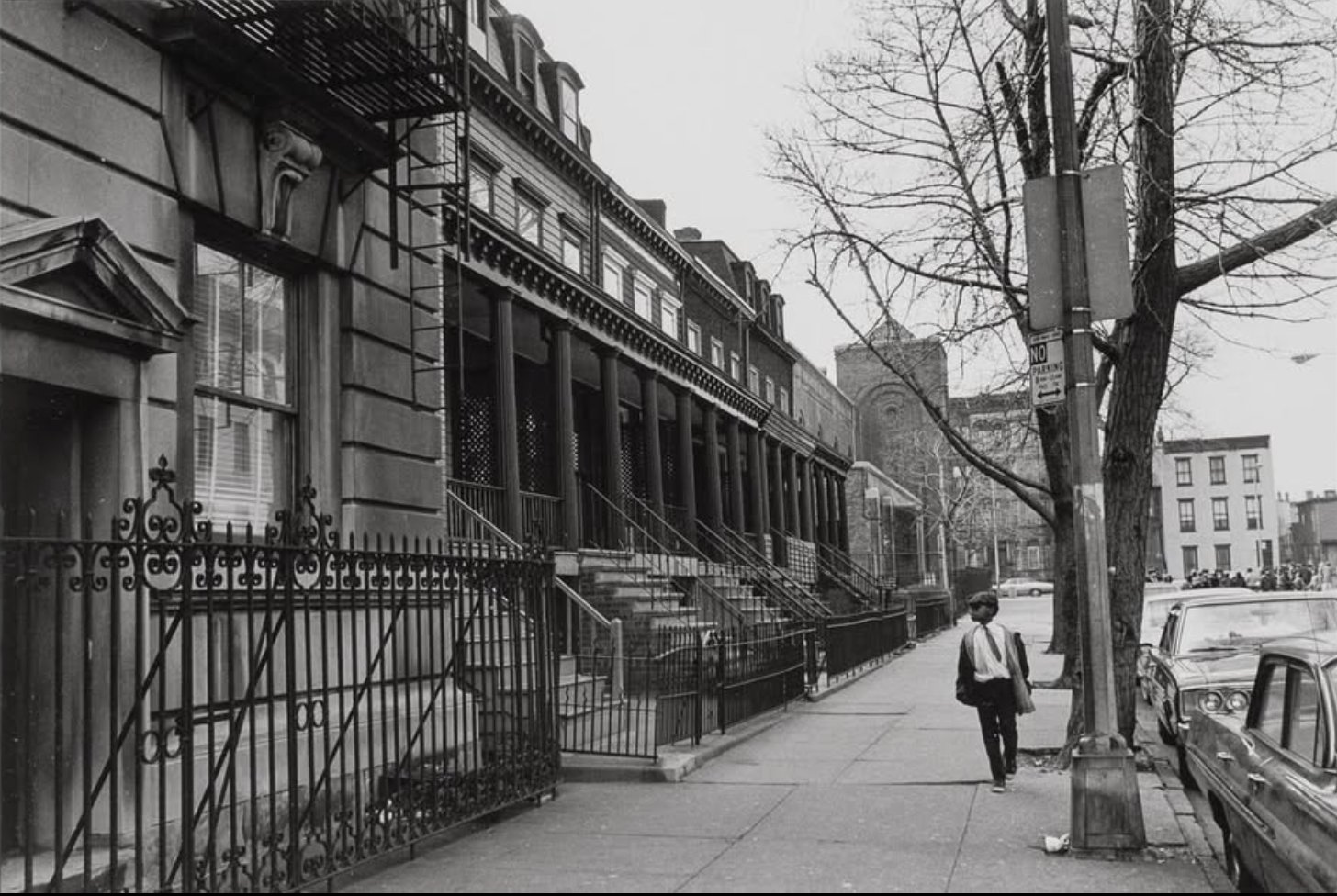
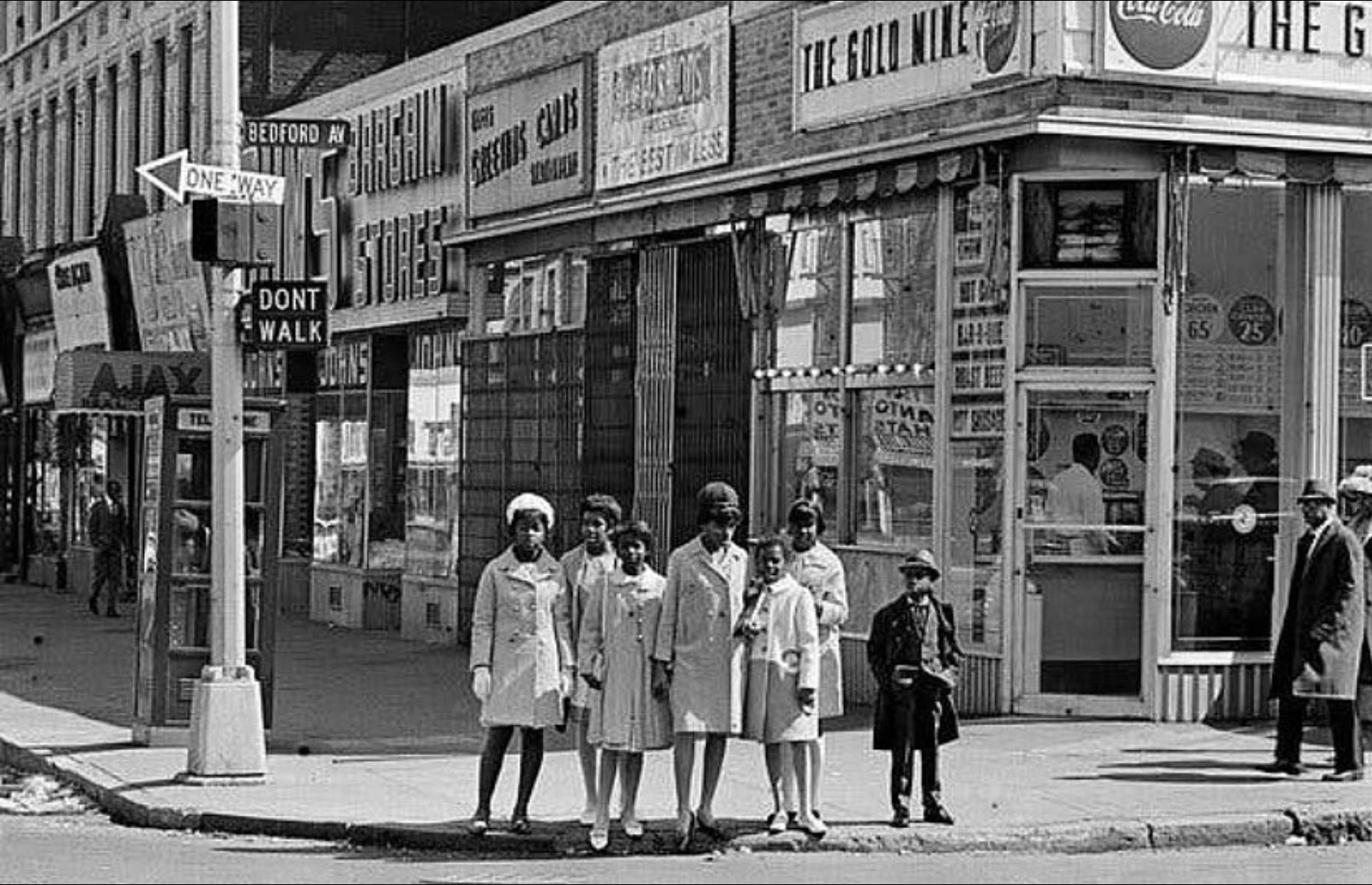
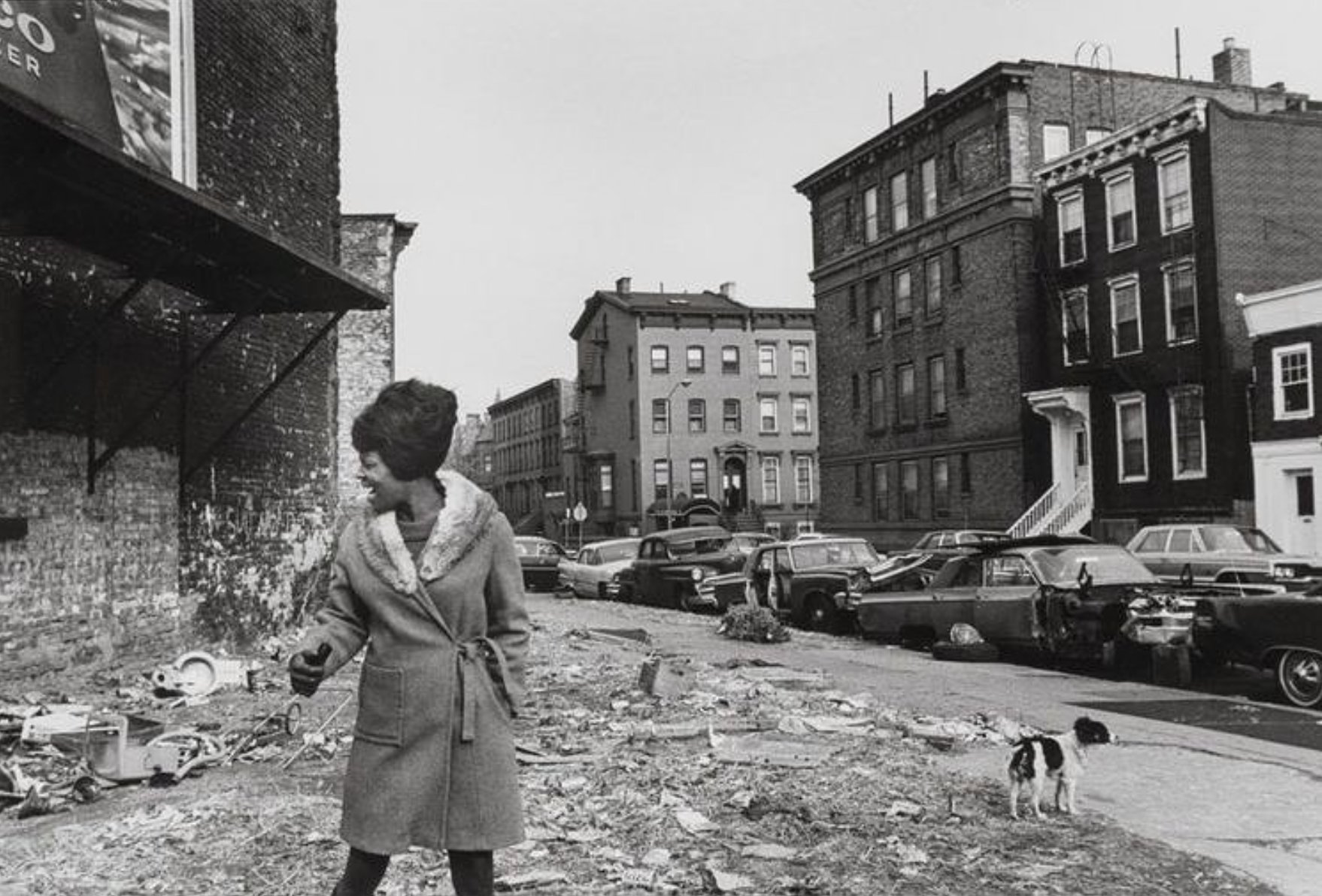
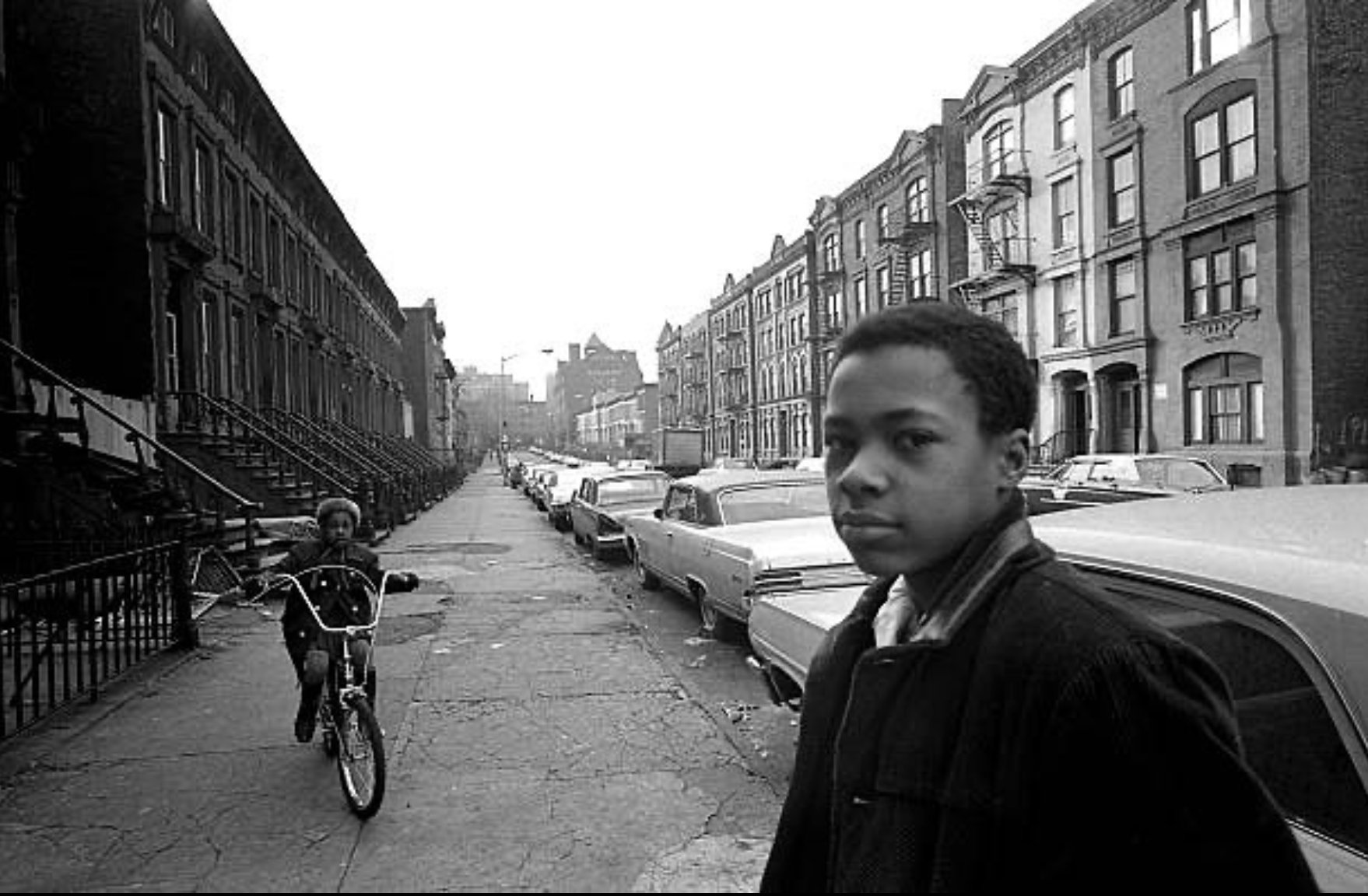
In the 1940s, ’50s, and ’60s, Bedford-Stuyvesant and the surrounding neighborhoods were home to an extraordinary concentration of jazz talent. Musicians chose Brooklyn for many of the same reasons anyone else did during the era — it was more affordable than Manhattan, the brownstones had room for families and practice, and there was a thriving Black community that valued and supported the arts.
Max Roach lived in Bed-Stuy. So did Randy Weston, the pianist whose work bridged jazz and African musical traditions. Freddie Hubbard, Cecil Taylor, and Betty Carter all called Brooklyn home at various points. These were not just musicians who happened to live in the borough — they were embedded in its community, playing at local venues, mentoring younger artists, and shaping a neighborhood culture where jazz was part of daily life.
Perhaps no single address captures this creative density better than 245 Carlton Avenue in Fort Greene. Owned by trombonist Slide Hampton from the late 1950s through the ’70s, the brownstone served as a communal home and rehearsal space for some of jazz’s most visionary artists. Eric Dolphy, Freddie Hubbard, and Wes Montgomery all lived and created under the same roof. Hampton hosted legendary late-night jam sessions in the basement, drawing musicians from across the city. Dolphy was so moved by the place that he named a composition after it — “245,” which appeared on his landmark 1960 debut album Outward Bound. As Hampton later recalled, “It was a house full of musical inspiration. We were all composing music in some way.”
Eric Dolphy & Outward Bound
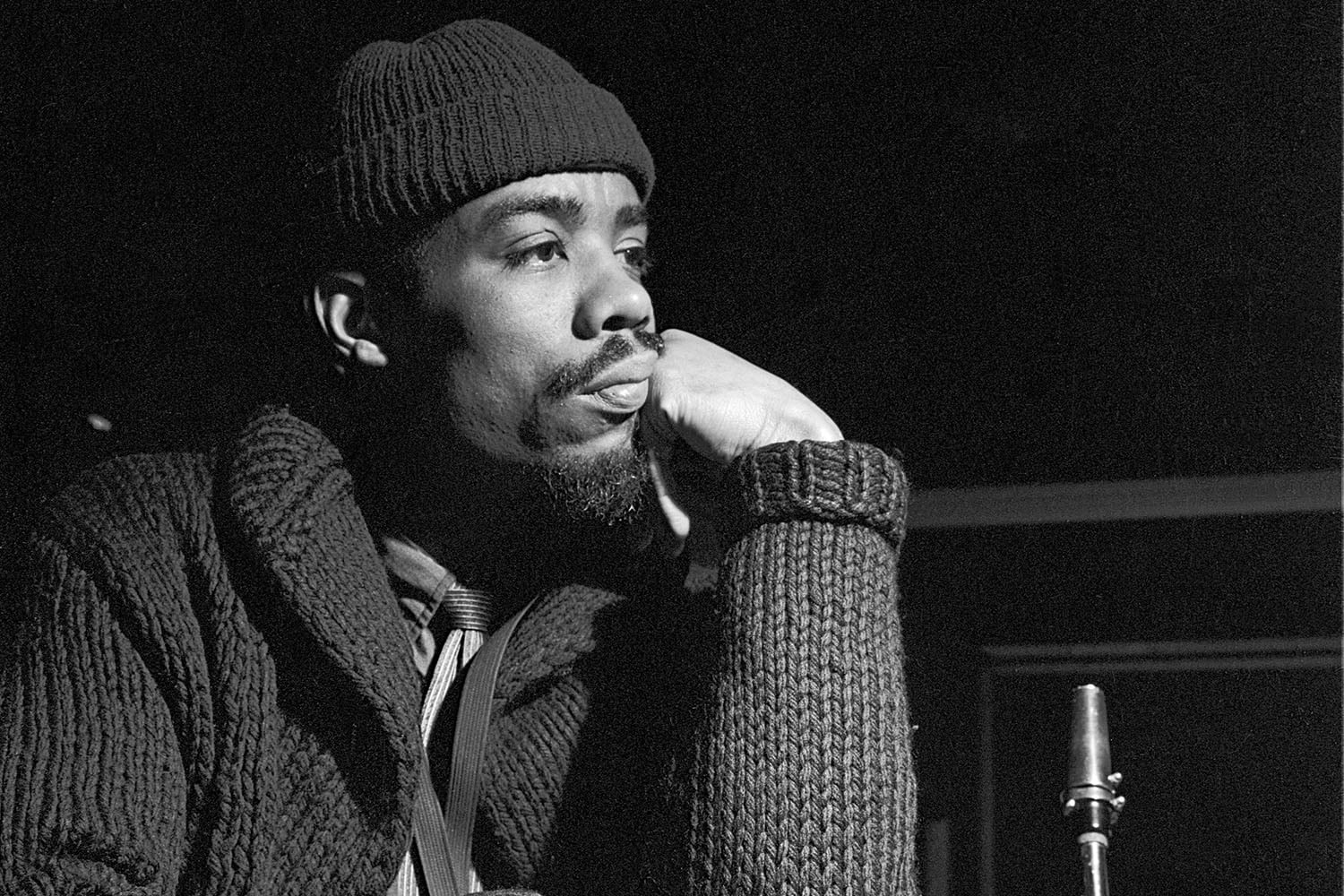
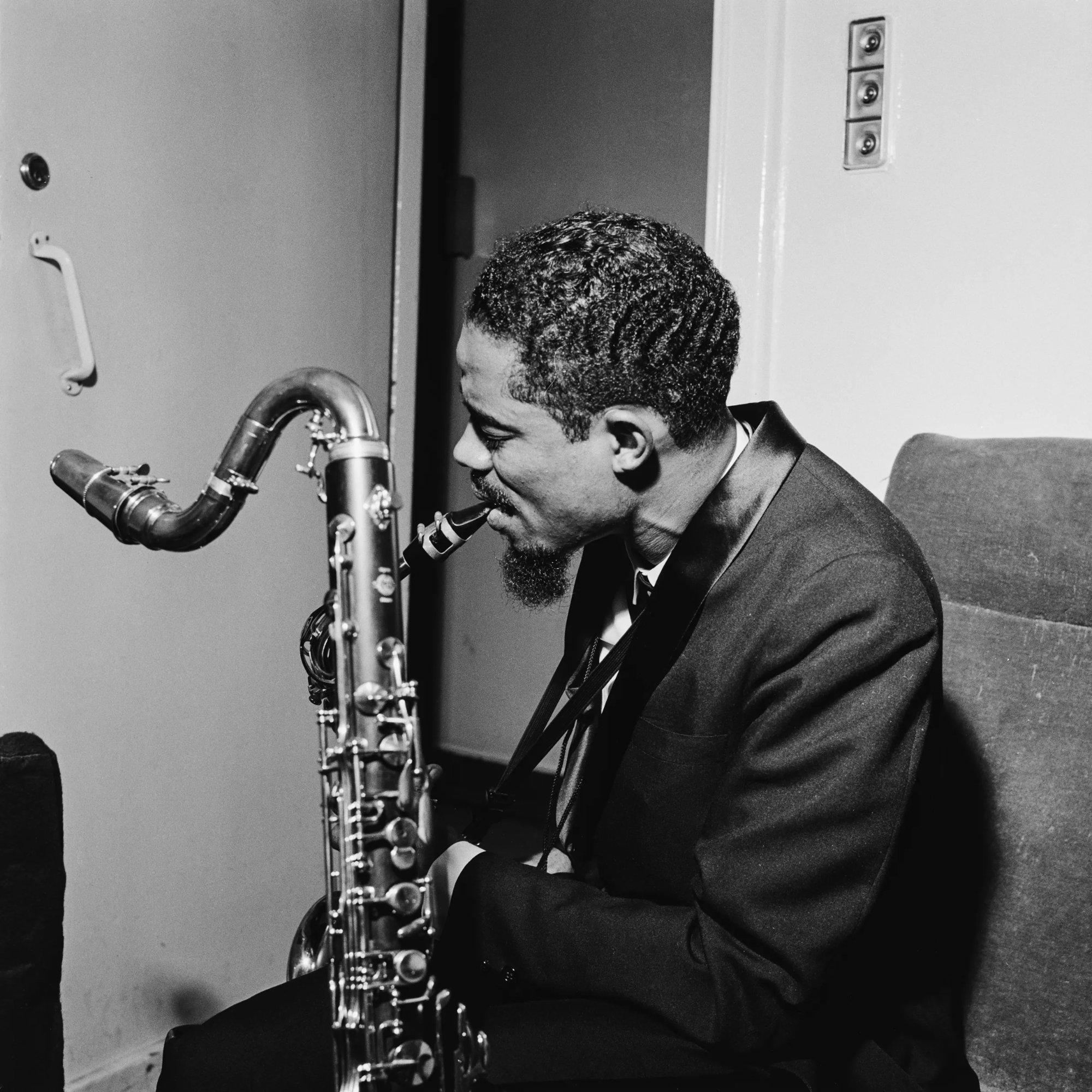
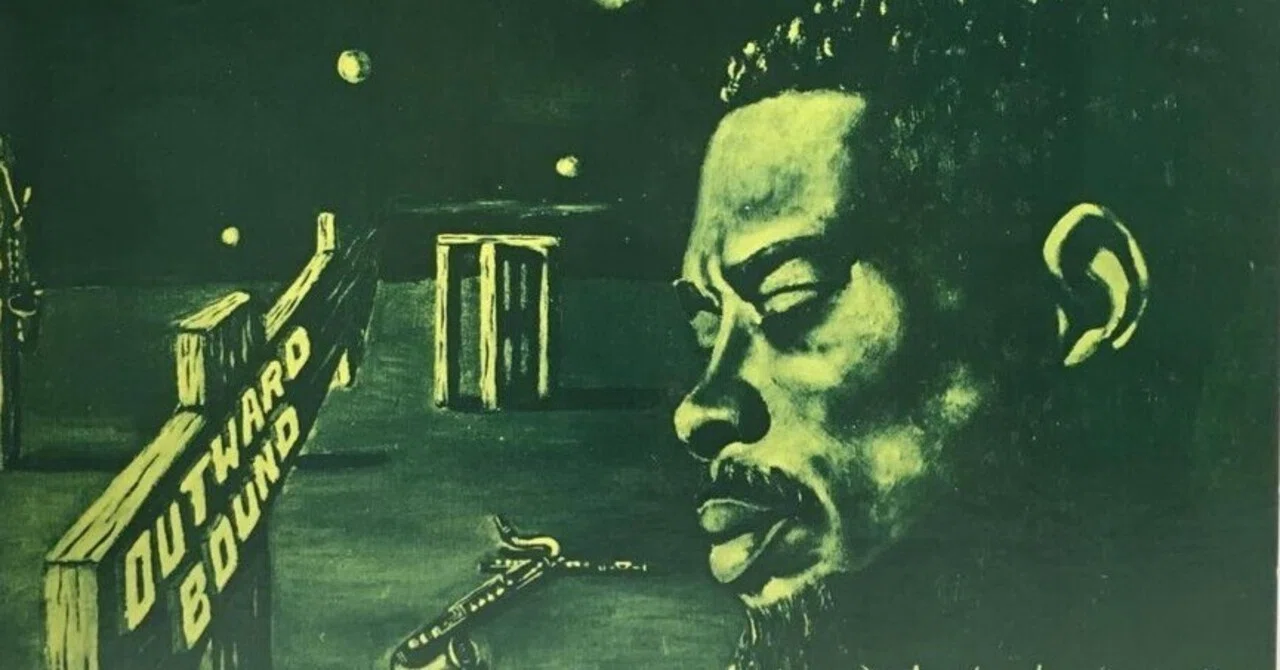
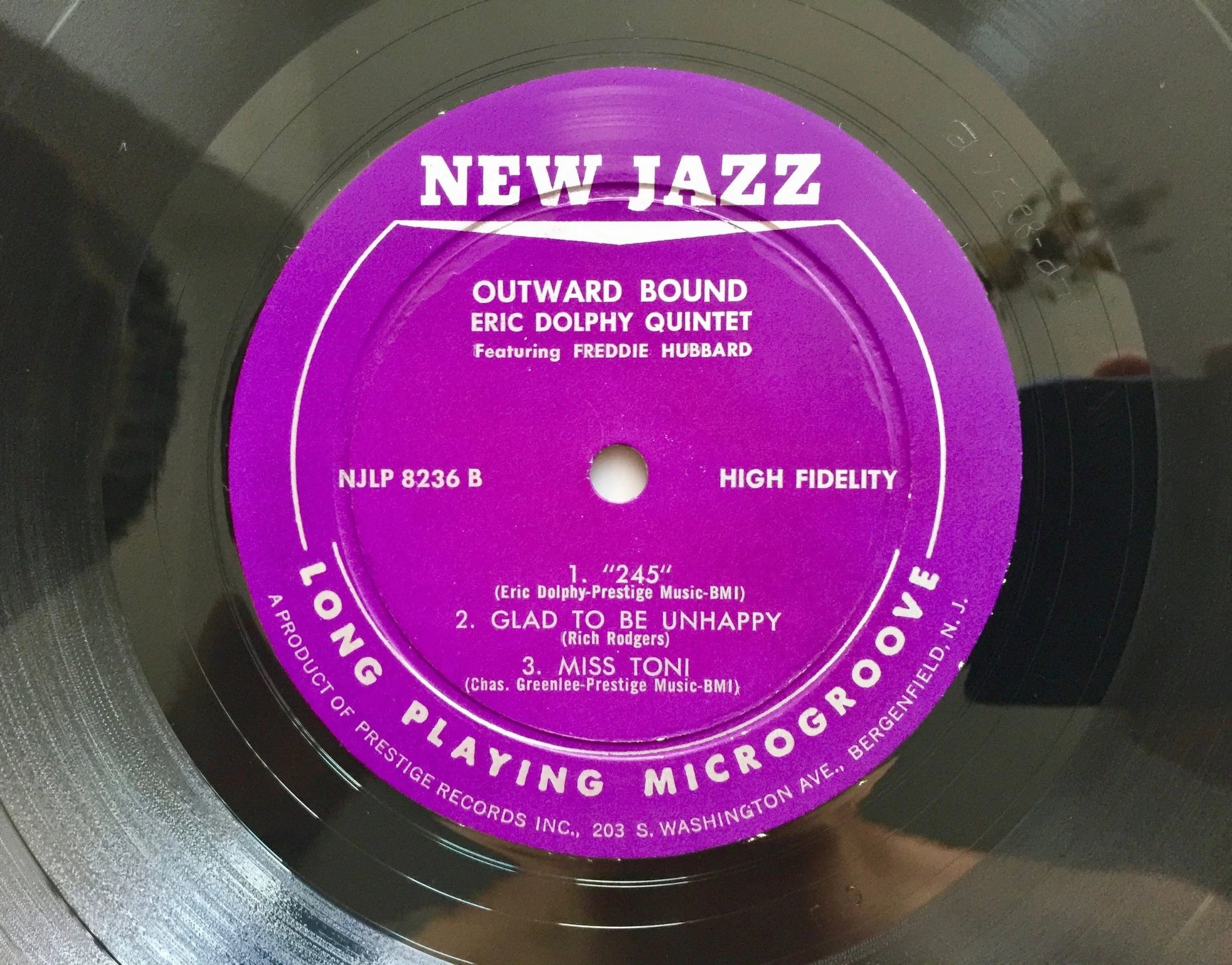
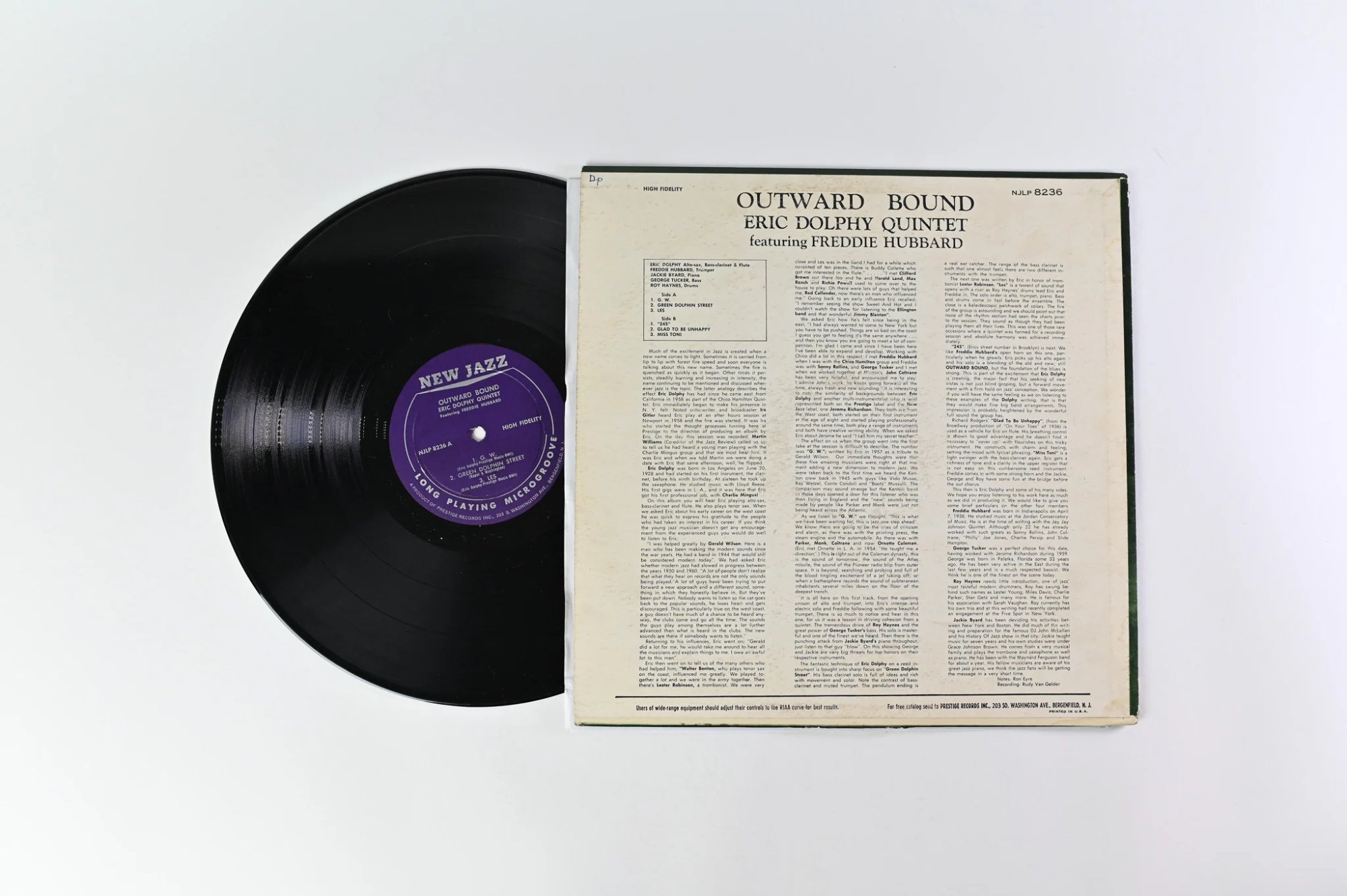
Eric Dolphy and his debut album Outward Bound (1960), featuring the composition “245” — named after his address at 245 Carlton Avenue in Fort Greene, Brooklyn.
The Clubs and the Culture
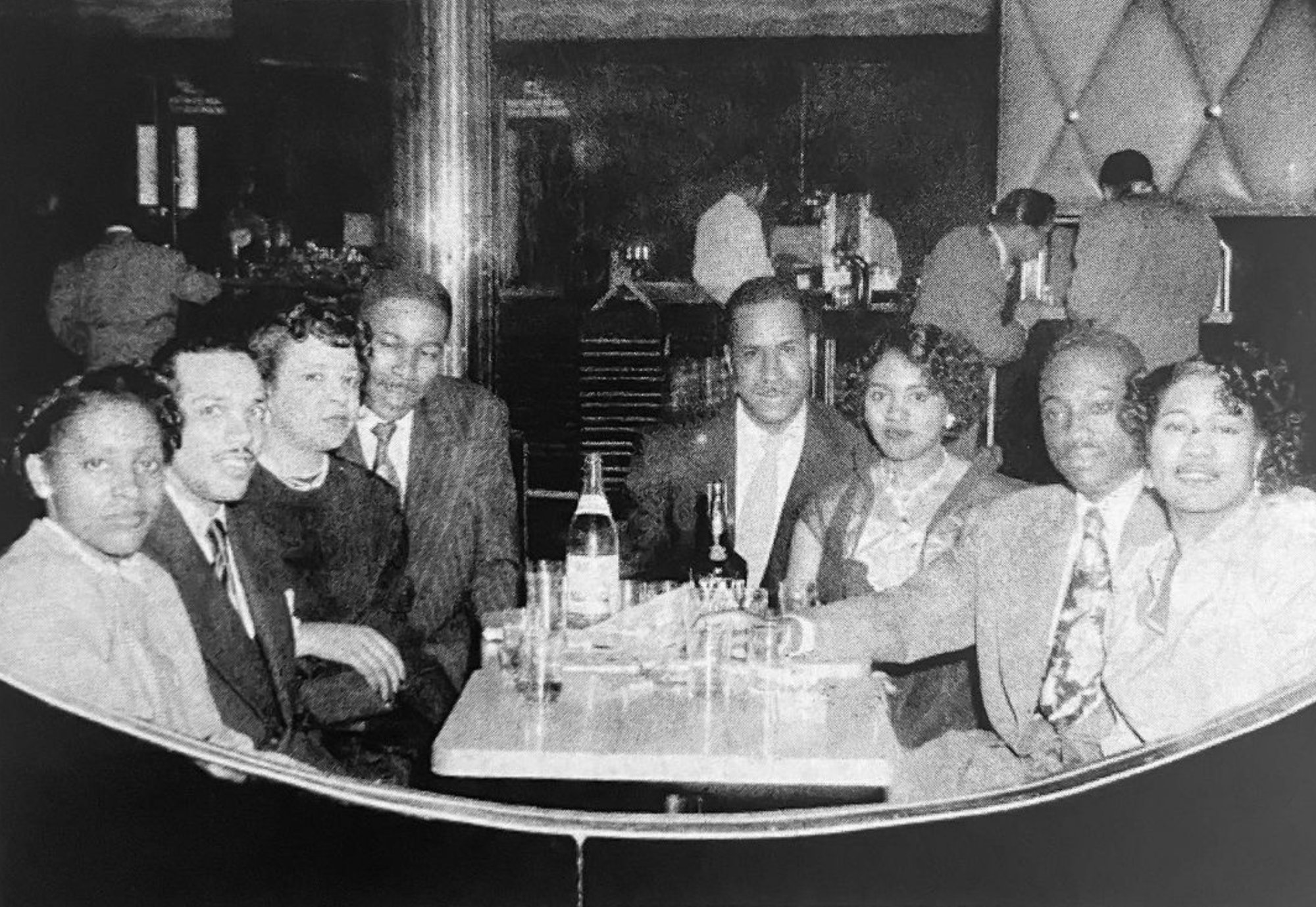
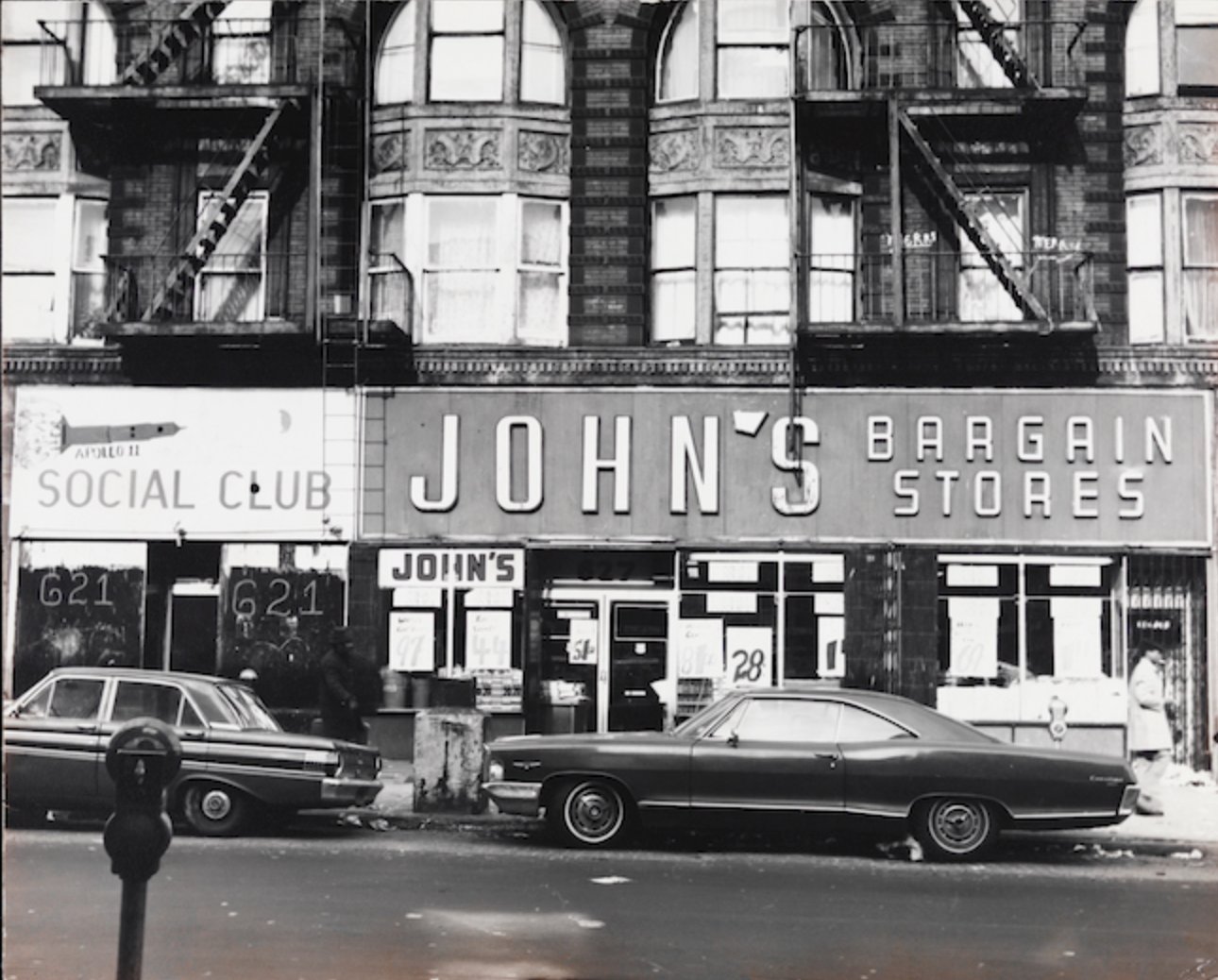
Brooklyn’s jazz clubs in this era rarely received the attention lavished on Manhattan’s famous venues — the Village Vanguard, Birdland, the Blue Note. But the borough had its own vibrant scene. Clubs along Fulton Street, Nostrand Avenue, and Atlantic Avenue hosted both established names and rising talent. These were neighborhood joints where the music was live, the crowds were local, and the atmosphere was electric.
The Baby Grand on Fulton Street was a particularly important venue, drawing top-tier talent to a room that felt like a community living room. Other spots — many of them now lost to time and redevelopment — served as incubators for a sound that was distinctly Brooklyn: rooted in tradition but restless, experimental, and unafraid of the avant-garde.
— Jimmy Morton, Brooklyn jazz MC and historian
‹
›
The Cultural Continuum
Crown Heights has its own place in this story. The neighborhood’s Caribbean and African American communities brought musical traditions that intersected with jazz in fascinating ways — calypso rhythms meeting bebop phrasing, reggae bass lines finding common ground with the deep groove of hard bop. The neighborhood’s cultural institutions, churches, and community spaces kept live music central to public life.
Franklin Avenue — the street where Kissa Kissa now sits — has been a cultural corridor for decades. The neighborhood has changed enormously, but the thread connecting its past to its present is thinner than you might think. When a needle drops on a 1960s pressing of a Freddie Hubbard album at Kissa Kissa, it is playing music made by someone who lived a few subway stops away, in a borough that shaped his sound.
As we explore on our Two Traditions page, the parallel stories of Brooklyn jazz and Japanese jazz kissa culture share a remarkable common thread — communal listening as a form of connection.
The Vinyl Connection
There is a reason Brooklyn has become the epicenter of America’s listening bar movement. The borough’s musical DNA is written into its streets, and the current generation of bar owners, DJs, and curators are drawing on a legacy that goes back nearly a century.
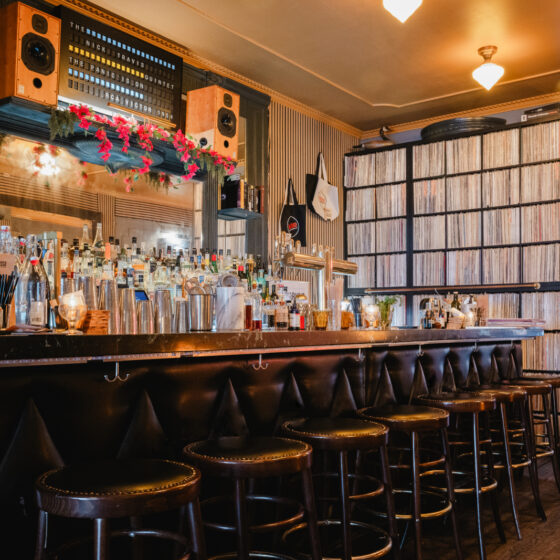
At Kissa Kissa, we think about this connection every night. Our collection of original oil paintings by co-founder Nina Barry depicts jazz legends — several of whom had deep Brooklyn roots. Our library of more than 5,000 jazz LPs from the 1950s, ’60s, and ’70s is not just a library of great music — it is an archive of a period when many of the artists on those records were Brooklyn residents, playing Brooklyn clubs, and making music that reflected the energy and complexity of this borough.
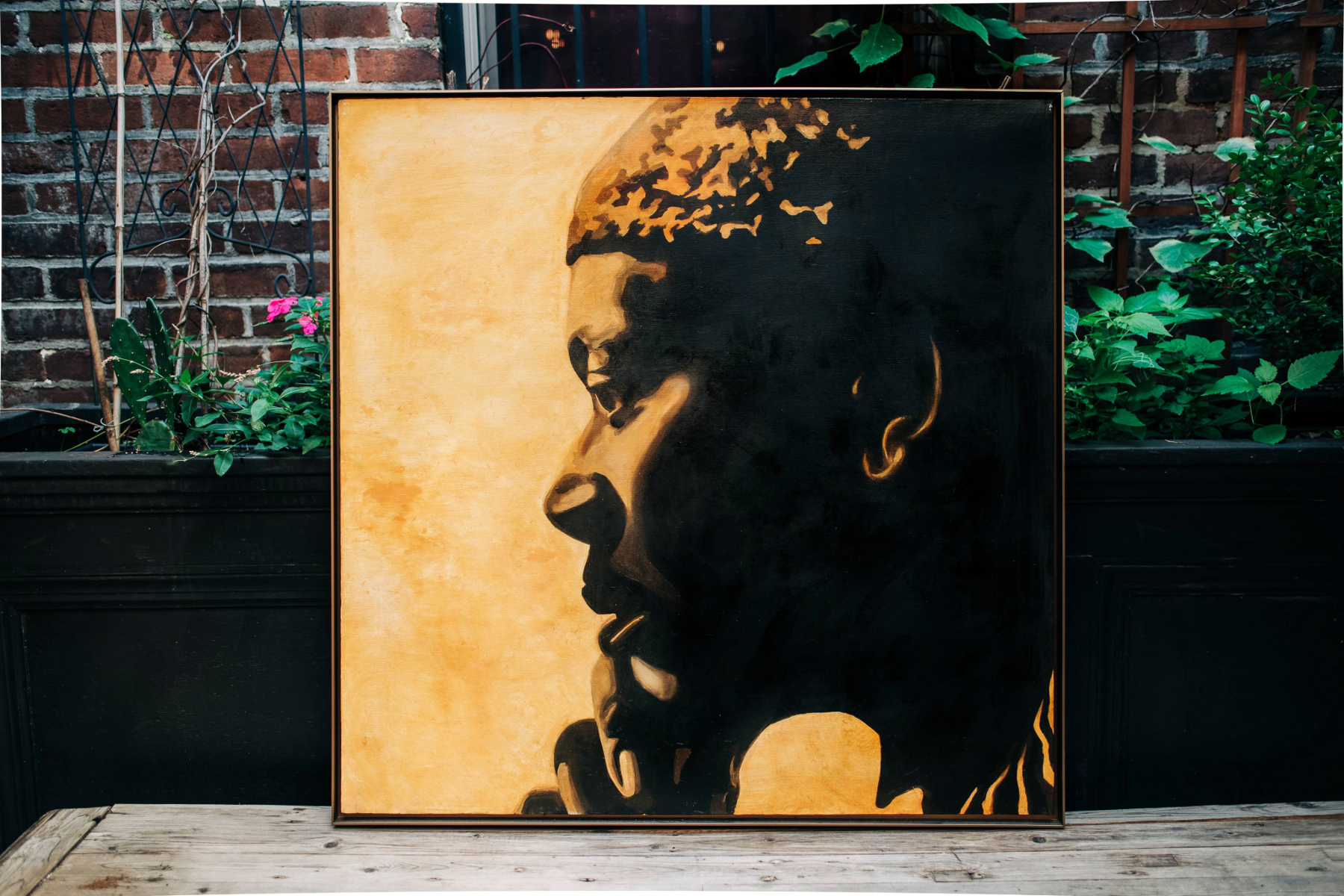 Nina Barry’s portrait of Randy Weston — a Brooklyn-born pianist whose work bridged jazz and African musical traditions. One of six original oil paintings at Kissa Kissa.
Brooklyn and jazz did not just coexist. They shaped each other. And in Crown Heights, on Franklin Avenue, that conversation is still going.
Hear Brooklyn’s Jazz Legacy on Vinyl
667 Franklin Avenue · Crown Heights, Brooklyn
Open seven nights a week